What Makes an Eco-Friendly Pest Control Method Cost-Effective
Not all environmentally conscious solutions provide the same level of performance. The most effective options combine sustainability with long-term reliability, reducing the need for repeated intervention.
- Targeted application. Treatments focus on specific pests rather than broad exposure
- Reduced frequency. Longer-lasting solutions minimize repeat services
- Preventative impact. Addressing root causes lowers future infestation risk
- Safe integration. Methods work without disrupting daily environments
- Consistent results. Reliable performance avoids additional corrective treatments
These qualities define cost-effectiveness in pest control. A solution that requires constant reapplication or fails to address underlying issues often becomes more expensive over time.
Understanding how environmental approaches influence outcomes is essential. In our recent article on eco impact insights, the relationship between sustainability and performance is explored further.
Biological and Natural Treatment Approaches
Eco-friendly pest control often includes biological and naturally derived solutions that work with existing ecosystems rather than against them. These methods are designed to control pest populations while minimizing disruption.
- Beneficial organisms. Introducing natural predators to reduce pest populations
- Botanical treatments. Plant-based solutions that target specific pests
- Growth regulators. Disrupting pest development cycles without widespread impact
- Microbial solutions. Using naturally occurring agents to control infestations
- Habitat balancing. Encouraging conditions that limit pest survival
These approaches are effective when applied strategically. They focus on long-term balance rather than immediate elimination, making them a valuable part of a comprehensive pest control plan.
However, their success depends on proper identification and application. Without expertise, results may be inconsistent or incomplete.
Preventative Strategies That Reduce Long-Term Costs
Prevention is one of the most cost-effective aspects of eco-friendly pest control. By addressing the conditions that attract pests, property owners can significantly reduce the likelihood of infestations.
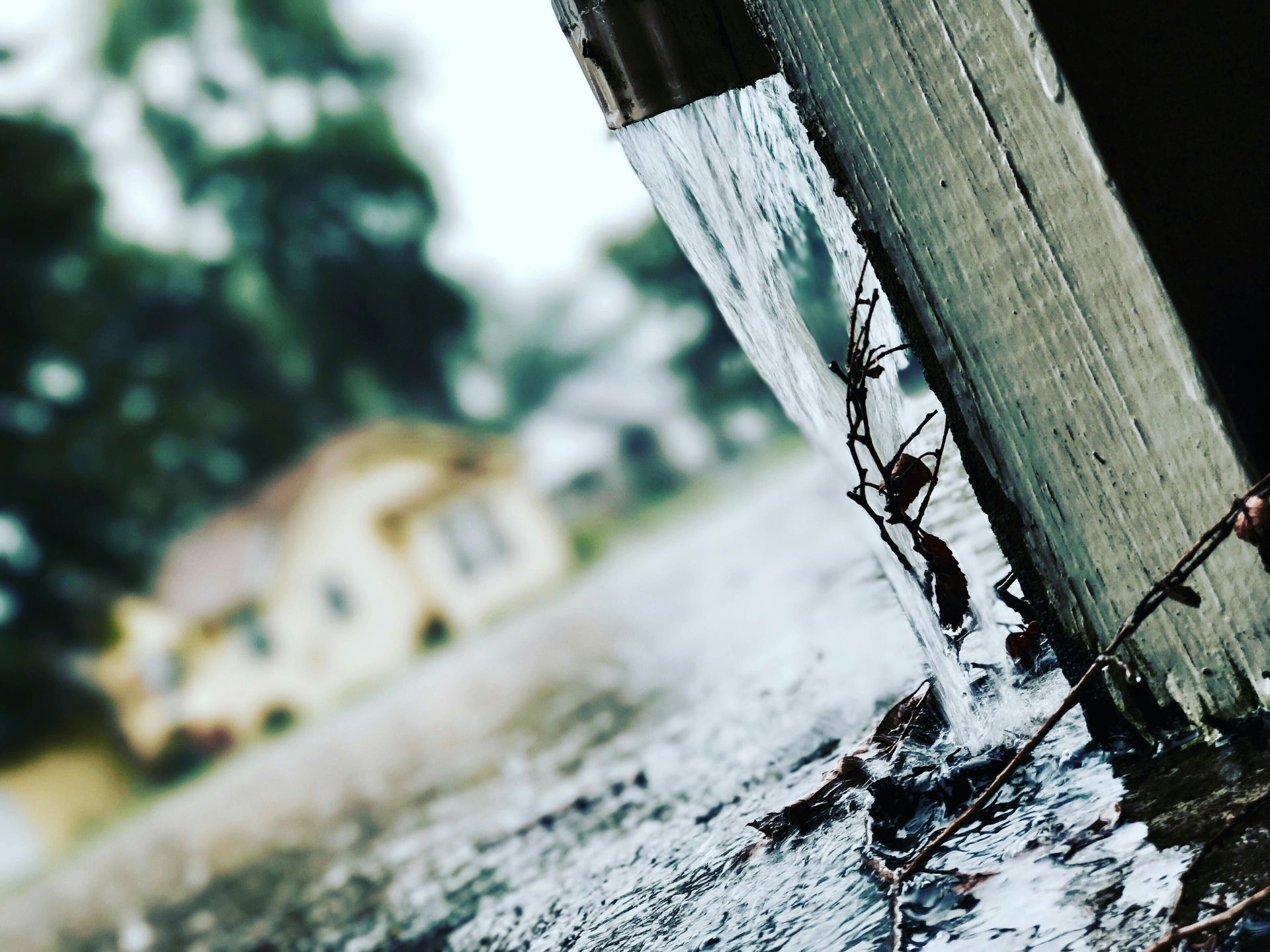
- Moisture control. Eliminating excess water sources that support pest activity
- Structural sealing. Closing gaps and entry points to prevent access
- Sanitation improvements. Reducing food sources that attract pests
- Landscaping adjustments. Managing vegetation to limit shelter opportunities
- Seasonal planning. Adapting strategies based on environmental changes
These measures create an environment that is less hospitable to pests. While they may require initial effort, they reduce the need for reactive treatments over time.
Seasonal adaptation plays a key role in prevention. In our blog post on seasonal pest planning, the importance of adjusting strategies throughout the year is discussed in more detail.
Why Eco-Friendly Methods Require a Strategic Approach
Eco-friendly pest control is not a one-size-fits-all solution. Its effectiveness depends on how well the chosen methods align with the specific pest, environment, and level of activity.
- Species identification. Different pests require different treatment methods
- Environmental assessment. Conditions must support the chosen approach
- Timing considerations. Treatments must be applied at the right stage of the pest lifecycle
- Integration of methods. Combining techniques for stronger results
- Monitoring and adjustment. Ongoing evaluation ensures continued effectiveness
These factors highlight the importance of a structured plan. Eco-friendly solutions are most effective when they are part of a coordinated strategy rather than isolated actions.
Without this level of planning, even sustainable methods may fall short. Proper implementation ensures that results are both effective and cost-efficient.
The Role of Professional Expertise in Eco-Friendly Pest Control
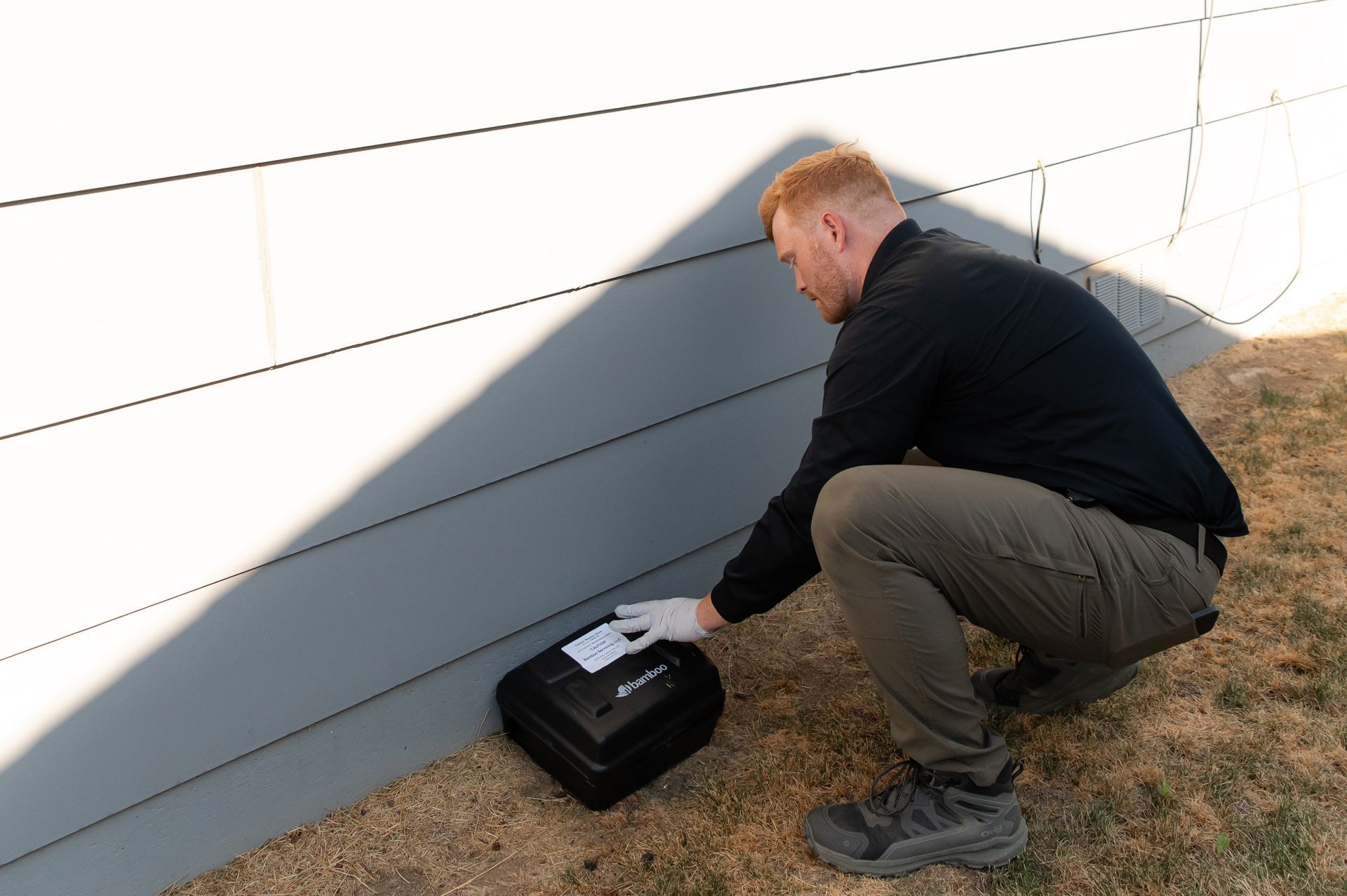
Professional pest control services play a critical role in maximizing the value of eco-friendly methods. Their expertise ensures that treatments are selected and applied based on accurate assessments rather than assumptions.
The process begins with a detailed evaluation of the property. This includes identifying the type of pest, understanding environmental conditions, and determining the most appropriate approach. Based on this information, a tailored plan is developed to address both immediate concerns and long-term prevention.
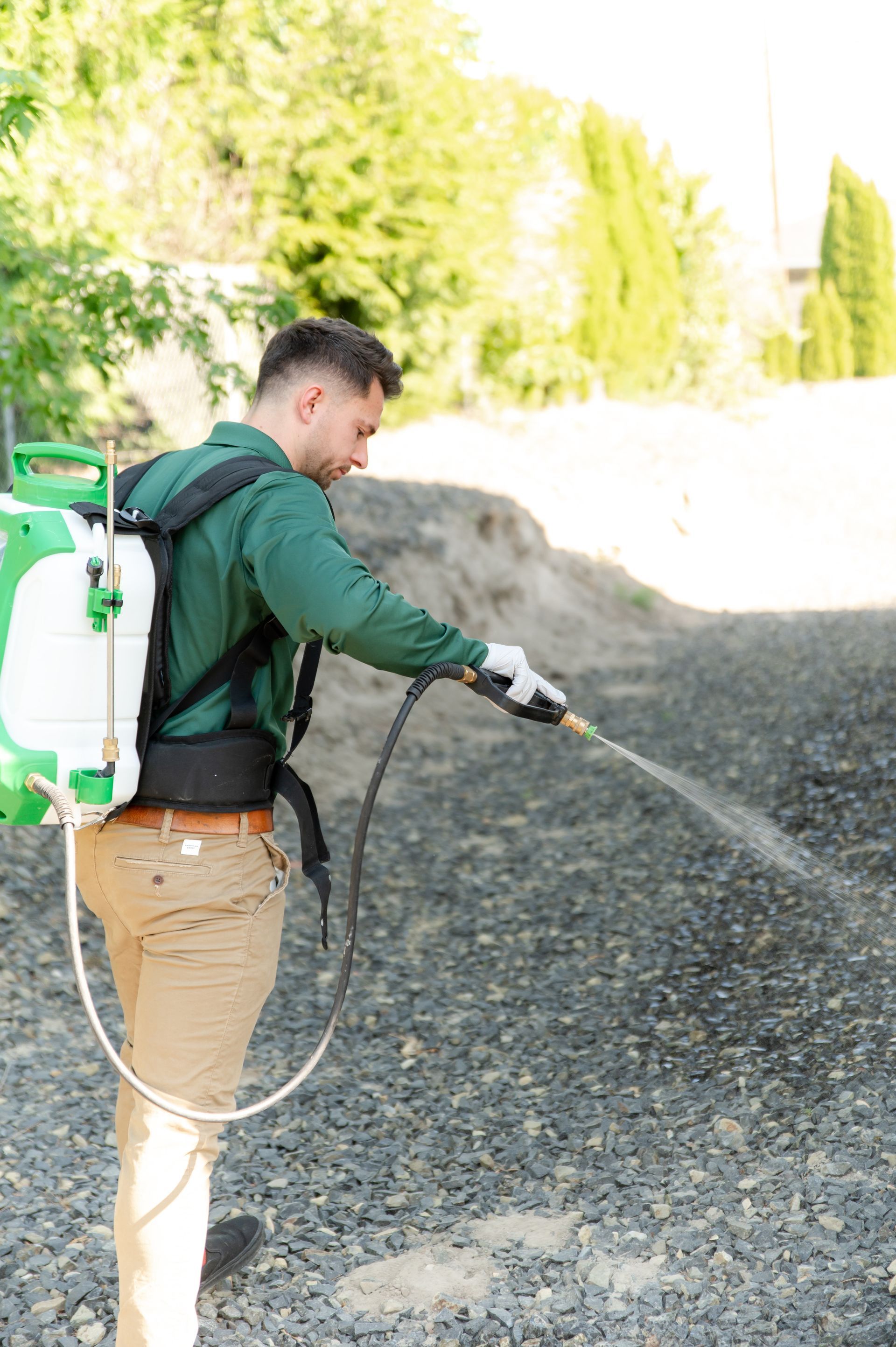
Professionals also have access to advanced tools and formulations that enhance the effectiveness of eco-friendly treatments. These solutions are applied with precision, ensuring that they target pests without unnecessary exposure.
Another key advantage is consistency. Regular monitoring allows for adjustments as conditions change, maintaining control over time. This ongoing support is essential for preventing recurrence and ensuring that the chosen methods continue to perform effectively.
Without this level of expertise, eco-friendly pest control may require more frequent intervention, increasing overall costs. Professional involvement ensures that solutions remain efficient, targeted, and aligned with long-term goals.
Where Smart Solutions Lead to Lasting Control
Eco-friendly pest control is most cost-effective when it is guided by strategy, precision, and long-term planning. The right approach not only reduces environmental impact but also delivers consistent and reliable results.
For expert guidance and sustainable pest control solutions, contact Bamboo Pest Control and take the next step toward a more efficient and balanced approach.