Start With The Pest, Not The Product
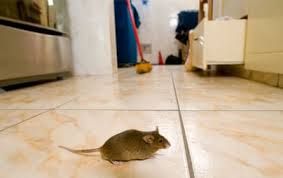
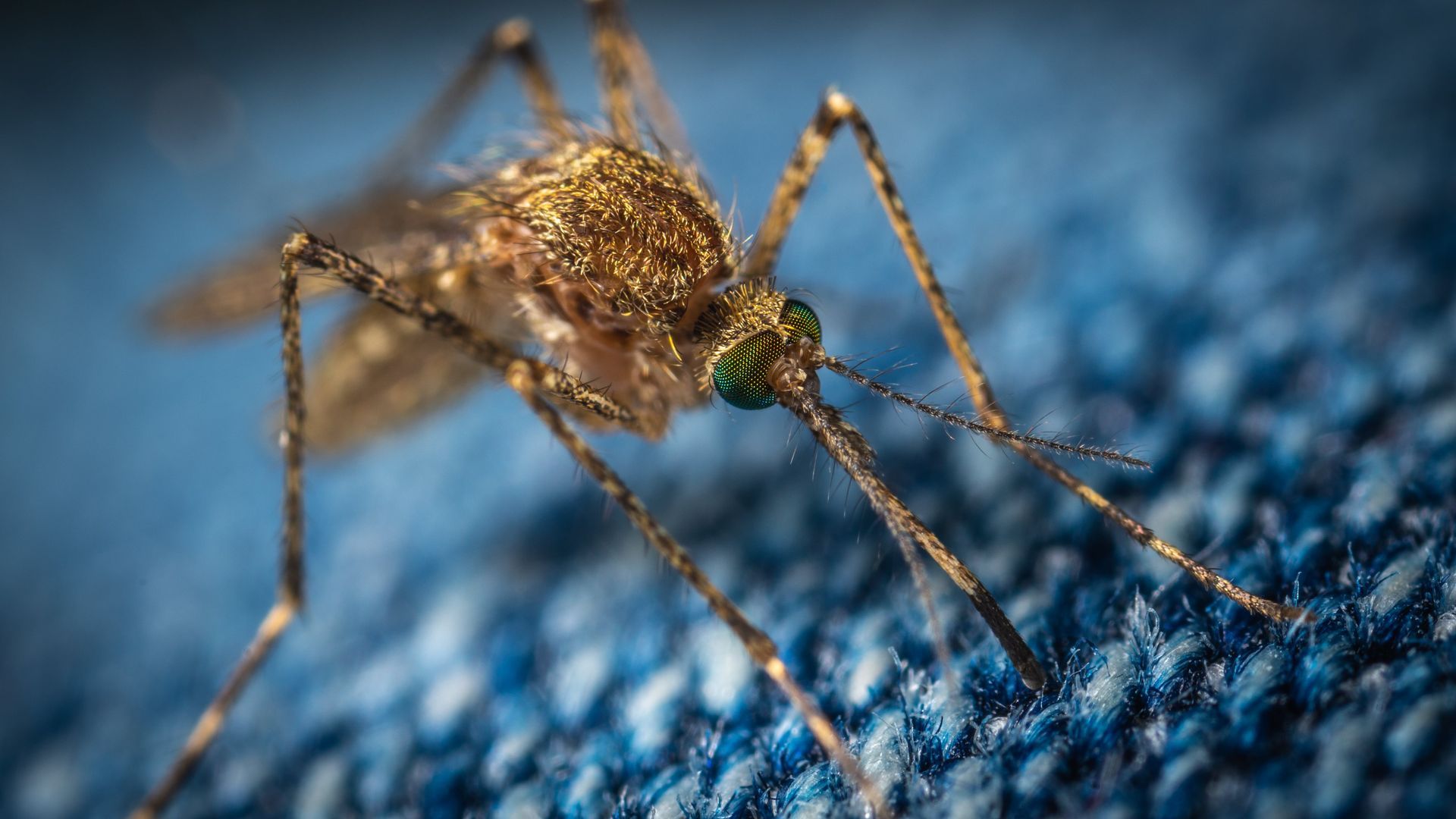
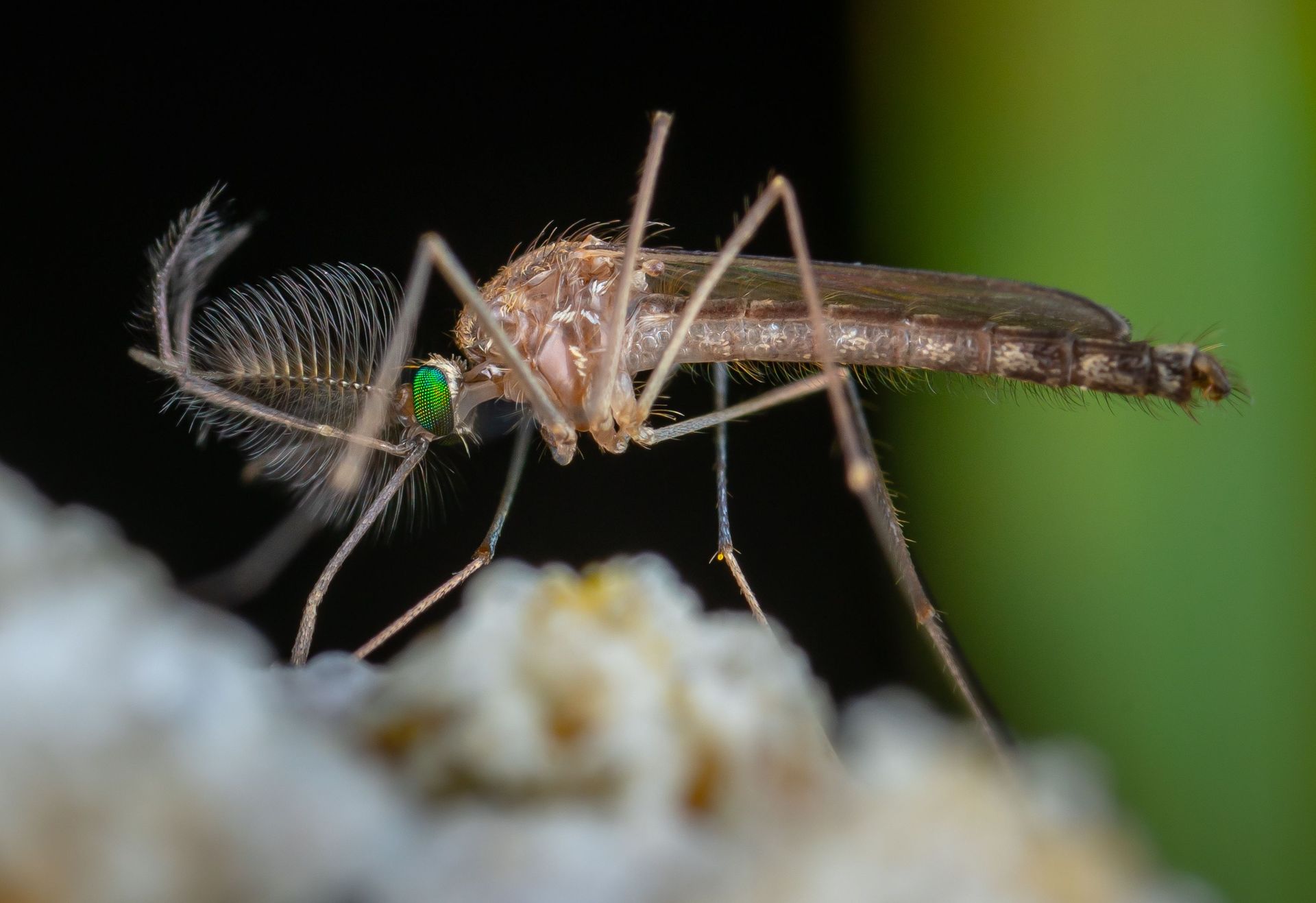
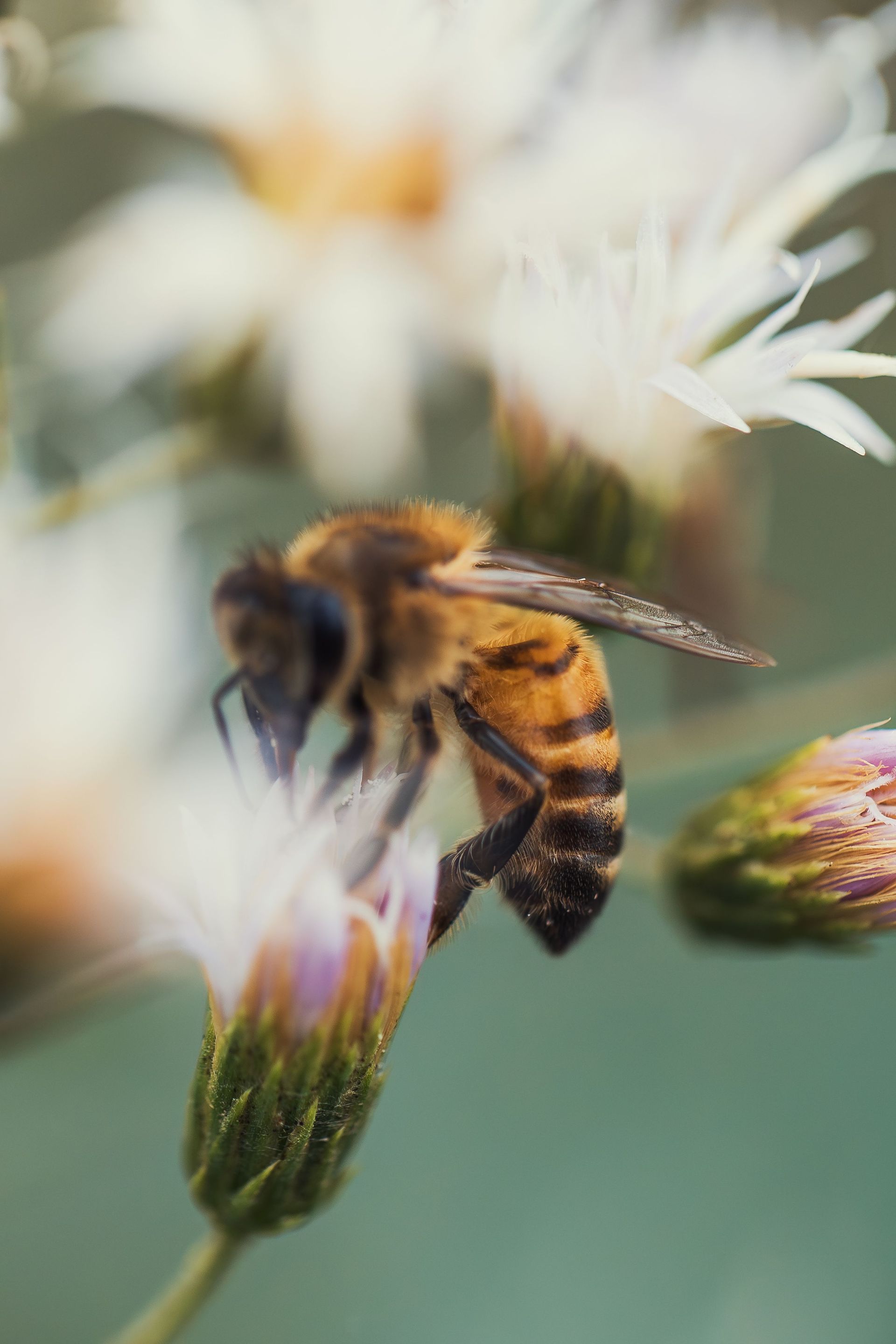
Choosing a treatment before identifying the pest can lead to unnecessary applications. Ants, spiders, mosquitoes, fleas, wasps, bees, rodents, and snakes do not require the same response, and even similar pests can behave differently depending on the season and property conditions.
A professional evaluation may consider:
- Species involved and whether activity is indoors, outdoors, or both
- Nesting, breeding, feeding, or shelter areas connected to the infestation
- Rooms or yard zones used frequently by children and pets
- Entry points, moisture, food, and other conditions sustaining activity
- Whether targeted treatment, exclusion, monitoring, or another approach fits best
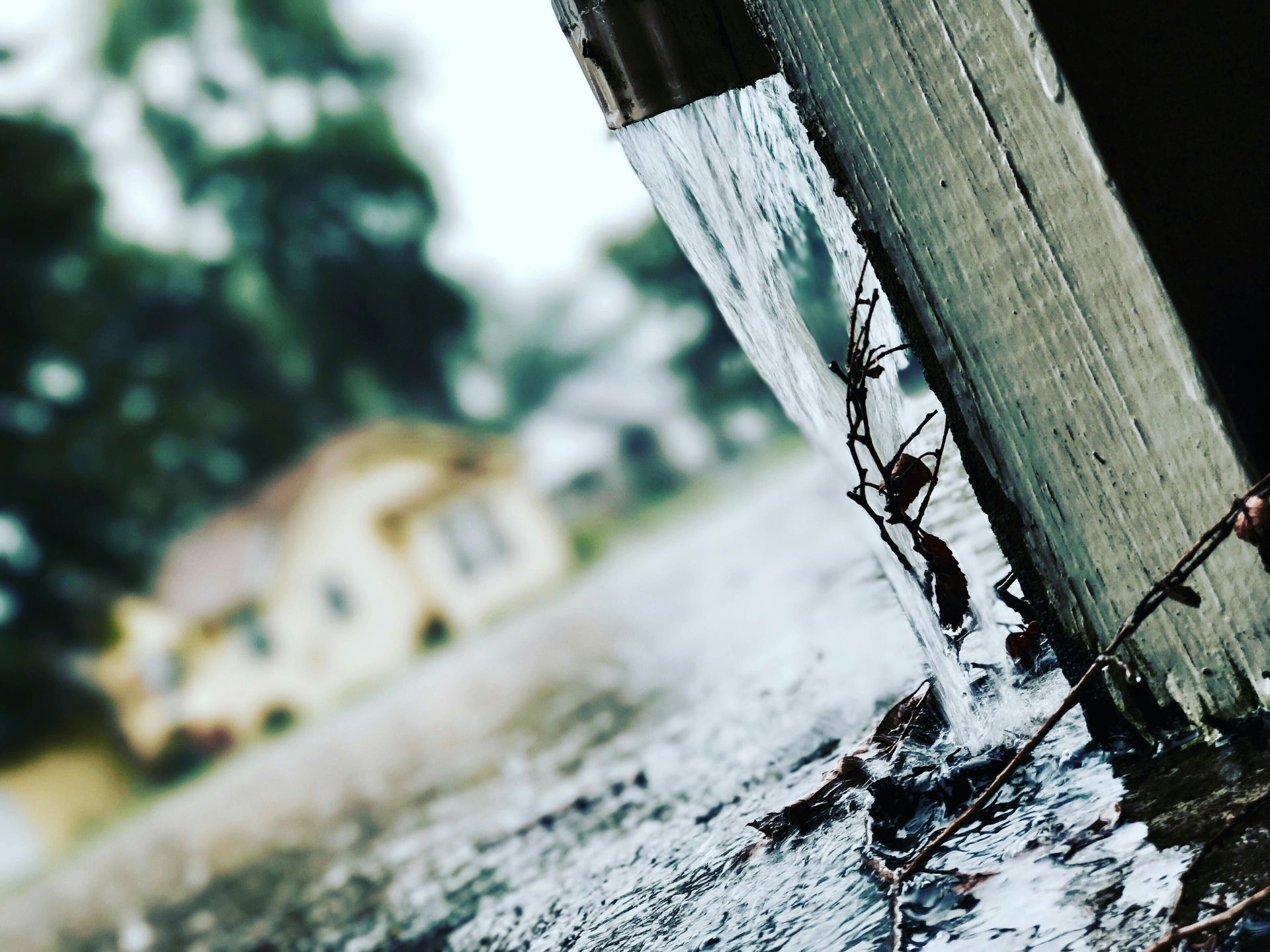
Weather can also change how pests behave around a property. Rain, heat, shade, and moisture may shift activity toward different parts of the yard or home. Understanding weather-driven pest activity helps explain why product choice should follow inspection rather than a one-size-fits-all routine.
Using the correct treatment in the correct place reduces wasted material and helps limit unnecessary contact with areas that do not need treatment.
Labels, Placement, And Timing All Affect Safety
A pest-control product should be judged by more than whether it is described as natural, organic, or conventional. The label determines where it may be used, how it must be applied, and what precautions are required. Professional technicians are trained to follow those directions and match them to the property.
Important safety considerations include:
- Applying products only in approved locations and at labeled rates
- Keeping treatments away from food-preparation surfaces unless specifically allowed
- Limiting access to treated areas until required drying or re-entry times have passed
- Using baits, barriers, or crack-and-crevice applications when they reduce broad exposure
- Considering pet behavior, crawling children, outdoor play areas, and household routines
Targeted application is especially important in homes. Treating a wall void, ant trail, mosquito breeding area, or exterior harborage can be more appropriate than covering large areas without evidence. This is one reason professional service often uses a combination of products, exclusion, sanitation guidance, and monitoring instead of relying on repeated spraying.
Families should also receive clear instructions after service. Knowing when treated spaces can be used again, what areas were addressed, and what follow-up is expected makes the process easier to manage.
Professional Judgment Helps Reduce Unnecessary Exposure
Safe pest control is not about avoiding every product. It is about using the least-disruptive effective approach for the actual problem. A trained technician can distinguish between an active infestation, occasional activity, and environmental conditions that may be corrected without broad treatment.
A thoughtful plan may include:
- Using inspection findings to limit treatment to active or high-risk zones
- Selecting EPA-approved or organic options when appropriate for the situation
- Combining treatment with sealing, exclusion, moisture correction, or habitat reduction
- Adjusting service as weather and seasonal pest pressure change
- Rechecking problem areas instead of automatically increasing product use
Choosing a qualified provider also matters. A strong company should explain what it found, why a treatment is recommended, what products or methods are being used, and what precautions apply. Guidance on choosing pest professionals reinforces the value of clear communication, inspection-first planning, and treatment tailored to the property.
That professional judgment can be especially valuable in homes with young children, pets, frequent visitors, or sensitive-use areas. A technician can plan around sleeping spaces, play areas, kitchens, pet zones, and outdoor gathering areas rather than treating the home as a single undifferentiated space.
Long-term safety also improves when pest pressure is reduced at its source. Entry-point sealing, moisture control, sanitation awareness, and removal of harborage can lower the need for repeated treatment. When products are necessary, precise placement and the correct timing can help achieve control with less unnecessary exposure.
Families should also understand that “safe” does not mean “risk-free” under every condition. Any pest-control product should be handled according to its label, and misuse can create avoidable problems. Professional application adds training, equipment, documentation, and site-specific judgment to the process.
The most reliable approach balances effectiveness with restraint. Identify the pest, understand why it is present, choose the appropriate method, apply it correctly, and monitor the result. That sequence provides stronger protection than selecting a product first and hoping it solves the entire problem.
Protect Your Home With A Thoughtful Plan
If you want pest control that considers your family, pets, property layout, and seasonal pest pressure, contact Bamboo Pest Control for professional inspection, targeted treatment, and long-term prevention.