Do Not Ignore Small Sources Of Standing Water
One of the most common mistakes is assuming mosquitoes need large puddles or ponds to reproduce. Small amounts of water can support mosquito development, especially when they remain undisturbed for several days.
Areas worth checking include:
- Plant saucers, buckets, toys, and containers that hold rainwater
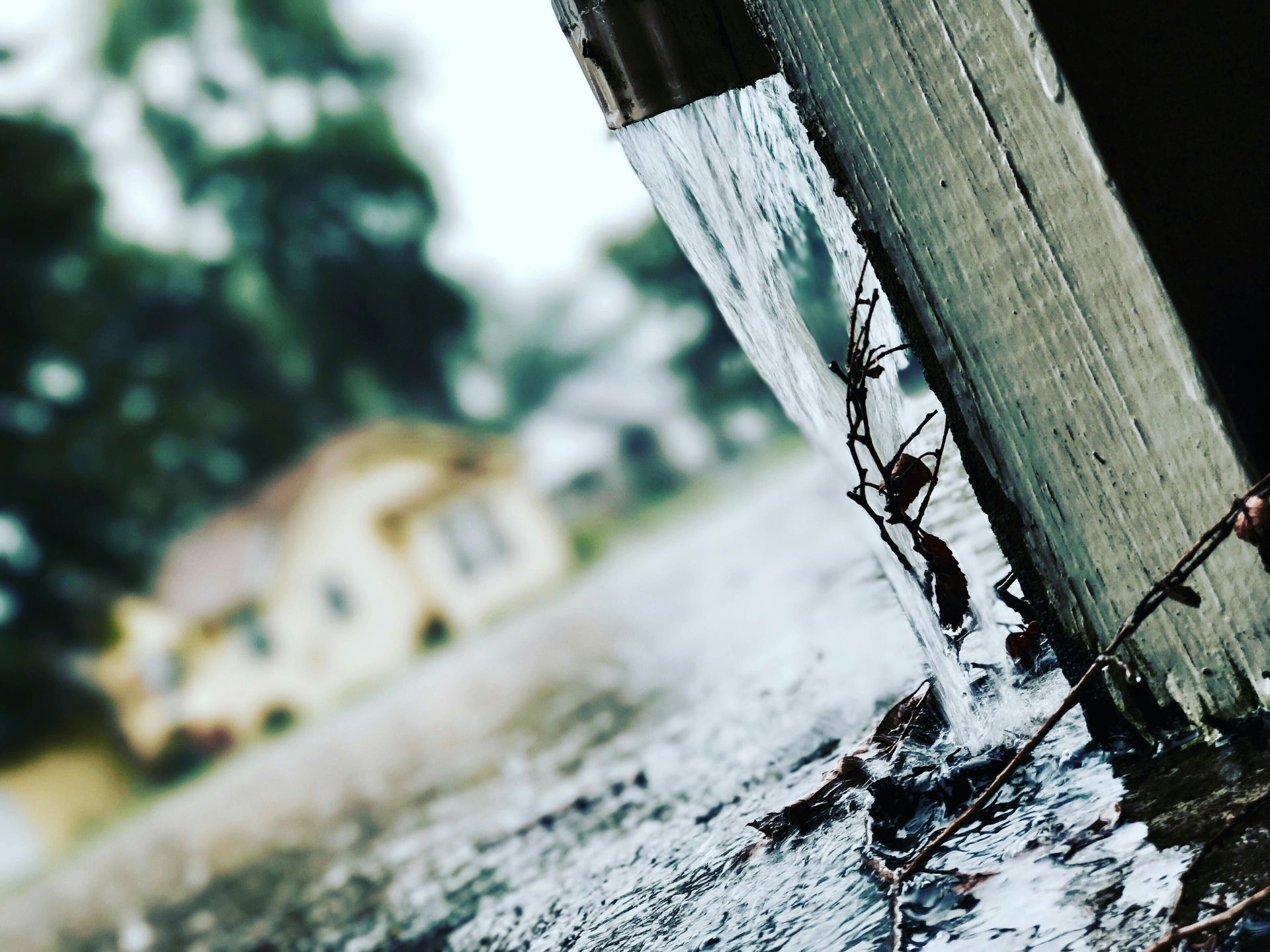
- Gutters or drains where leaves slow water movement
- Low spots near patios, foundations, or lawn edges
- Birdbaths and pet bowls that are not refreshed often
- Tarps or outdoor covers that sag and collect water
- Irrigation zones that stay damp long after watering ends
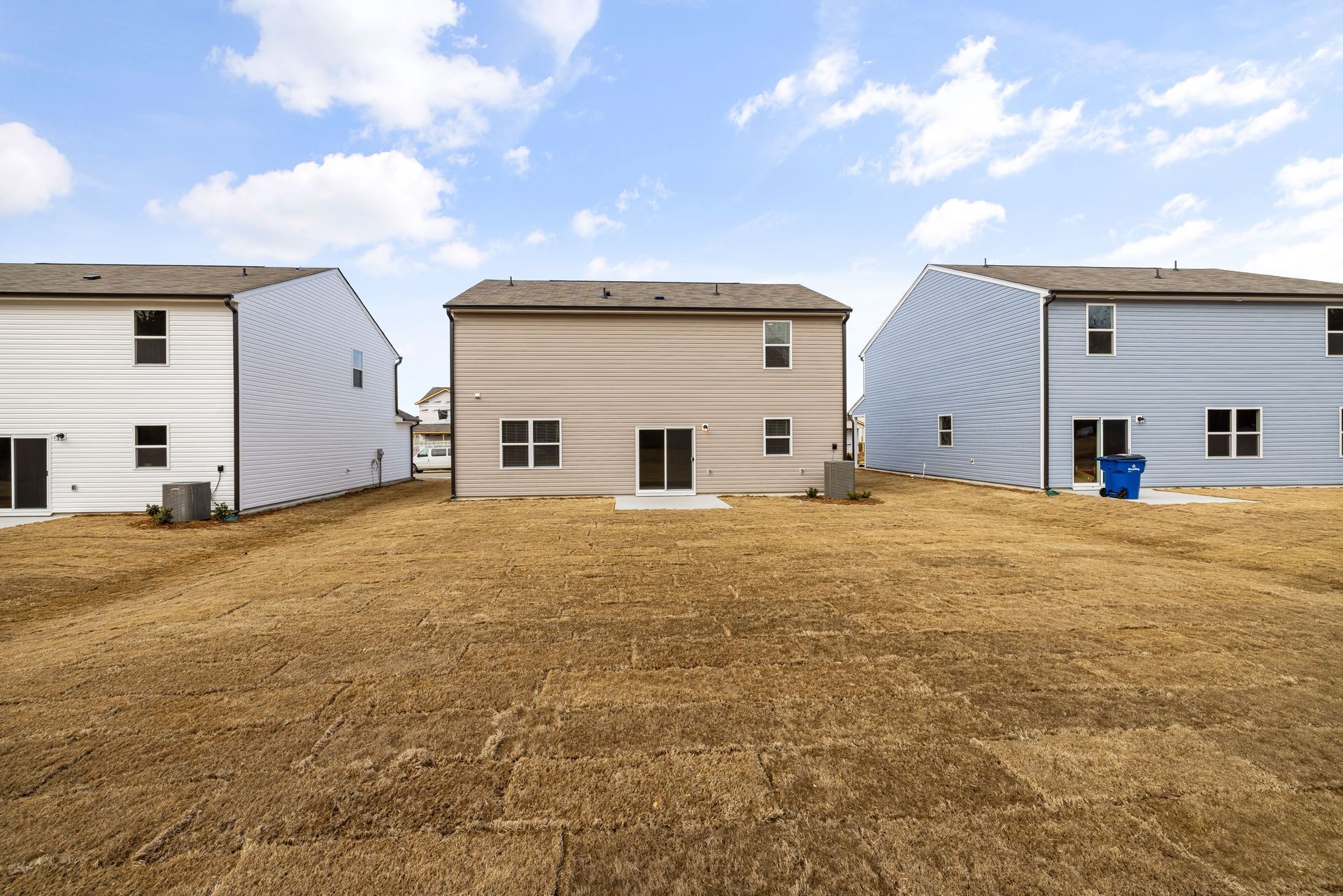
Foundation areas deserve particular attention. The link between foundation moisture and mosquito activity shows how low spots, shaded soil, clogged drainage, and repeated irrigation can create breeding opportunities close to doors, patios, and living areas.
Removing or correcting those water sources is more useful than repeatedly treating adults while breeding continues nearby.
Do Not Assume One Spray Solves The Whole Problem
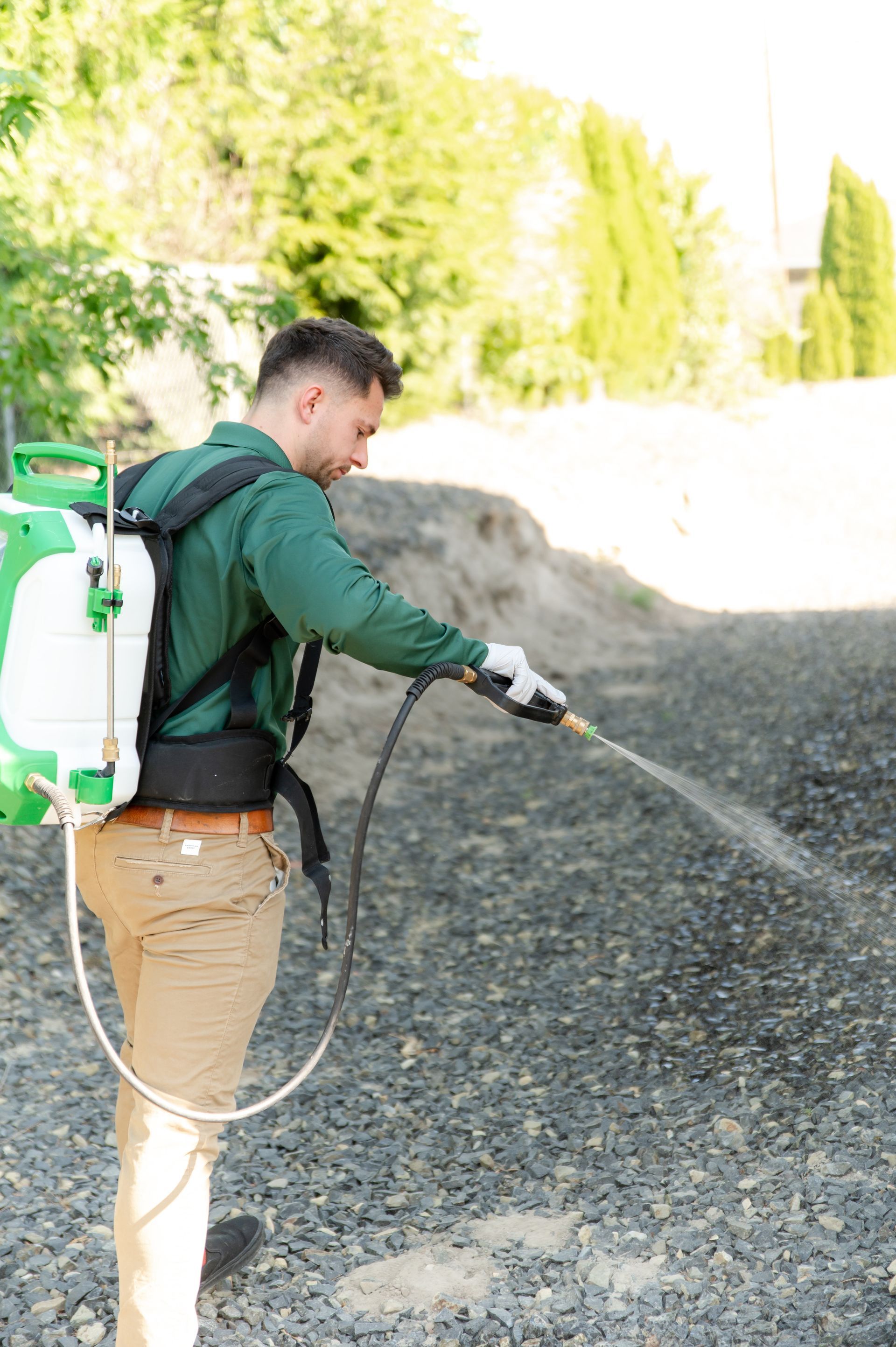
Another common mistake is relying on a one-time spray without understanding where mosquitoes are breeding and resting. Adult mosquitoes may gather in shrubs, under decks, around shaded vegetation, and near damp landscape zones. Treating only open lawn areas can miss the places where activity is concentrated.
A professional plan may include:
- Inspecting breeding sites before treatment begins
- Targeting shaded vegetation where adults rest during the day
- Treating active zones instead of applying products everywhere
- Adjusting application around patios, play areas, and pet-use spaces
- Reviewing whether drainage or irrigation is recreating the problem
- Scheduling follow-up when weather continues to support mosquito activity
Product choice also matters. Guidance on safer product selection reinforces why treatment should account for children, pets, re-entry timing, and label directions rather than assuming every product is interchangeable.
Professional technicians can match the product and application method to the property, which helps avoid unnecessary exposure while improving coverage where it matters most.
Do Not Stop Monitoring Just Because Summer Is Ending
Mosquito pressure can continue after peak summer if warm temperatures, rain, irrigation, or shaded moisture remain. Ending treatment too early is a common mistake, especially when homeowners assume the calendar matters more than actual property conditions.
Late-season monitoring should include:
- Checking whether standing water returns after rain or irrigation
- Watching shaded shrubs and under-deck areas for adult activity
- Reviewing gutters, drains, planters, and low landscape zones
- Tracking whether biting pressure changes after treatment
- Rechecking areas where mosquitoes were active earlier in the season
- Adjusting service when warm weather continues longer than expected
A property can change quickly. A dry yard in July may develop new breeding sites in August or September after storms, irrigation adjustments, clogged drains, or landscaping changes. Monitoring helps catch those shifts before mosquito numbers build again.
This is also why mosquito control works best as a connected process. Breeding-site reduction limits new development. Targeted treatment reduces adult activity. Follow-up shows whether the plan is working or whether new sources have appeared.
Homeowners should also avoid assuming that visible mosquito activity always begins on their own property. Nearby yards, drainage corridors, wooded edges, or other water sources can contribute to local pressure. A professional inspection helps separate conditions that can be corrected on-site from those that require a broader treatment strategy.
Another mistake is treating every damp area the same way. Moisture alone does not automatically mean mosquitoes are breeding there. Technicians look for water that actually remains long enough to support development, then prioritize those sites instead of over-treating the property.
Late-season control should also account for weather. Warm evenings can keep adults active, while sudden rain can refill containers that had already been emptied. Dry periods may reduce some breeding sites while irrigation keeps others active. A plan that is adjusted to real conditions is more reliable than one based only on a fixed date.
The strongest mosquito programs combine source reduction, targeted treatment, careful product use, and ongoing observation. That approach helps reduce repeat activity without depending on broad or frequent applications that may not address the reason mosquitoes are present.
Summer ending does not automatically end mosquito pressure. Avoiding these common mistakes gives homeowners a better chance to keep outdoor spaces more comfortable while preventing small breeding sites from becoming recurring late-season problems.
Keep Late-Season Mosquito Pressure From Lingering
If mosquito activity is continuing around your yard, patios, or foundation areas, contact Bamboo Pest Control for professional mosquito control focused on breeding-site inspection, targeted treatment, careful product use, and seasonal follow-up.