Garage Doors And Thresholds Can Hide Easy Access
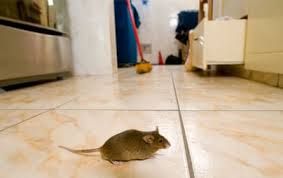
Garages are common rodent entry zones because the opening is wide, frequently used, and exposed to wear. A door may appear fully closed while the bottom corners or weatherstripping leave enough space for mice or rats to investigate.
Professionals often inspect:
- Worn weatherstripping along garage-door edges
- Uneven thresholds that leave gaps at the corners
- Openings where utility lines enter the garage
- Wall gaps behind stored boxes or equipment
- Side-door sweeps that no longer seal tightly
- Food, seed, or pet supplies stored near walls
Late-summer activity can shift quickly, which is why seasonal pest planning matters. Routine inspection can reveal a new access point before rodents settle into a protected indoor area.
Rooflines, Soffits, And Vents Deserve Equal Attention
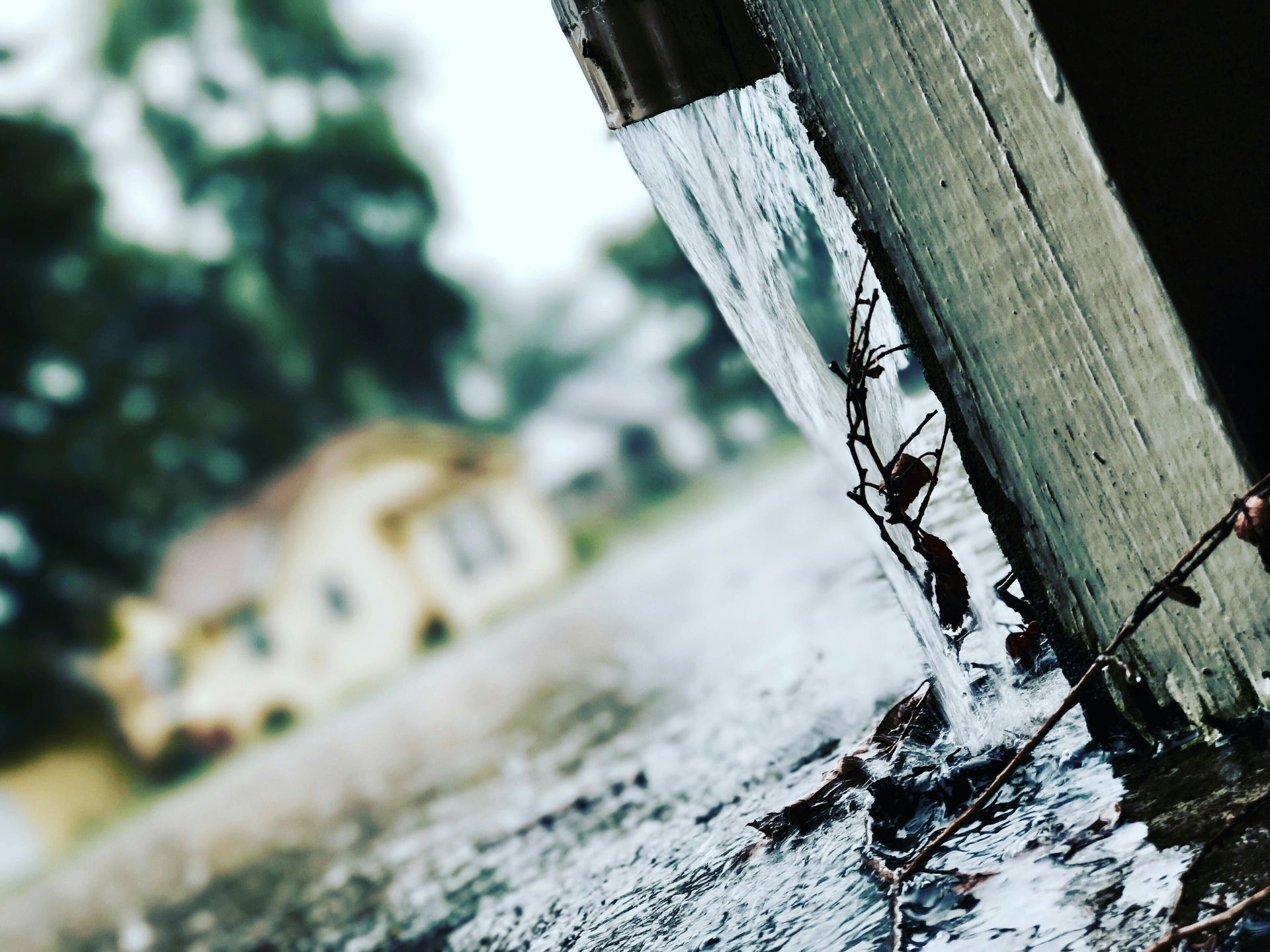
Rodents do not always enter at ground level. Rats and mice can use trees, fences, utility routes, or nearby structures to reach upper parts of a home. Loose soffits, damaged vents, fascia gaps, and roof intersections may then provide shelter and access to attics.
Professional rodent control looks for evidence before recommending exclusion. Scratching sounds, droppings, chewed materials, rub marks, or compressed insulation can help indicate where activity is concentrated.
That sequence matters because sealing the wrong opening can leave the real route untouched or, in some cases, trap rodents inside. A careful exterior and attic inspection gives technicians a clearer view of how the animals are moving through the structure.
Utility Penetrations And Foundation Gaps Are Easy To Miss
Some of the smallest openings around a home are also some of the easiest to overlook. Pipes, cables, conduits, vents, and foundation transitions may leave narrow gaps that rodents can test repeatedly.
Common pressure points include:
- Gaps around plumbing and electrical lines
- Cracks where siding meets the foundation
- Crawl-space vents with damaged screening
- Openings around HVAC or utility penetrations
- Expansion joints and unfinished wall transitions
- Low areas hidden behind landscaping or stored materials
These openings may become more important when late-summer heat, rain, or food changes push rodents toward more stable shelter. Professional inspection helps distinguish cosmetic gaps from active travel routes so exclusion work stays focused.
Outdoor Lighting Can Concentrate Pest Activity Near Entrances
Outdoor lighting does not directly attract rodents in the same way it attracts many flying insects, but it can influence the food chain around a structure. Bright fixtures near doors, garages, patios, and eaves may concentrate insects. That activity can also support spiders and other pests near potential rodent entry zones.
A review of lighting-related pest pressure shows why technicians evaluate lighting together with vegetation, moisture, food sources, and structural access. Rodents may use the same protected areas where other pest activity is concentrated, especially around garages, storage spaces, and exterior walls.
Professional rodent control considers those overlapping conditions instead of looking at a single factor in isolation. This broader view can reveal why certain entry points stay active while nearby gaps remain unused. The goal is to understand why rodents are approaching the structure and which openings they are actually using.
Long-Term Rodent Control Depends On Exclusion And Follow-Up
Removing active rodents is only one part of the solution. Long-term rodent control also requires reducing the conditions that allow new animals to enter.
A complete plan may include:
- Mapping confirmed and suspected entry points
- Trapping or otherwise controlling active rodents
- Sealing openings after occupancy is evaluated
- Reducing accessible food and nesting materials
- Rechecking repaired areas for renewed activity
- Adjusting the plan as seasonal conditions change
Follow-up matters because rodents may shift to another route if one opening is closed. A technician who has already mapped the property can compare new evidence with earlier findings and determine whether another access point has become active.
Late summer is a practical time to inspect hidden entry points because seasonal changes can make garages, attics, utility areas, and wall voids more attractive. Mice and rats do not need obvious openings. They use small weaknesses that connect outdoor travel routes with dependable indoor shelter.
The strongest prevention strategy combines inspection, exclusion, sanitation, monitoring, and professional follow-up. That approach helps reduce repeat activity without relying on random repairs or one-time reactions that may miss the source.
Close The Routes Rodents Keep Finding
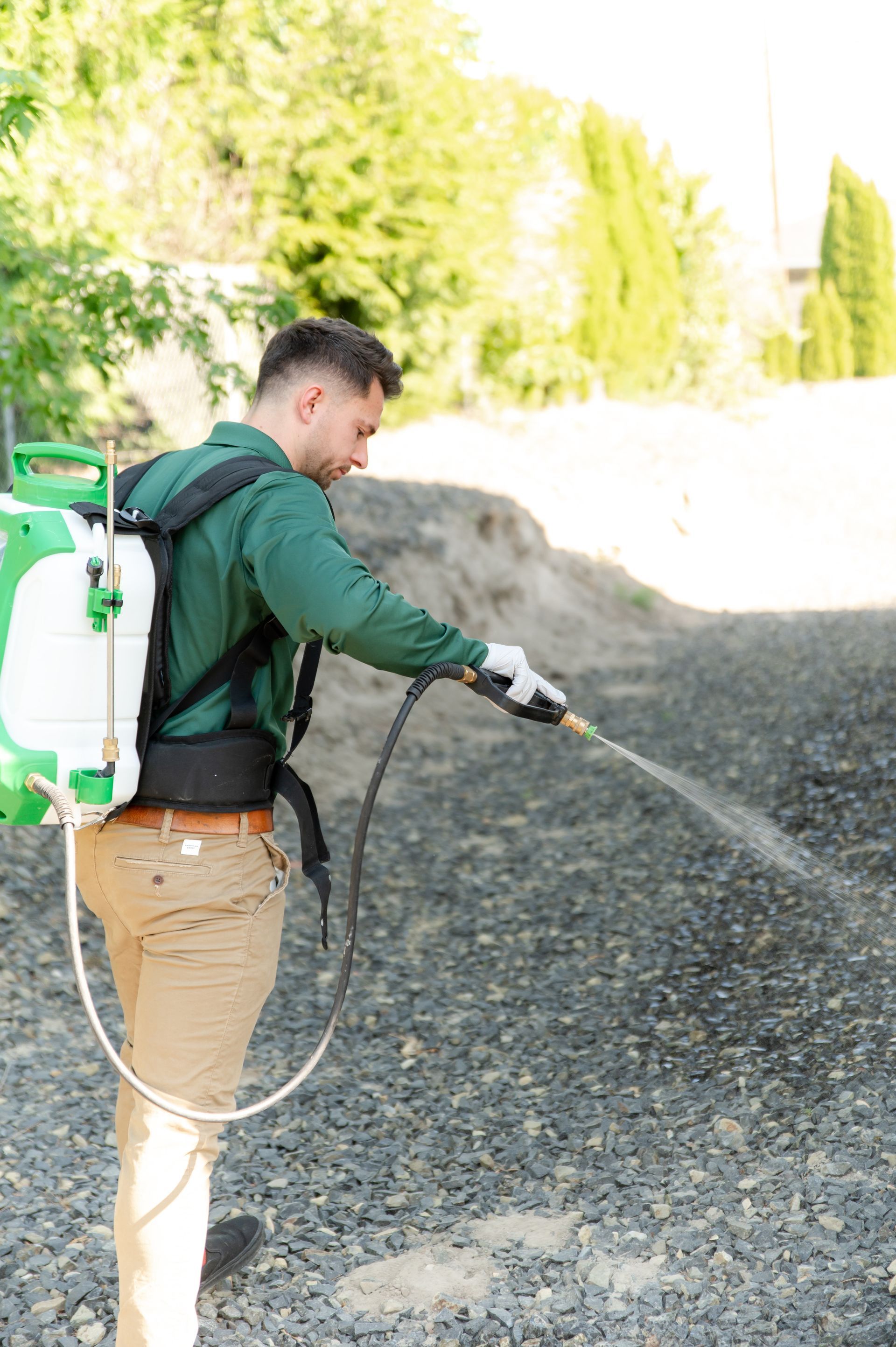
If mice or rats are appearing around your home, contact Bamboo Pest Control for professional inspection, targeted rodent control, exclusion guidance, and long-term monitoring.