Bright Fixtures Can Create Pest Hotspots
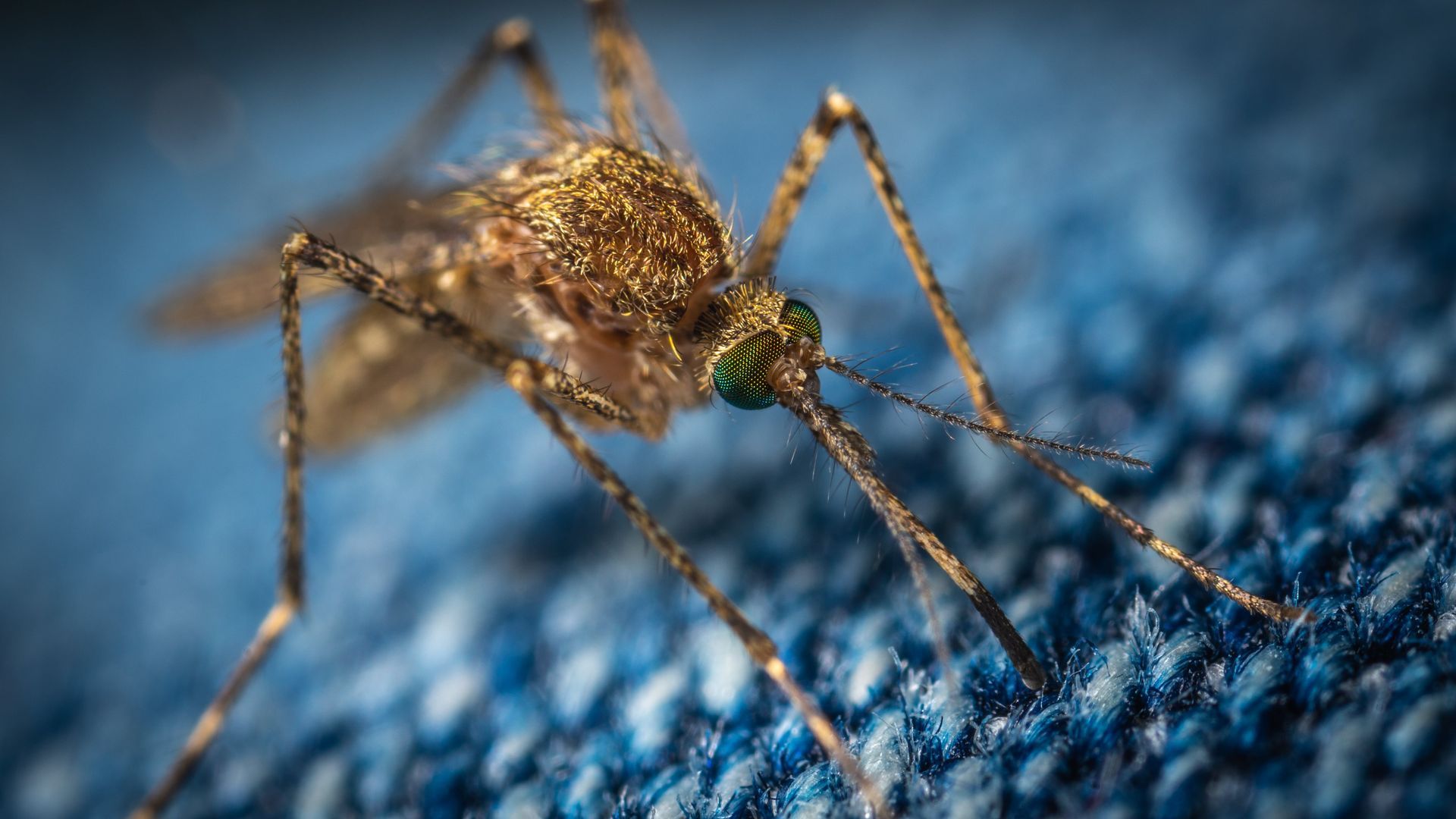
Many night-flying insects respond to artificial light, especially when the fixture is bright, exposed, or positioned close to a doorway or window. The light itself may not create an infestation, but it can concentrate insects in one place. Spiders may then build webs nearby because prey is readily available. Wasps, hornets, bees, mosquitoes, and other supported pests may also become more noticeable around illuminated areas when other favorable conditions exist.
Common lighting-related pressure points include:
- Porch lights are placed directly beside frequently opened doors
- Garage fixtures that illuminate cracks, gaps, or storage areas
- Landscape lights surrounded by dense shrubs or damp soil
- Patio lights positioned near food, drinks, trash, or standing water
- Bright exterior lamps close to eaves, windows, vents, and rooflines
A few insects near a light may be normal, but repeated activity, web buildup, or pests entering indoors can point to a persistent issue. Choosing local pest help can make the inspection more useful because local technicians understand seasonal pest behavior, building conditions, and common outdoor pressure points.
Pest Activity Can Move From The Light To The Home
The biggest concern is not always what gathers around the fixture. It is what happens next. A porch light may draw insects close to a doorway, where they can enter when the door opens. A garage light may keep insect activity near gaps around seals or utility lines. Spiders may settle under eaves, around fixtures, or beside windows where insects are consistently available.
A professional inspection may look for:
- Webs, nests, insect remains, or repeated activity around exterior fixtures
- Gaps around doors, windows, vents, pipes, rooflines, and garage seals
- Dense vegetation, mulch, irrigation, or moisture close to lit areas
- Standing water that may support mosquito activity near patios or walkways
- Signs that ants, spiders, rodents, wasps, hornets, bees, snakes, or other listed pests are using nearby shelter
Lighting may only be one part of the issue. Moisture attracts insects, vegetation provides shelter, and structural gaps can turn outdoor pressure into indoor activity. A technician can connect those conditions and recommend a targeted response.
If one fixture is creating a concentrated hotspot, the solution may involve adjusting placement, improving exclusion, addressing moisture, or treating a specific harborage area.
Prevention Works Best When Lighting Is Part Of The Plan
Outdoor lighting should be reviewed alongside the way the property is used at night. Patios, garages, porches, outdoor kitchens, and entry points may all need different attention.
A prevention-focused plan may include:
- Moving or redirecting lights away from doors and windows when practical
- Reducing unnecessary brightness near high-traffic entry points
- Keeping shrubs, vines, and dense vegetation trimmed away from fixtures and walls
- Addressing moisture, standing water, and irrigation problems near illuminated areas
- Monitoring webs, nests, insect buildup, and repeat pest activity over time
When pest activity becomes sudden, widespread, or difficult to identify, knowing what to expect from emergency pest service can help homeowners understand the value of inspection, targeted treatment, and follow-up. An urgent response may be appropriate when a nest is close to a busy entrance, a pest is entering living spaces, or the activity creates a safety concern.
The strongest pest control plans do not focus on lighting alone. They consider the fixture, the surrounding landscaping, moisture, structural access, and the pests present. Ants may follow food or moisture near patios. Spiders may build where insects gather. Mosquitoes may rest in shaded vegetation. Wasps, hornets, and bees may use protected exterior areas. Rodents or snakes may also take advantage of shelter and other pest activity around the property.
Outdoor lights are useful and often necessary, but their placement can influence where pests gather. A professional inspection helps homeowners keep the benefits of exterior lighting while reducing the conditions that invite unwanted activity closer to the home.
Keep Outdoor Lighting From Becoming A Pest Magnet
A well-lit property should feel safer and more comfortable, not more inviting to unwanted pests. When lighting, moisture, vegetation, and entry points are evaluated together, prevention becomes more effective. For professional pest control and help with ants, spiders, mosquitoes, rodents, wasps, hornets, bees, snakes, and other supported pest concerns, contact Bamboo Pest Control.