Inspect The Entry Points Rodents Use Most Often
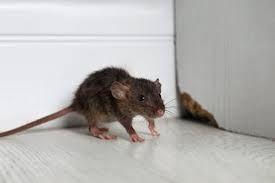
Rodents can take advantage of surprisingly small structural weaknesses. Gaps around garage doors, utility penetrations, vents, foundations, rooflines, and soffits may look minor but can become repeat travel routes. Mice and rats can also reach upper areas by using fences, vegetation, utility routes, or nearby structures.
Before sealing openings, it is important to determine whether they show evidence of actual rodent use. Our technicians look for droppings, rub marks, gnawing, compressed insulation, nesting material, and repeated noises to help connect activity with specific access points. This prevents random repairs from overlooking the route that matters most.
A closer look at hidden rodent entry areas shows why fall preparation should include more than a quick exterior check. Useful inspection points include:
- Checking worn weatherstripping around garage doors and side entrances
- Inspecting gaps where plumbing, electrical lines, and conduits enter walls
- Reviewing crawl-space vents and screens for damage or loose edges
- Looking along roof intersections, fascia, soffits, and attic ventilation points
- Examining foundation transitions that are partly hidden by landscaping
- Noting fresh gnaw marks, droppings, tracks, or disturbed insulation
Reduce Food And Shelter That Support Rodent Activity
Exclusion is more effective when the surrounding property gives rodents fewer reasons to stay. Mice and rats are resourceful, and reliable access to food, water, nesting materials, or concealed shelter can keep them active even when one entry point is repaired.
Fall preparation should therefore include the areas where rodents can feed or hide without being noticed. Garages and storage spaces deserve particular attention because pet food, bird seed, cardboard, clutter, and rarely moved items can create both nourishment and protected nesting sites. Outdoor conditions matter as well when dense vegetation or stored materials create concealed travel routes near exterior walls.
Our team evaluates these conditions as part of a broader rodent-control plan because structural proofing alone may not address the reasons rodents continue approaching the property.
- Keeping pet food, seed, and other stored foods in secure containers
- Cleaning spilled food or residue around garages, patios, and storage areas
- Reducing cardboard piles and unused materials that can provide nesting cover
- Trimming vegetation that creates concealed access close to exterior walls
- Moving stored objects away from foundations when they obstruct inspection
- Addressing accessible water or moisture conditions that support pest activity
These steps support professional exclusion by making rodent evidence easier to detect and reducing the resources that help populations remain established near the home.
Combine Exclusion With Monitoring And Follow-Up
Rodent proofing is not simply a matter of closing every visible gap. Sealing the wrong opening before understanding current activity can leave the primary route untouched or potentially trap rodents inside. Professional rodent control typically begins with identification and an in-depth property inspection before a treatment plan is created.
Depending on the findings, our technicians may use exclusion, traps, rodent stations, or other targeted measures. Follow-up is especially important because rodents are creatures of habit. When one pathway is blocked, they may investigate another weakness around the structure. Seasonal changes can also create new pressure around doors, foundations, garages, and rooflines.
That is why seasonal pest planning can strengthen long-term prevention. Repeated inspections allow our team to compare new evidence with earlier findings and adjust the plan as conditions change.
- Mapping confirmed and suspected rodent access points before exclusion begins.
- Controlling active rodents before completing repairs where appropriate
- Sealing openings based on inspection findings rather than guesswork
- Rechecking repaired areas for renewed gnawing or fresh evidence
- Monitoring traps or stations according to the property-specific treatment plan
- Adjusting prevention as weather, vegetation, and outdoor food sources change
A one-time reaction may remove visible activity without explaining how rodents entered or what will stop another infestation. Fall rodent proofing works best as a coordinated process that connects structural repairs with evidence-based control and continued monitoring.
Prepare Your Home Before Rodents Settle In
Fall is a practical time to address entry points before rodents become established in protected indoor spaces. For professional inspection, targeted rodent control, exclusion, and ongoing prevention, contact Bamboo Pest Control.