Clogged Gutters Create Moisture And Shelter Near The Roofline
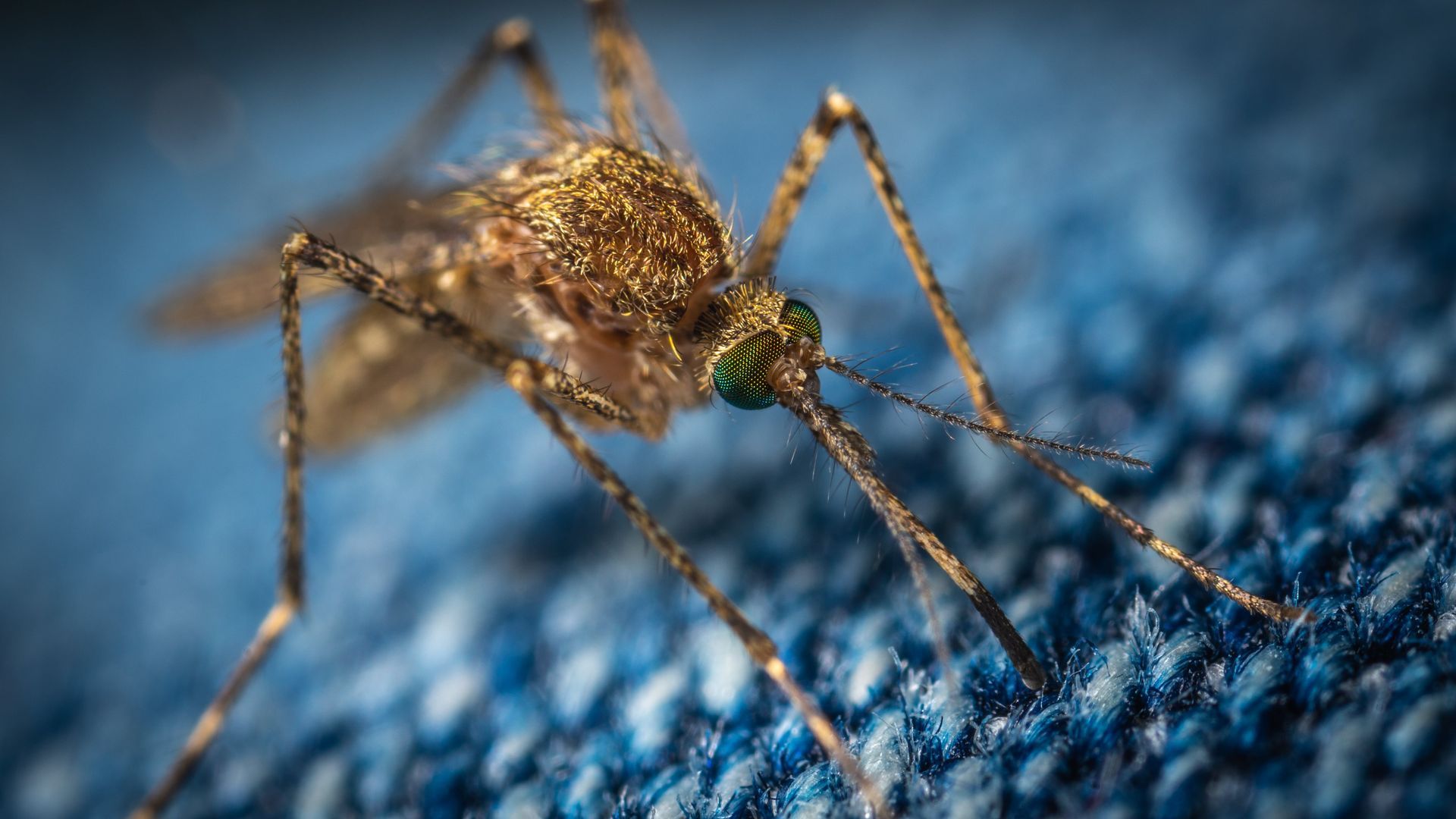
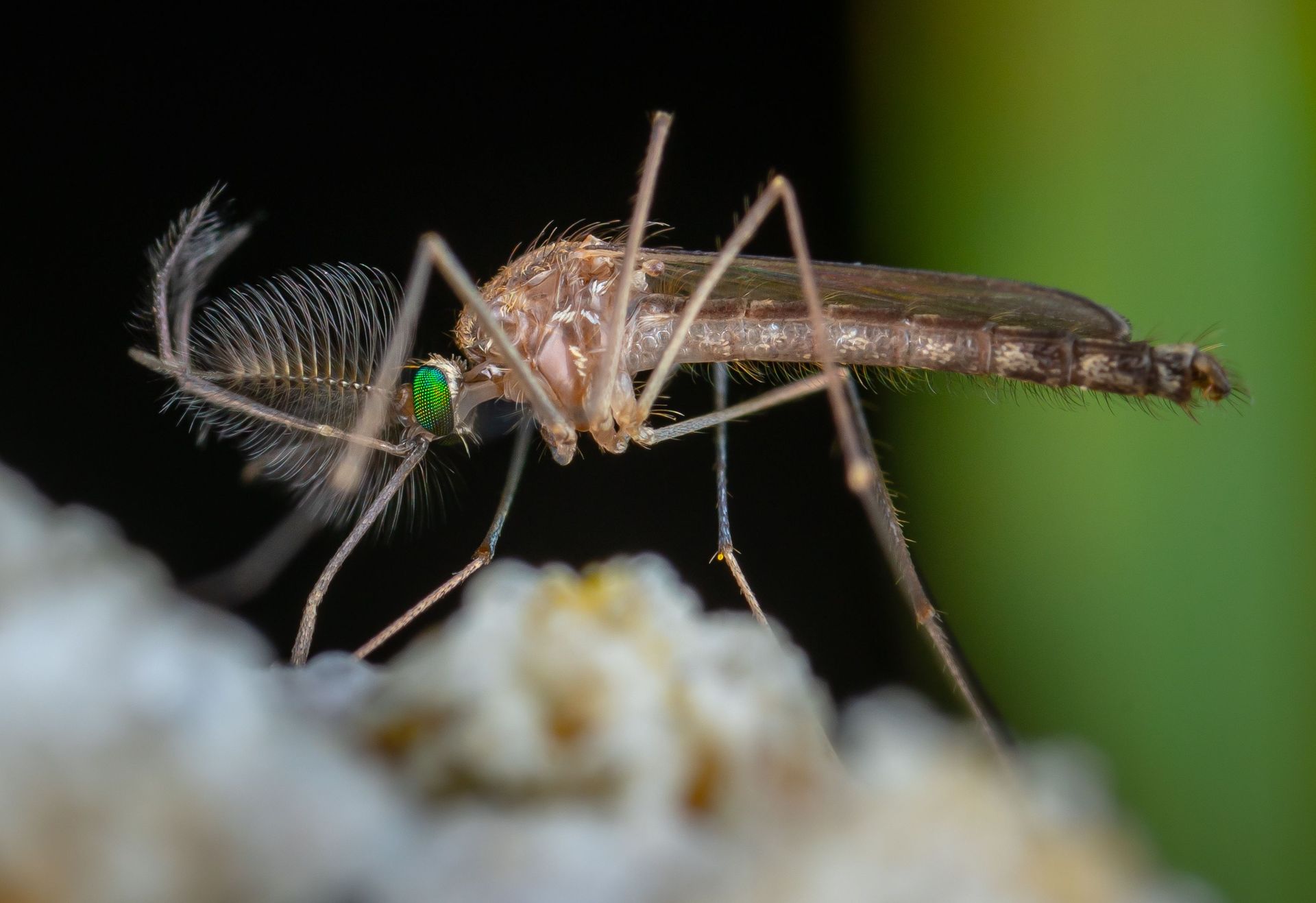
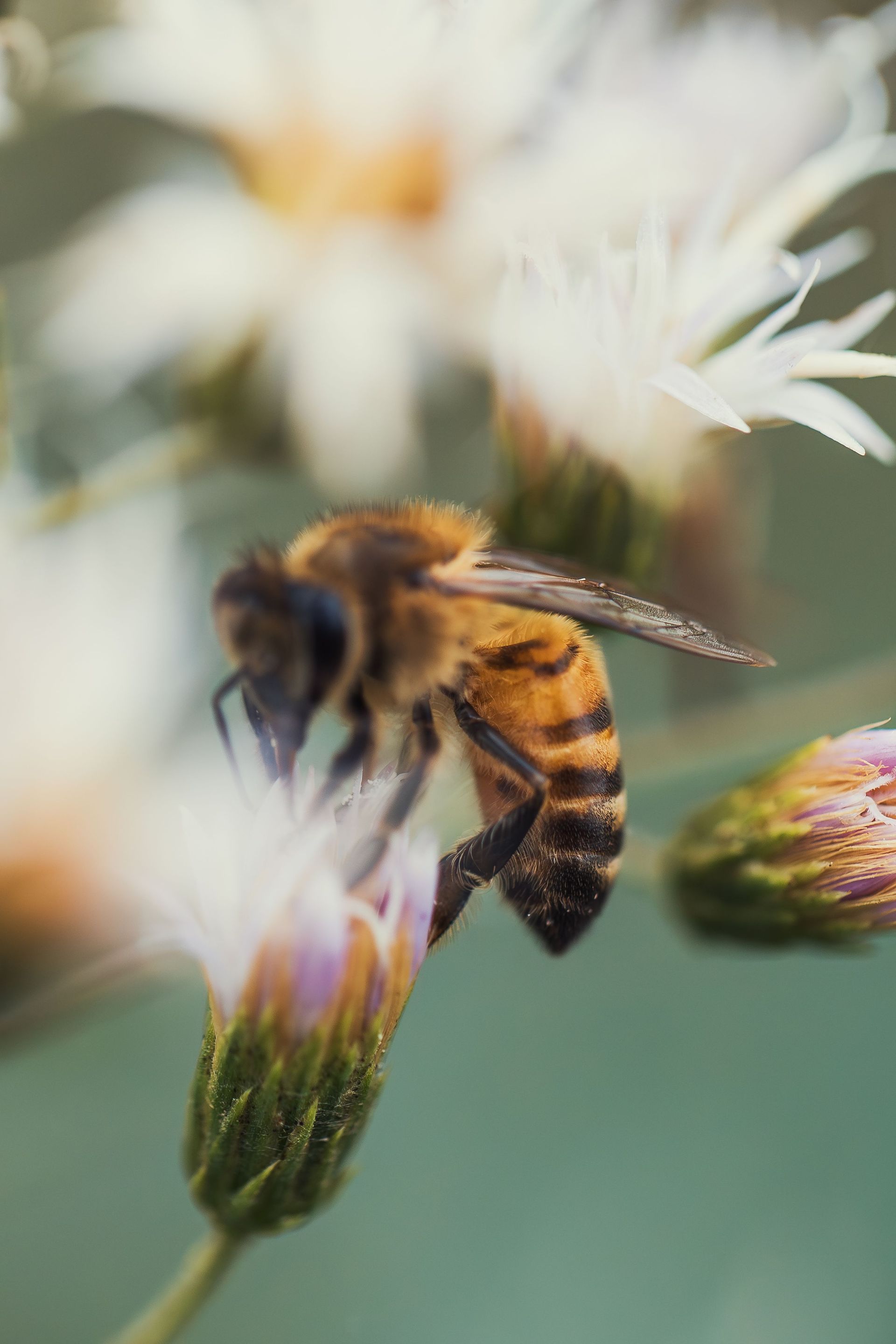
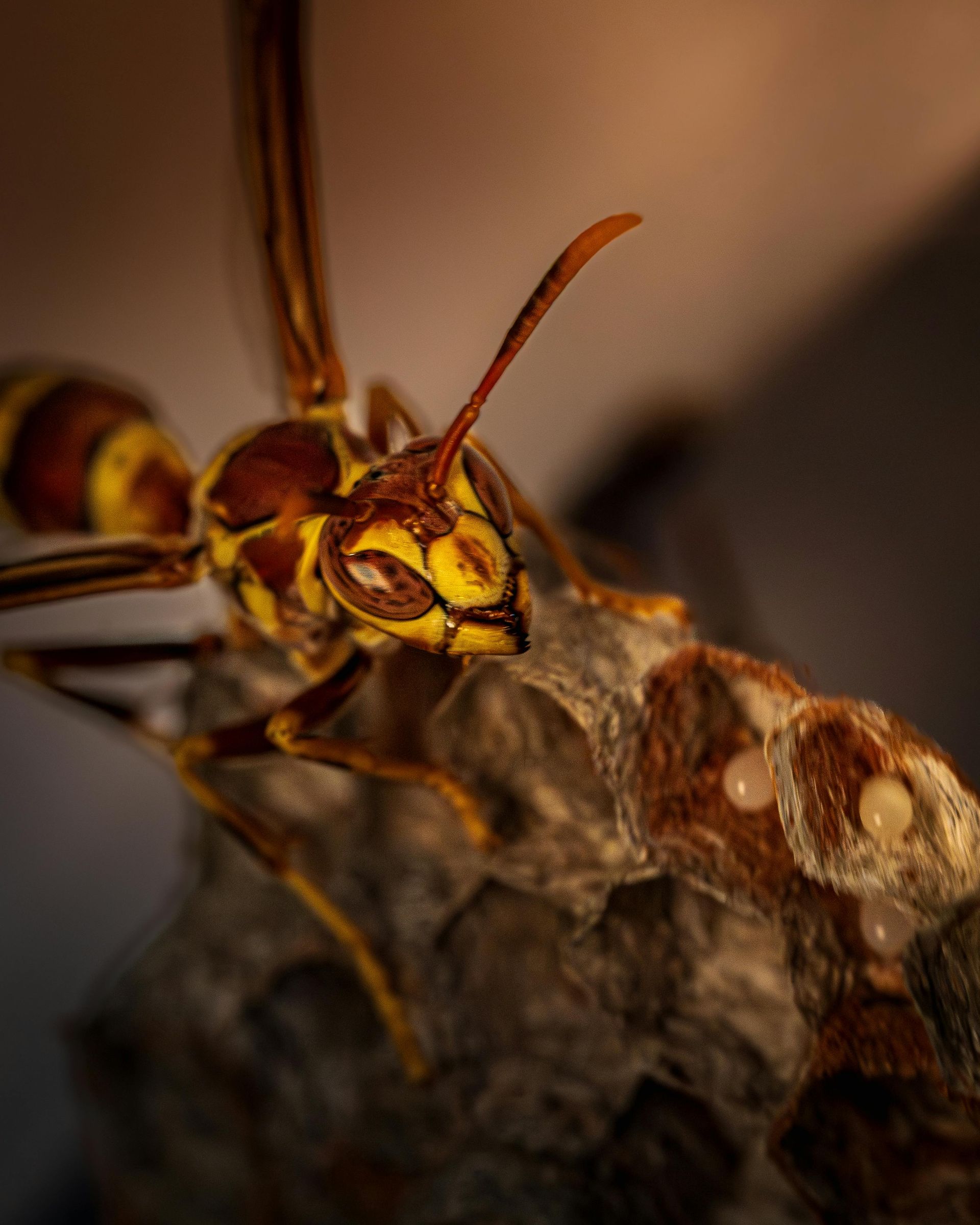
Standing water and damp organic debris can make gutters more attractive to pests. Mosquitoes may develop around stagnant water, while ants and other insects can gather where moisture remains available. Spiders may then appear where insect prey becomes concentrated. Roof edges and eaves can also provide protected locations for wasps, hornets, or bees when conditions are favorable.
Our guidance on family-safe pest control explains why treatment decisions should follow inspection rather than relying on broad applications. The same principle applies around gutters. Our technicians first determine whether moisture, nesting, entry gaps, or another condition is actually contributing to pest activity.
Gutter-related warning signs can include:
- Water remaining in sections of gutter after rainfall has ended
- Damp leaves and debris collecting near roof edges or downspout openings
- Mosquito activity around standing water or shaded drainage areas
- Ant trails moving along siding, fascia, or nearby exterior surfaces
- Spider webs building beneath eaves where insects gather
- Wasp, hornet, or bee activity around protected roofline areas
These signs do not automatically mean the gutter is the only source of the problem, but they can help our team identify where moisture and pest pressure are overlapping.
Poor Drainage Can Shift Pest Pressure Toward Foundations
Gutters also affect what happens at ground level. When downspouts overflow, disconnect, or release water too close to the home, damp soil and foundation-adjacent moisture can increase. That may support ants, mosquitoes, and other pests while also creating sheltered conditions around landscaping, mulch, and exterior storage.
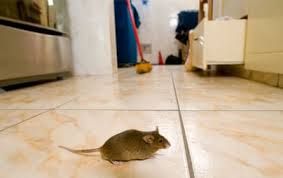
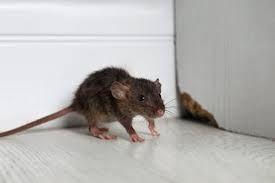
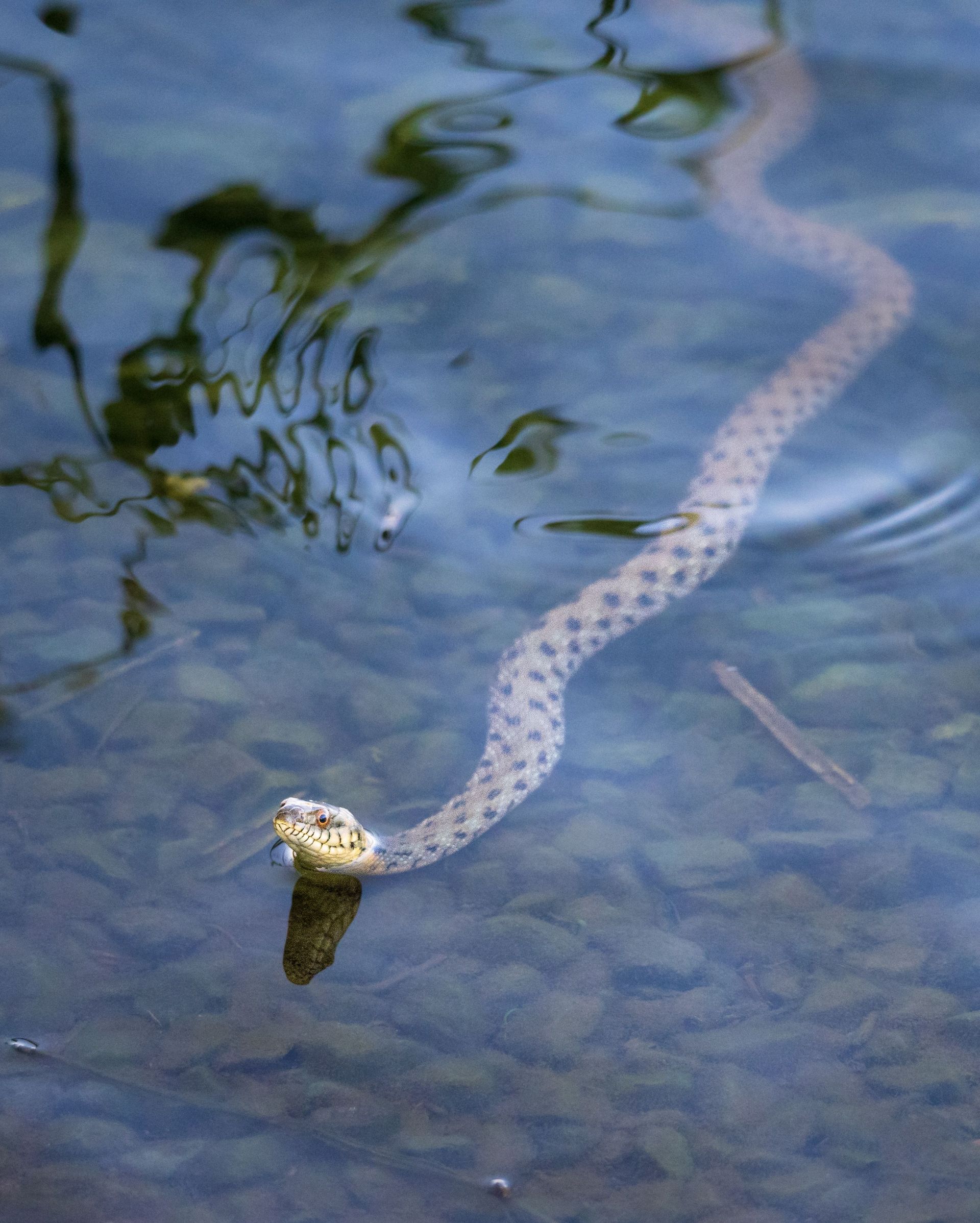
Rodents may take advantage of nearby cover, especially when dense vegetation, stored materials, or gaps around the structure are present. Snakes may also use cool, protected areas where prey and shelter are available. Our team therefore looks at the full drainage path.
Important conditions to review include:
- Downspouts that discharge water directly beside the foundation
- Soil that stays damp long after rainfall or irrigation
- Mulch, leaf litter, or debris collecting near exterior walls
- Vegetation that blocks inspection around foundation edges
- Gaps around vents, utility lines, or crawl-space openings near damp areas
- Repeated pest sightings after rain or periods of high moisture
A professional inspection helps determine which conditions are actually connected to active pests. That distinction matters because correcting drainage alone may not address insects or rodents that are already established indoors.
Seasonal Gutter Care Supports A Broader Prevention Plan
Pacific Northwest weather can shift between rain, mild temperatures, dry summer periods, and cooler winter conditions. Those changes affect where pests feed, nest, and seek shelter. Our guide to seasonal pest prevention highlights gutters, drains, vegetation, entry points, and moisture as areas that deserve attention as conditions change.
Clean, functional gutters support pest prevention by reducing unnecessary water retention and improving visibility around eaves and roof edges. They also make it easier to notice damaged fascia, loose screening, gaps, or other structural issues that may need professional evaluation.
A seasonal prevention plan may include:
- Checking gutters and downspouts after heavy leaf fall or storms
- Watching for overflow that repeatedly wets siding or foundation areas
- Inspecting eaves and roof edges for nests, webs, or pest movement
- Reviewing nearby vegetation that creates concealed roof access
- Monitoring garages, crawl spaces, and utility openings for rodent signs
- Rechecking problem areas when rainfall or temperatures change
Our technicians can then connect those observations with current pest evidence and decide whether treatment, exclusion, monitoring, or another response is appropriate. This keeps pest control focused instead of assuming that every damp area needs the same treatment.
Long-term prevention works best when property maintenance and professional inspection support each other. Clean gutters can reduce standing water and debris, but they cannot confirm whether pests are nesting behind fascia, moving through a roof gap, or using another access point nearby. Likewise, one-time treatment may reduce visible activity without correcting the moisture or structural condition, helping pests return.
The stronger approach is to look at gutters, drainage, landscaping, entry points, and pest evidence together. When those details are reviewed as one system, our team can build a more precise plan and adjust it as seasonal conditions change.
Keep Roofline Moisture From Becoming A Pest Problem
If gutter moisture, roofline activity, or recurring pests are becoming a concern, contact Bamboo Pest Control for professional inspection, targeted pest control, exclusion guidance, and long-term seasonal prevention.