Prepare For Spring Moisture And New Activity
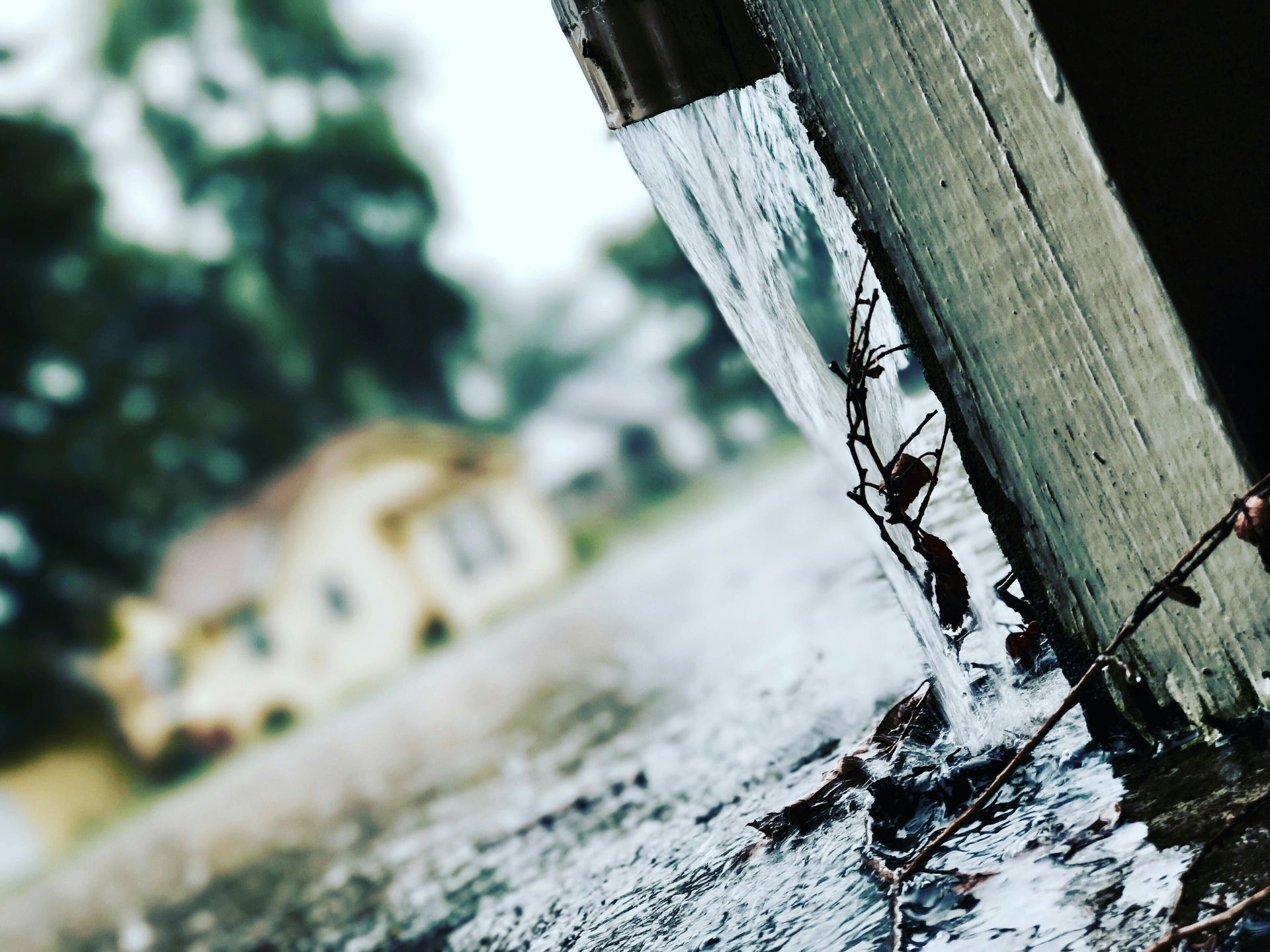
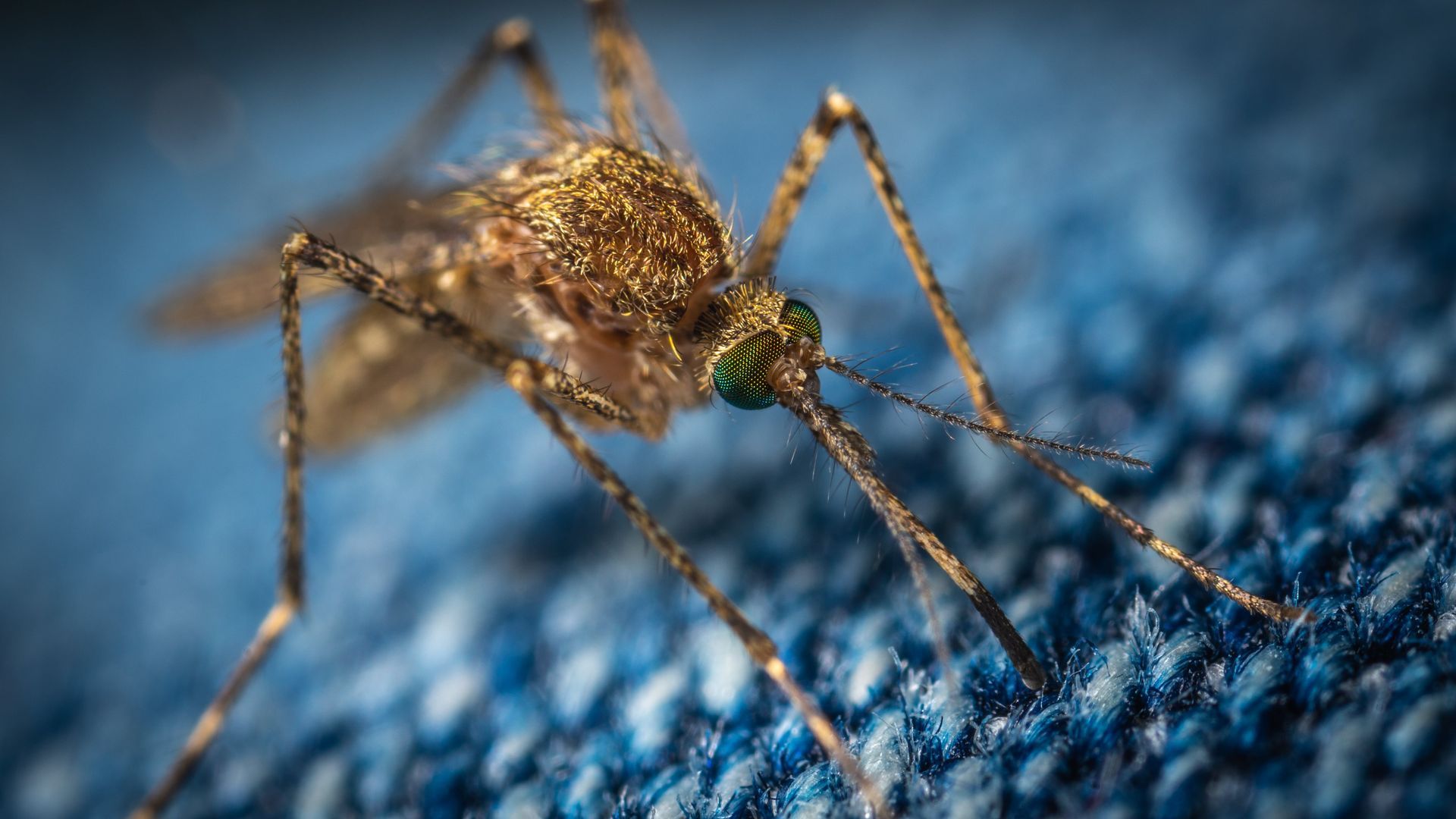
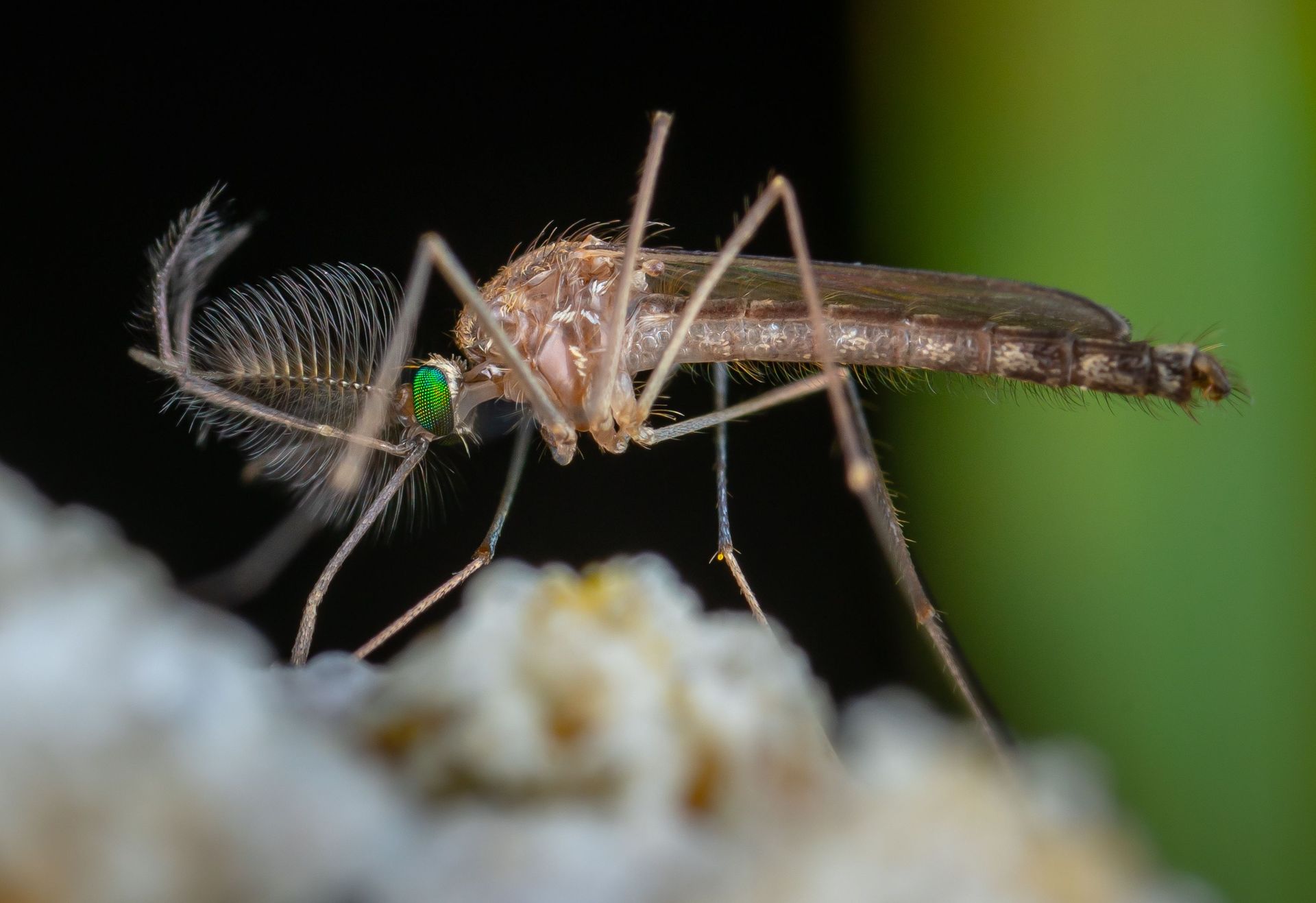
Spring rain softens soil, fills containers, supports vegetation growth, and disturbs outdoor nesting areas. Ants may begin trailing toward kitchens or bathrooms, mosquitoes may develop in standing water, and spiders may appear where insect activity increases. Rodents can also move when saturated ground affects outdoor shelter.
Useful spring priorities include:
- Clearing gutters, drains, planters, and low areas that hold rainwater
- Trimming fast-growing vegetation away from siding, windows, and rooflines
- Checking doors, screens, vents, and utility openings for winter damage
- Removing leaf litter, stacked materials, and damp debris near foundations
- Reporting recurring trails, nests, droppings, or indoor sightings early
A professional spring inspection helps distinguish temporary movement from established activity. Early findings also allow treatment and exclusion work to remain more targeted before populations grow.
Adjust Prevention As Summer Pressure Builds
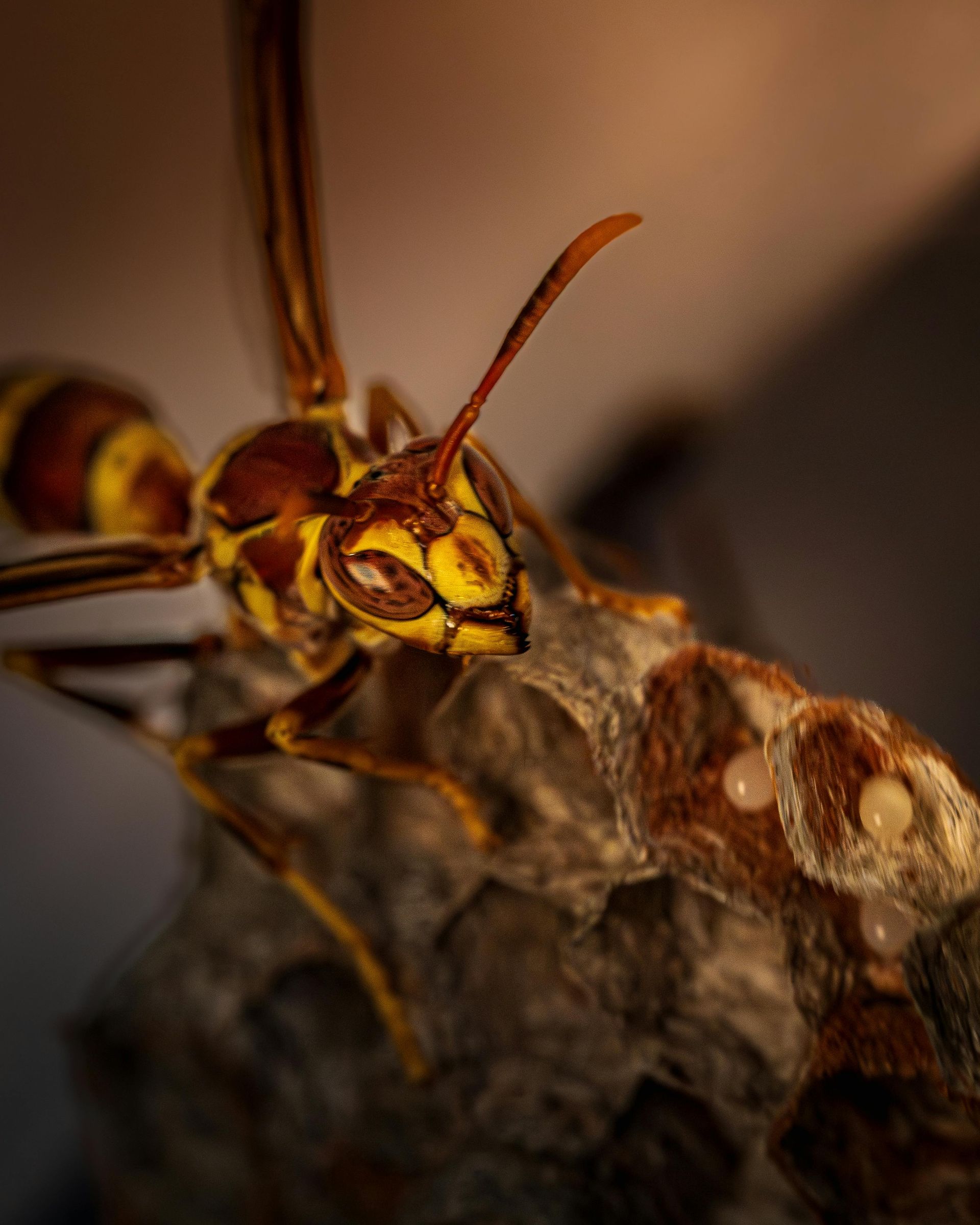
Longer days and warmer temperatures increase feeding and reproduction for many pests. Mosquitoes may gather near shaded water sources, wasps and hornets may expand nests around eaves or protected structures, and fleas can become more active around pets, lawns, and wildlife routes.
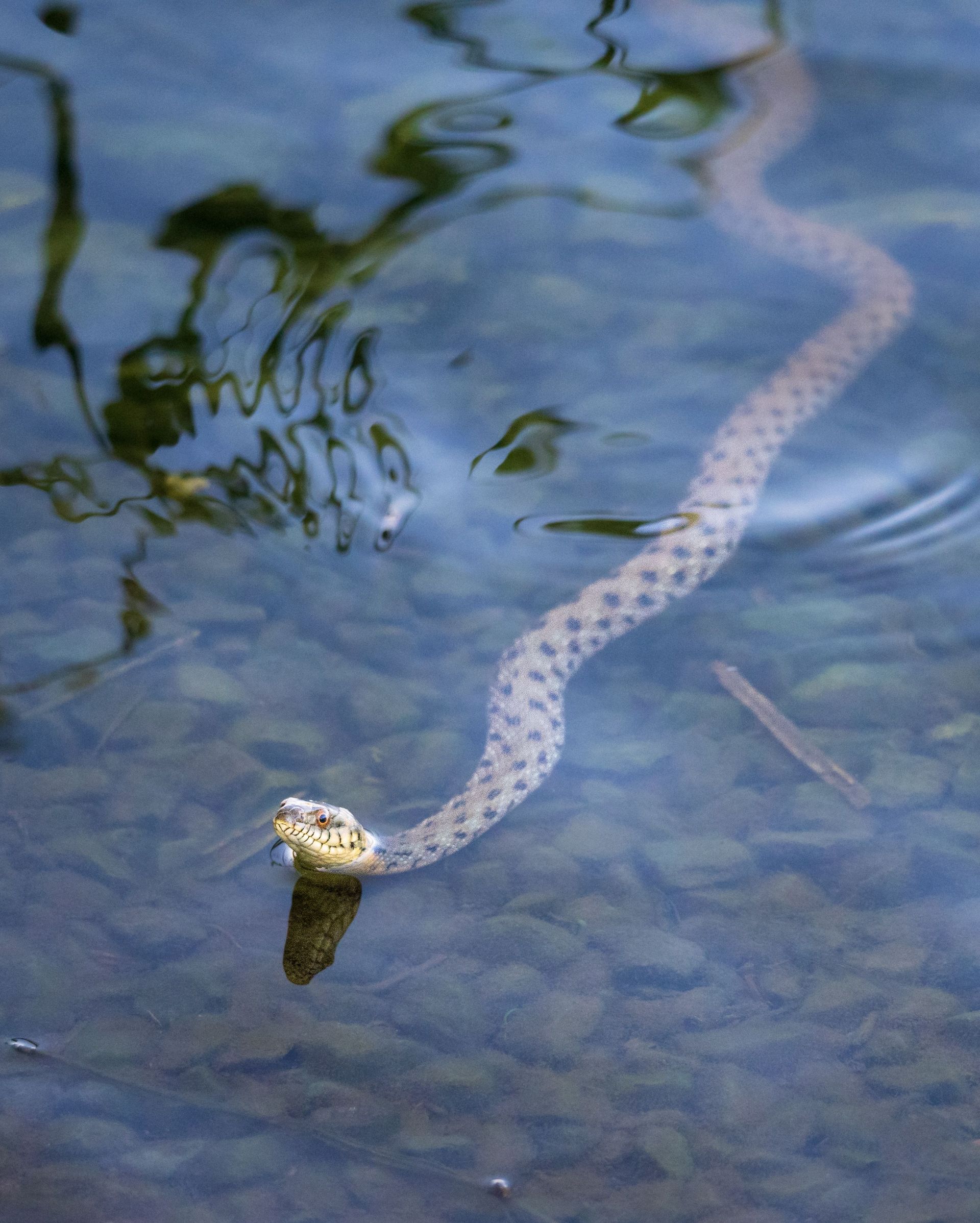
A seasonal pest plan is useful because summer conditions do not affect every property in the same way. Irrigated yards may stay damp, while exposed areas become hot and dry. Ants may search for water indoors, spiders may follow insects toward exterior lighting, and snakes may use cool spaces beneath decks, rocks, or sheds.
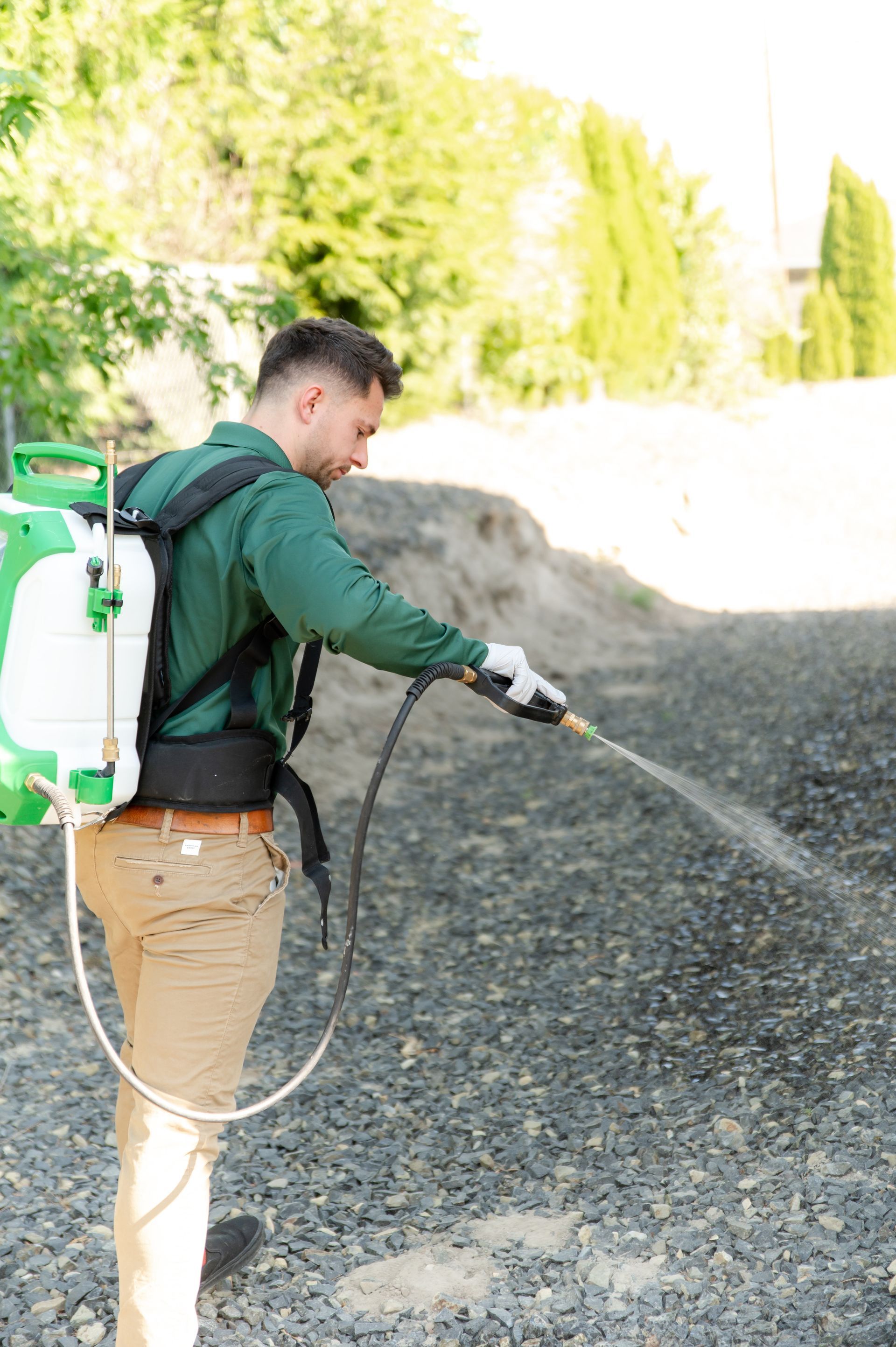
Technicians review active zones, recent weather, yard use, and earlier findings before adjusting treatment. This keeps service connected to current evidence rather than relying on a one-size-fits-all summer application.
Reduce Shelter Around The Property Exterior
Pests remain near buildings when the exterior provides moisture, shade, food, and concealed access. Dense shrubs, wood piles, storage items, outdoor furniture, and under-deck spaces can create protected zones that are difficult to inspect. These areas may support insects, rodents, or snakes while placing them close to doors, garages, crawl spaces, and foundations.
Exterior prevention may involve:
- Keeping shrubs and groundcover from pressing against the structure
- Storing firewood and materials away from walls and damp soil
- Removing unnecessary clutter from patios, sheds, and side yards
- Managing standing water near irrigation, pet areas, and outdoor equipment
- Monitoring fence lines and shaded edges for repeated pest movement
These changes support professional treatment but do not replace identification. A technician can determine which conditions are relevant to the pest present and which areas do not require intervention.
Watch How Weather Changes Pest Movement
Pacific Northwest weather can shift quickly. Heavy rain may flood ant or rodent nesting areas, heat can drive pests toward shade and indoor moisture, and wind or cold may change where insects and animals shelter. Understanding weather-driven activity helps explain why sightings may appear suddenly after a storm or temperature swing.
A weather-aware inspection may include:
- Reviewing damp mulch, drainage edges, and foundation-adjacent soil
- Checking shaded foliage for mosquitoes, fleas, spiders, or nesting insects
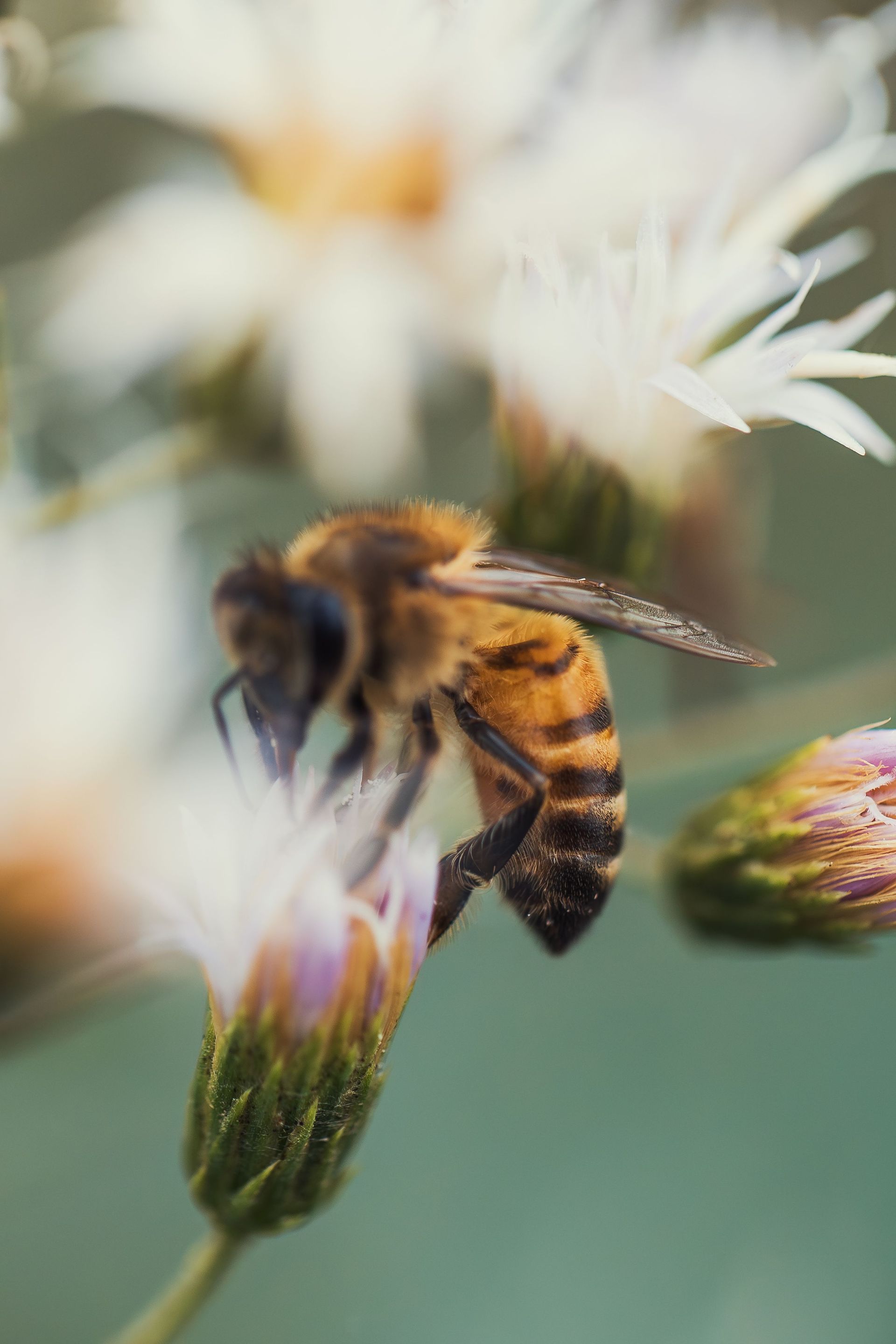
- Inspecting roof overhangs and protected corners for wasps, hornets, or bees
- Looking for rodent entry points around garages, vents, and utility lines
- Evaluating under-deck and storage areas where snakes may seek cover
Seasonal weather does not automatically mean treatment is needed everywhere. Professionals use these patterns to locate pressure zones, confirm activity, and choose precise placement.
Maintain Protection Through Fall And Winter
Cooler weather often pushes pests toward stable indoor shelter. Rodents may investigate rooflines, garages, crawl spaces, and utility openings. Spiders and ants can remain active in protected areas, while earlier wasp nests or exterior pest evidence may reveal gaps that should be addressed before winter.
Long-term pest control combines monitoring, exclusion, targeted treatment, and follow-up. Technicians can reinforce exterior barriers, recheck known hotspots, and recommend repairs after active routes are understood. Regular visits also create a service record that shows whether activity is seasonal, recurring, or connected to a structural condition.
Homeowners should continue managing food, waste, pet-feeding areas, moisture, and storage throughout the colder months. However, professional oversight adds the inspection knowledge needed to connect these conditions with actual pest evidence.
The strongest year-round plan changes with the property. Rainfall, irrigation, vegetation, outdoor activity, and building wear can create new risks between visits. A responsive program keeps treatment focused, adjusts timing when needed, and addresses pests before they become established indoors.
Keep Every Season From Becoming Pest Season
Contact Bamboo Pest Control for professional inspection, targeted pest control, exclusion guidance, and year-round follow-up shaped around Pacific Northwest conditions.