Rain Creates New Pest Opportunities
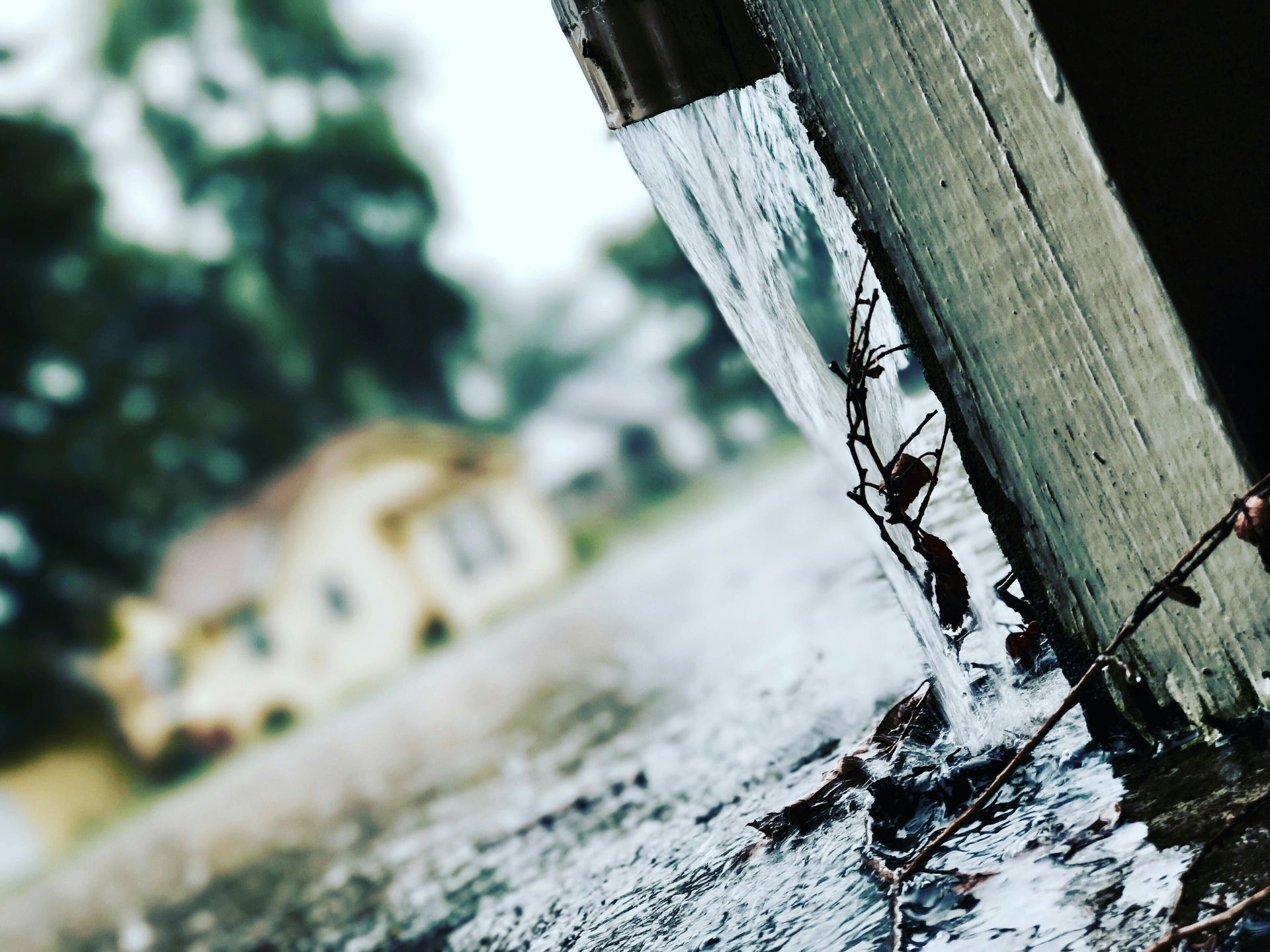
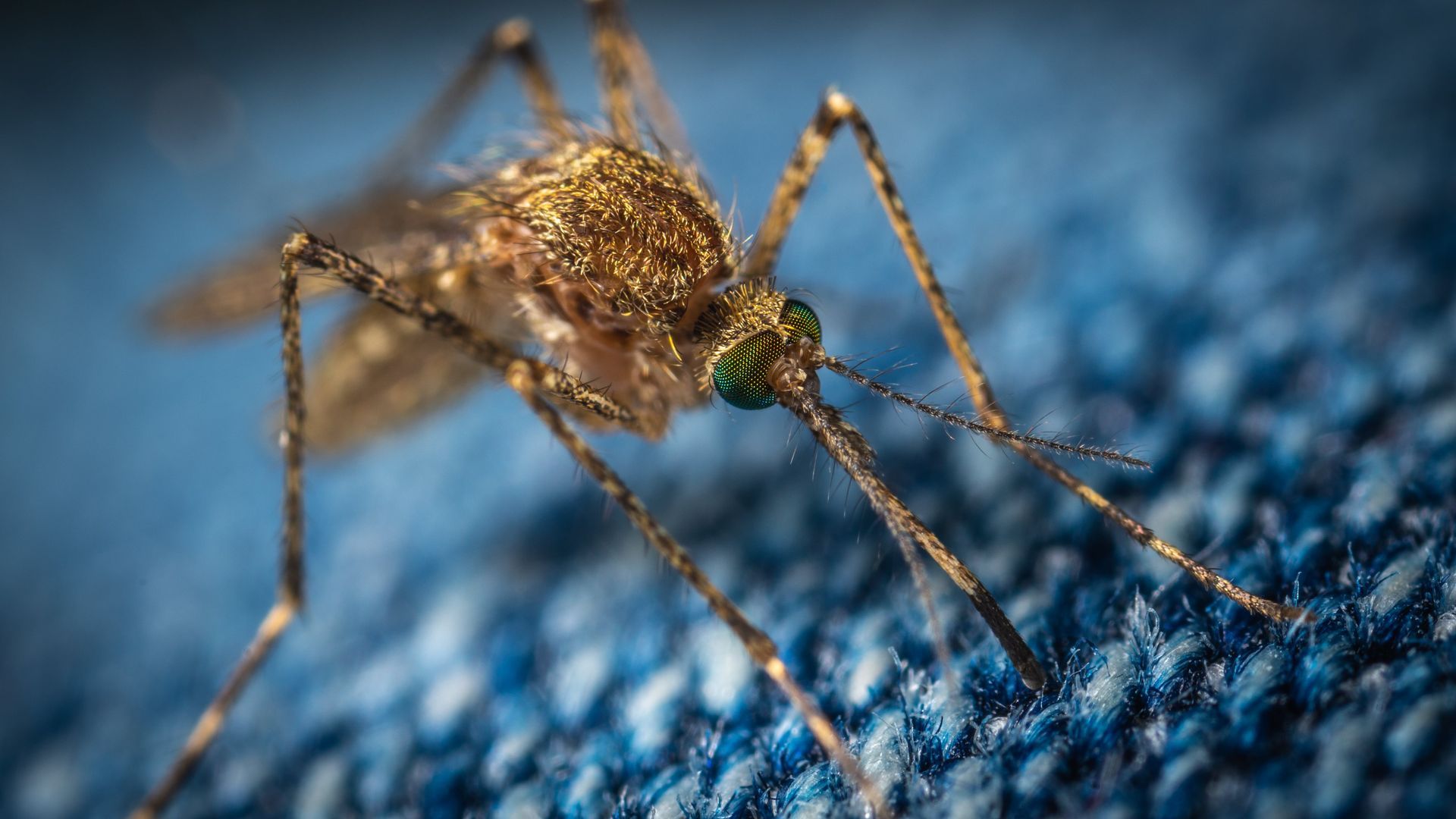
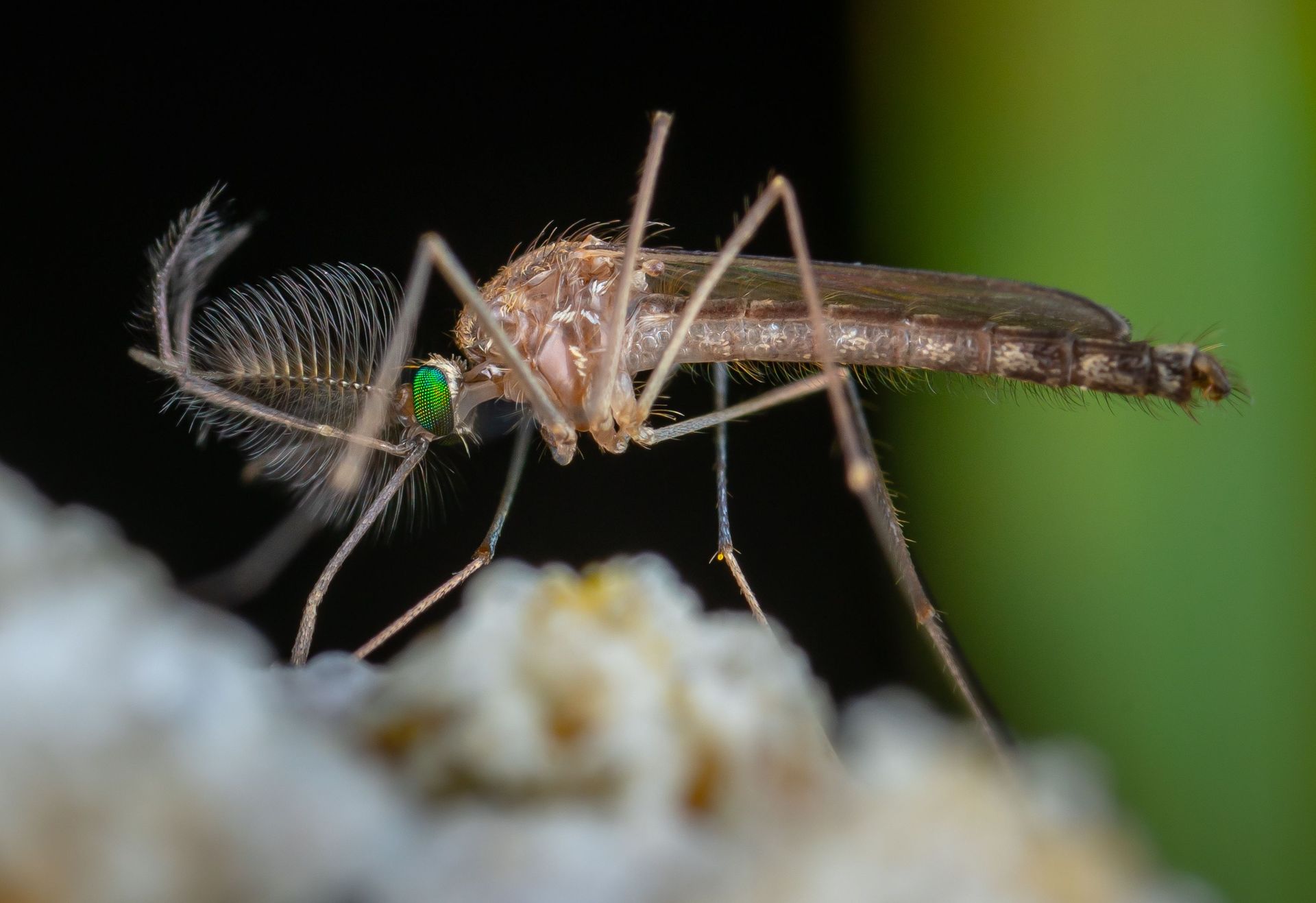
Rain can refresh plants and lawns, but it can also create pest-friendly conditions. Wet soil, puddles, clogged drains, damp mulch, and shaded water pockets can support insects and attract pests that feed on them. Mosquitoes are especially tied to water, while ants and rodents may move when nests are disturbed.
- Standing water can support mosquito development near patios, planters, and drains.
- Wet mulch can shelter ants, spiders, fleas, and other small pests.
- Saturated soil may push ants or rodents toward drier shelter.
- Damp storage areas can become attractive to insects and nesting pests.
After storms, pest activity may increase near low spots, gutters, fence lines, and foundation edges. These areas often need closer review because they connect outdoor pressure to the structure.
Heat Changes Where Pests Travel
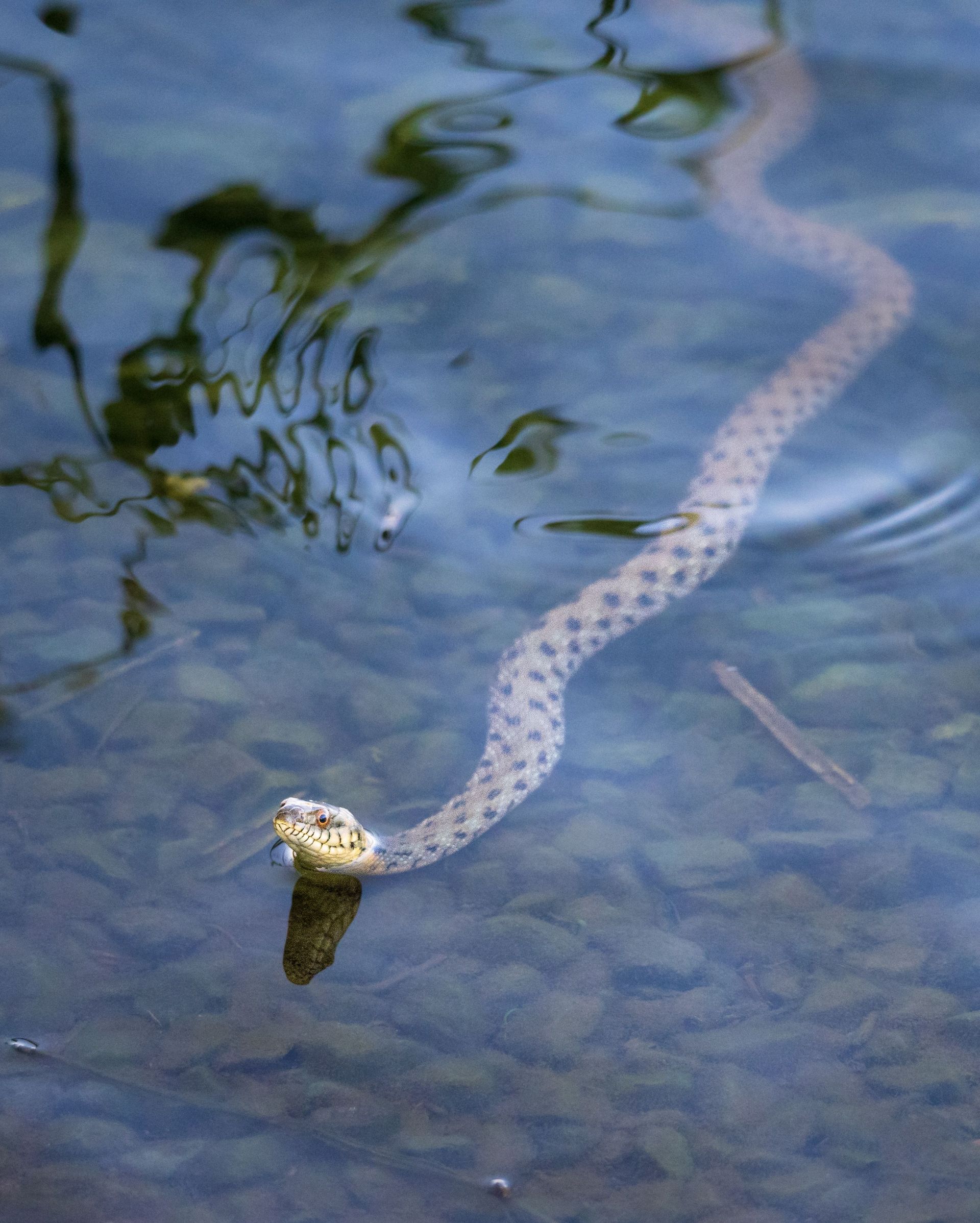
Hot weather affects pests in different ways. Some become more active, while others shift into cooler, shaded, or more protected places. Ants may forage more aggressively for food and water. Spiders may settle where insects gather. Rodents may travel along shaded walls. Snakes may appear near decks, rocks, sheds, or foundations where cover and prey are available.
Choosing the right help matters when weather patterns keep changing. A guide to local pest experts is useful because the service should account for local pest behavior, climate, property layout, and seasonal pressure. A one-size-fits-all approach may miss why pests are appearing in a specific yard.
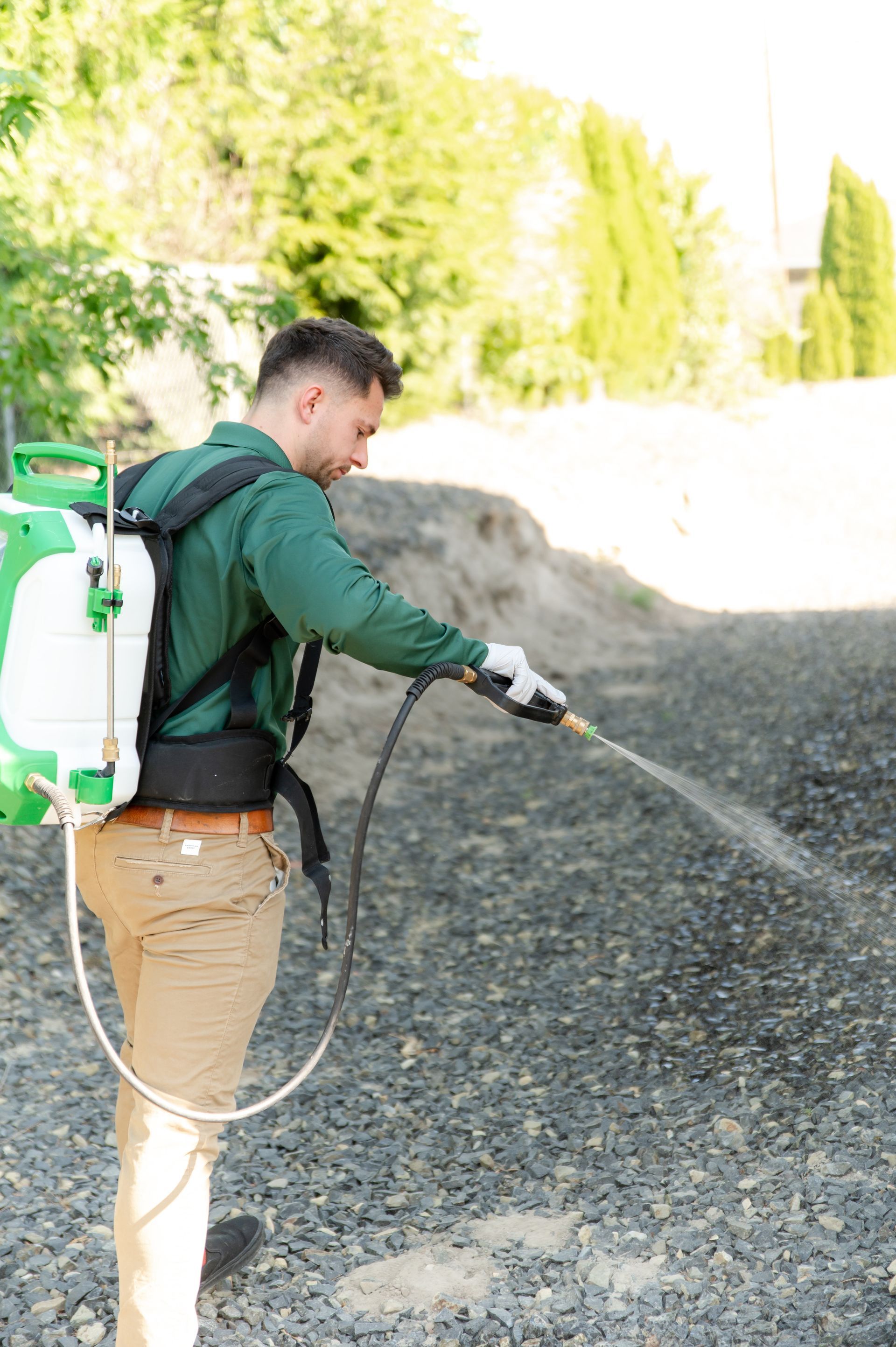
Professional evaluation helps separate normal seasonal movement from activity that needs treatment, exclusion, or follow-up.
Shade And Shelter Keep Activity Close
Shade can make a yard more comfortable for people, but it can also help pests stay near the home. Dense shrubs, stacked materials, under-deck spaces, tall grass, outdoor furniture, and wood piles can protect pests from heat, wind, and predators. These areas may become resting, nesting, or travel zones.
- Dense plants can hold humidity and hide ants, spiders, mosquitoes, and fleas.
- Wood piles and stored items may shelter rodents, snakes, and insects.
- Under-deck spaces can provide cool cover during hot weather.
- Fence lines may become travel routes for pests moving through the yard.
Shelter becomes more important when the weather is extreme. If the yard offers shade, moisture, food, and access points together, pests are more likely to remain close instead of simply passing through.
Seasonal Timing Helps Prevent Surprises
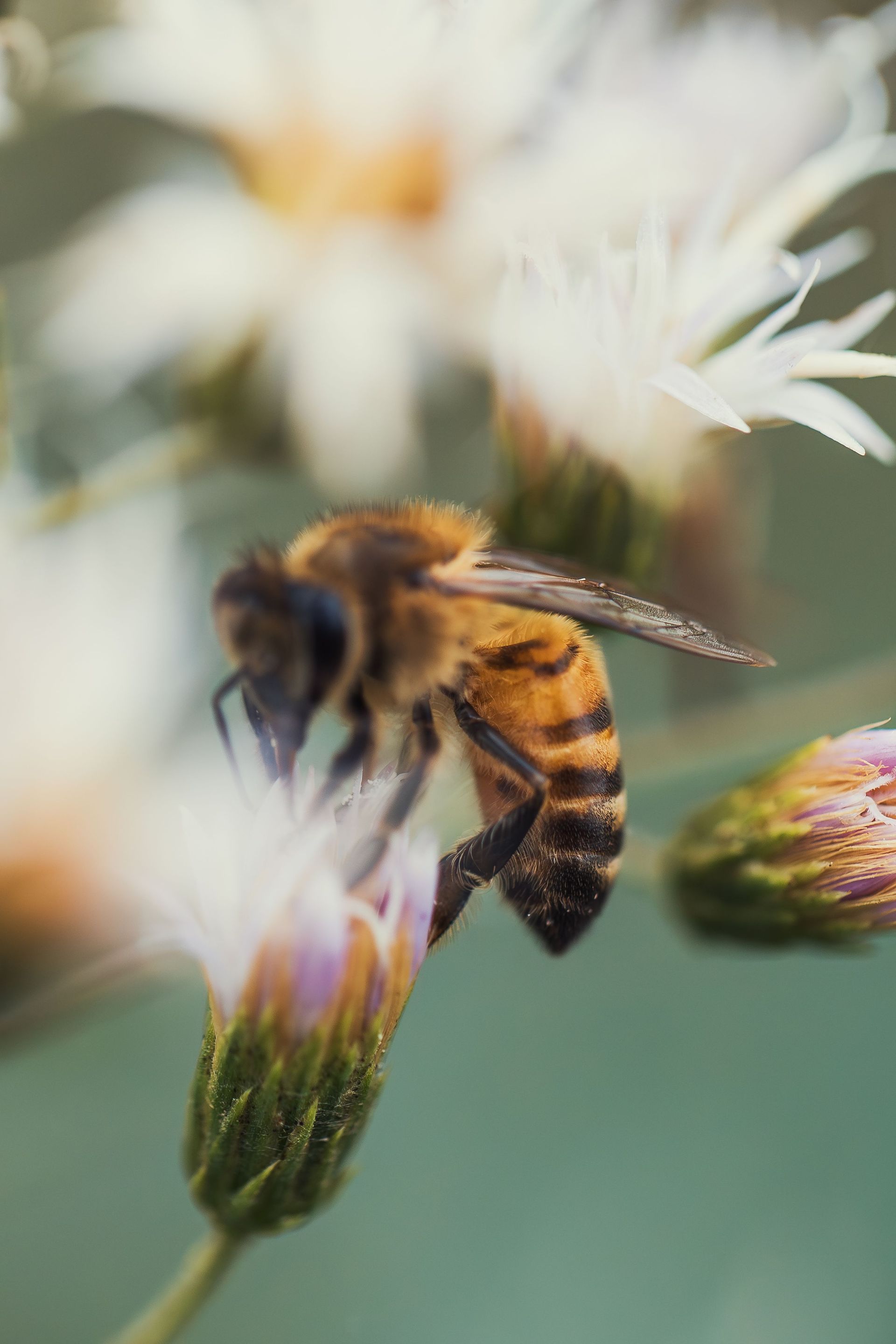
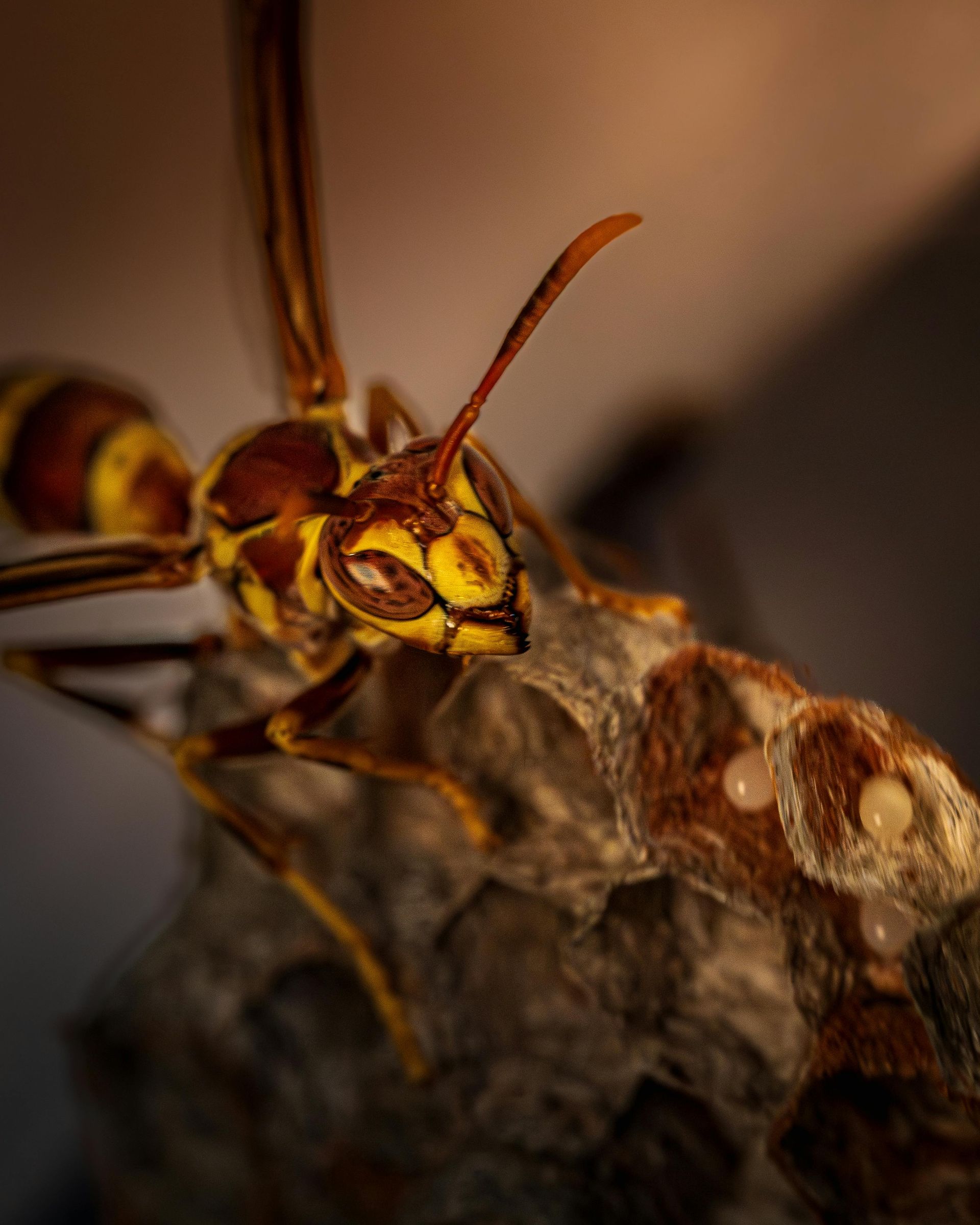
Spring and early summer often bring noticeable pest changes. Warmer temperatures, plant growth, rain, and longer outdoor activity can all increase movement around homes. Ants may begin trailing, wasps may become active around protected areas, mosquitoes may appear near water, and spiders may follow the rise in insect activity.
Seasonal spring pest planning helps homeowners understand why early attention is useful. Pests are easier to manage before nests grow, entry routes become active, or moisture issues continue for weeks.
Professional service also helps identify which pests are connected. For example, more insects near lights may lead to more spiders, while rodent activity can attract snakes. Seeing the full pattern makes treatment more precise.
Long-Term Yard Protection Depends On Weather Awareness
Weather will always influence pest activity, so long-term protection depends on monitoring the yard through changing conditions. Rain, irrigation, heat, wind, cold, and seasonal growth all affect where pests gather. A yard that is quiet in one month may become active the next when moisture, shelter, and food sources shift.
- Schedule inspection when pest activity returns after storms or heat waves.
- Watch gutters, drains, planters, sheds, patios, and shaded foundation areas.
- Track where ants, mosquitoes, rodents, spiders, snakes, wasps, fleas, or other listed pests appear.
- Use professional follow-up when the same pest zones repeat each season.
A weather-aware plan looks at the yard as a connected system. Moisture may support mosquitoes and ants. Shade may shelter spiders, fleas, and rodents. Stored materials may invite snakes or nesting pests. When inspection, treatment, prevention, and monitoring work together, pest control becomes more reliable through seasonal changes and less dependent on reacting after activity spreads indoors.
Keep Weather-Driven Pests From Settling In
For pest control that considers rain, heat, shade, moisture, seasonal activity, and recurring yard pressure, contact Bamboo Pest Control for professional support shaped around long-term home protection.