Heat Changes Where Snakes Move
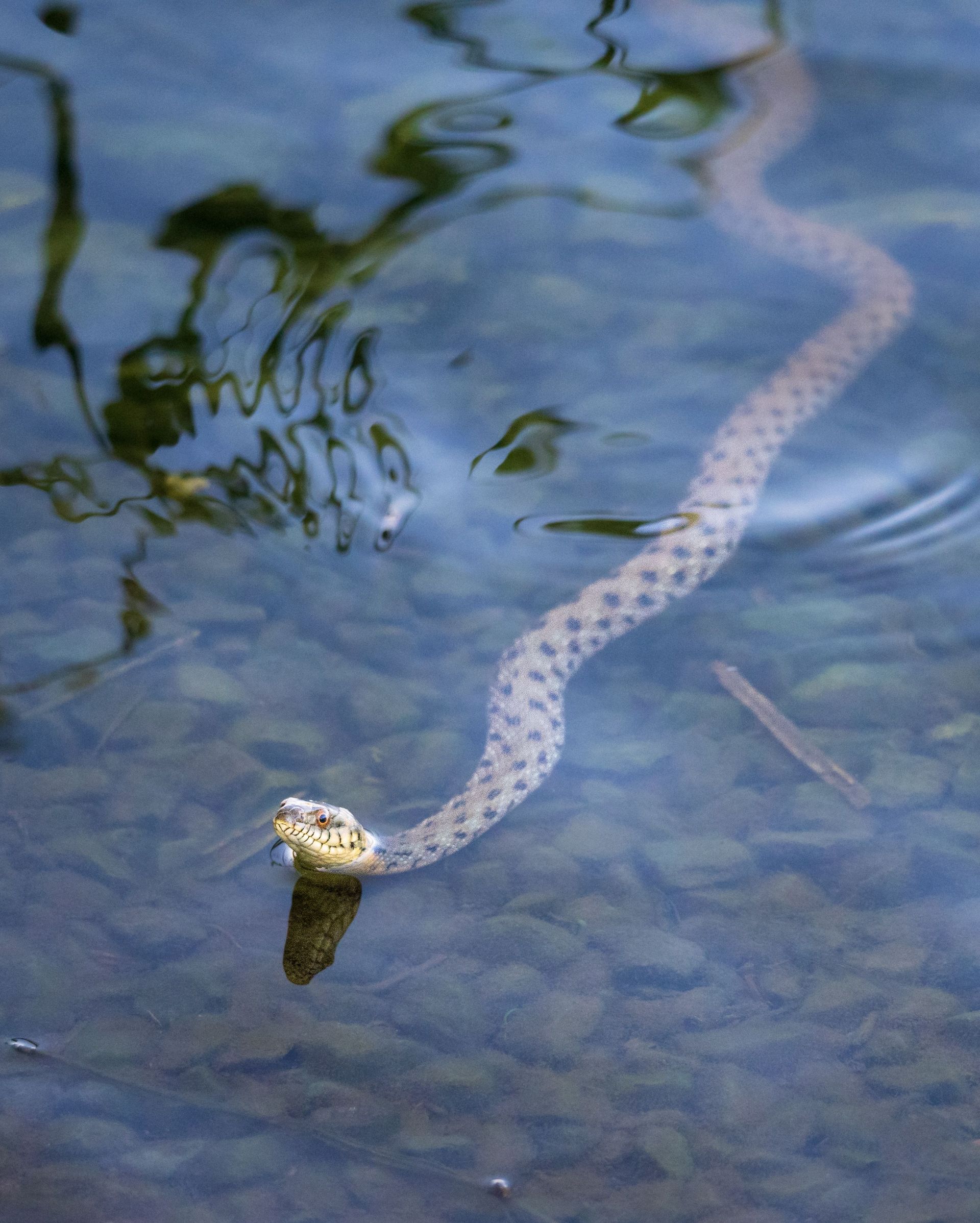
Snakes depend on external temperatures to regulate their bodies. During cooler parts of the day, they may bask in sunny areas. During extreme heat, they may move into shade, tall grass, garages, crawl space edges, decks, or storage areas where temperatures are more stable.
- Warm mornings can draw snakes onto rocks, pavement, and open lawn edges.
- Hot afternoons may push them under sheds, porches, and shaded landscaping.
- Evening hours can increase movement when temperatures become more comfortable.
- Stored materials and clutter can create cool spaces where snakes remain hidden.
This pattern makes summer sightings more common. A snake seen once may be passing through, but repeated sightings suggest that the property may be offering shelter, food, or access points that deserve professional evaluation.
Prey Activity Can Bring Snakes Closer
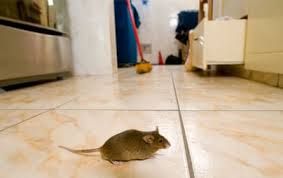
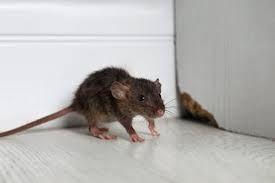
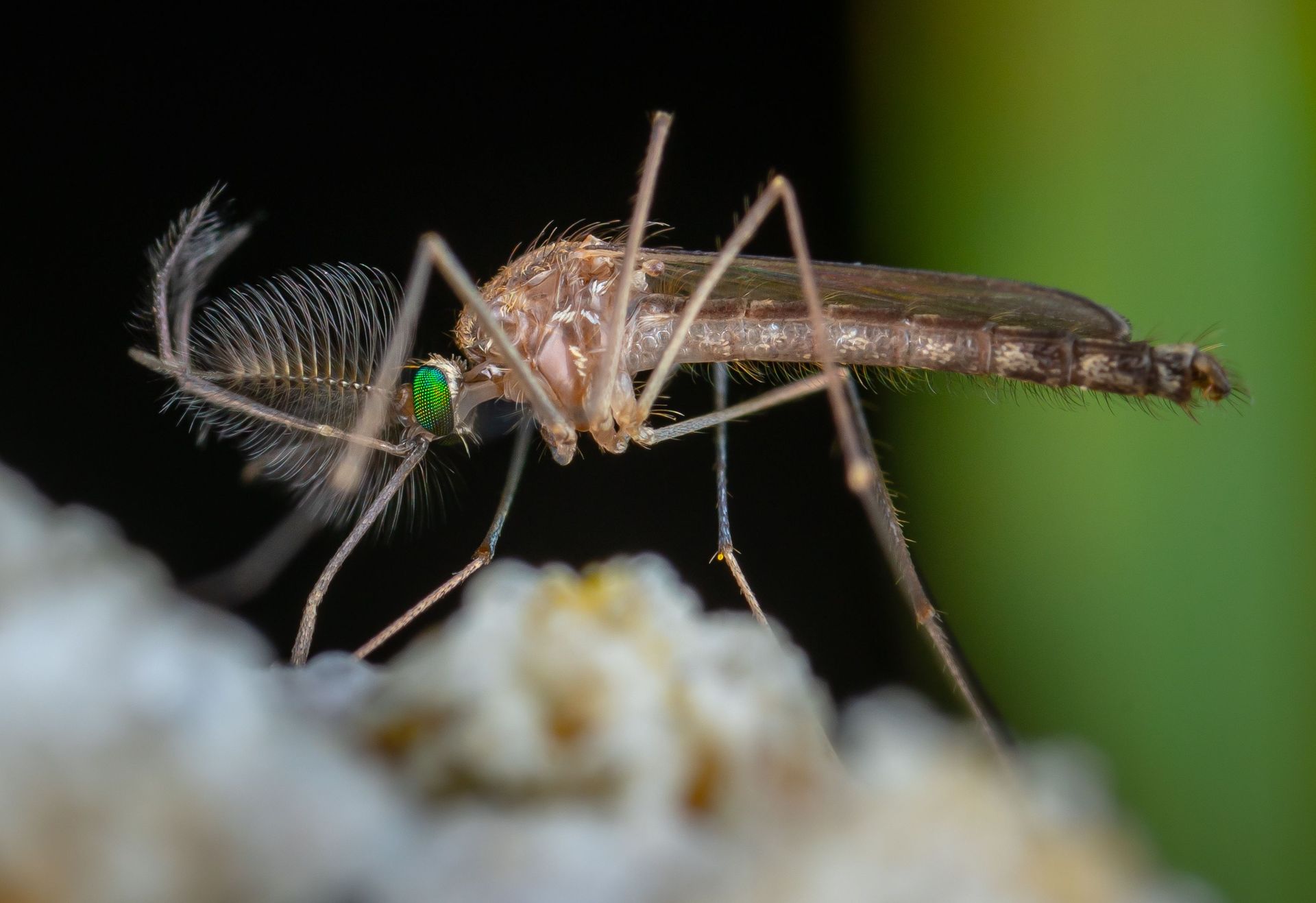
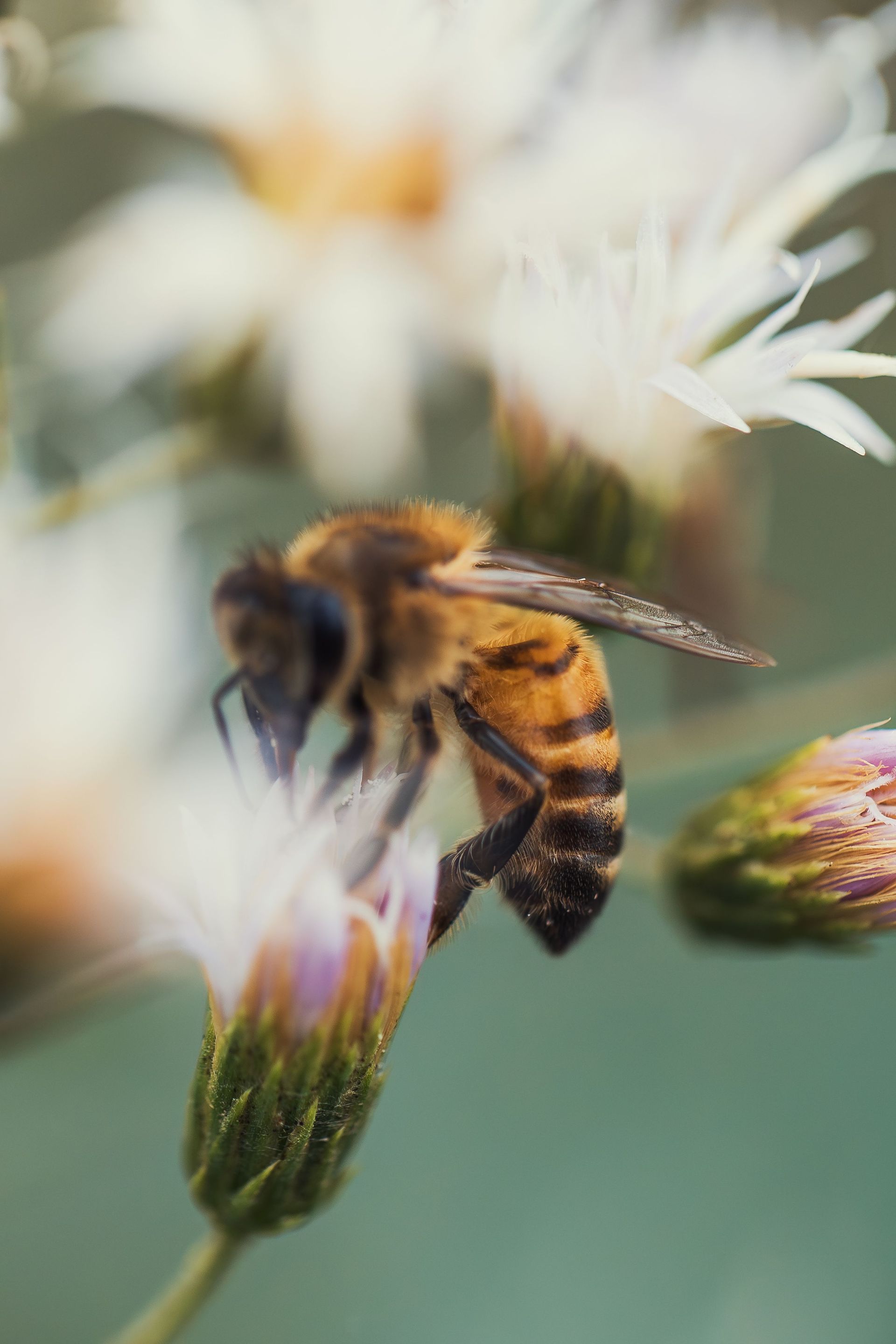
Snakes often follow food sources. Rodents are one of the most important attractions, but insects and other pests can also influence activity depending on the species. If a property has mice, rats, ants, spiders, fleas, mosquitoes, bees, hornets, or wasps around certain areas, the environment may be supporting a wider food chain.
When snake activity feels urgent or unsafe, understanding emergency pest service can help homeowners know why inspection, response timing, and source identification matter. A snake sighting near a doorway, garage, play area, or pet space should be handled with caution, especially when there may be hidden rodent activity nearby.
Professional inspection can help identify whether snakes are only passing through or whether the home’s exterior is supporting prey and shelter.
Yard Conditions Create Hidden Shelter
Summer yard growth can make a property more inviting to snakes. Tall grass, dense shrubs, wood piles, stacked materials, leaf buildup, and debris near fences can all provide cover. Snakes prefer places where they can move without being exposed, so cluttered and shaded areas are more likely to hold activity.
- Fence lines and retaining walls can create protected travel routes.
- Wood piles, boxes, and outdoor equipment may offer hiding spots.
- Dense shrubs near foundations can block visibility and hold cool air.
- Yard debris can attract insects and rodents that bring snakes closer.
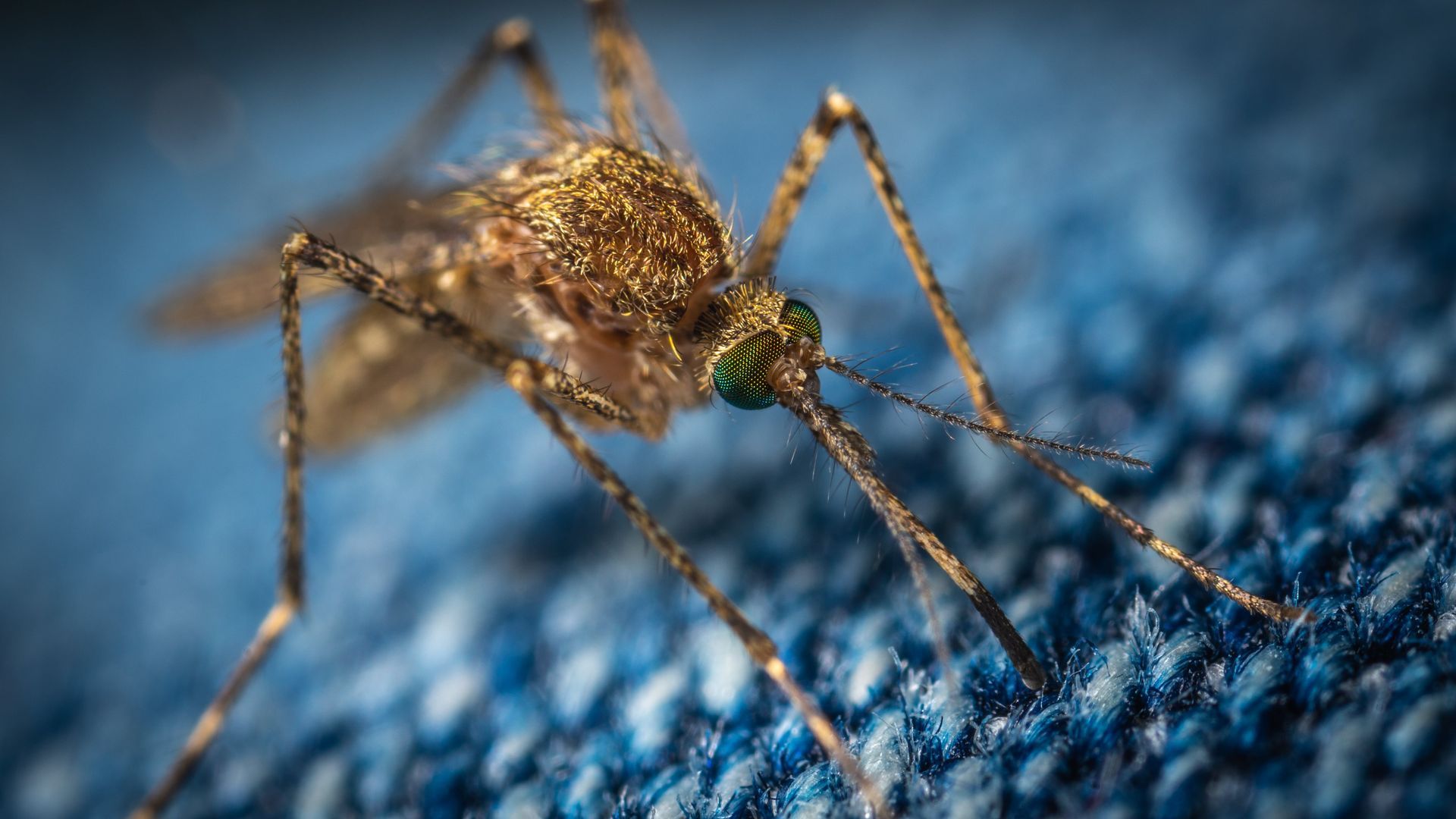
These conditions also matter for other pests. Rodents may nest in clutter, spiders may build in undisturbed corners, and mosquitoes may rest in shaded vegetation. Reducing shelter helps make the property less attractive overall.
Entry Points Increase Indoor Risk
Most snake concerns begin outside, but small openings can allow movement into garages, crawl spaces, basements, utility rooms, or storage areas. Gaps under doors, torn screens, foundation cracks, vents, and openings around pipes can create access. If rodents can enter, snakes may investigate the same areas while following scent or prey activity.
Preparing a property for professional service can make inspection and prevention more effective. Guidance on home preparation is helpful because clear access, noted sightings, and visible concern areas allow technicians to evaluate the property more accurately.
Entry-point review should be handled carefully. The goal is not only to close gaps but also to understand what is drawing snakes toward those openings in the first place.
Long-Term Prevention Requires A Whole-Property View
Snake prevention is most effective when the property is reviewed as one connected system. The yard, exterior walls, garage, crawl space, storage areas, rodent pressure, insect activity, and seasonal weather all work together. A one-time reaction to a sighting may not address the reason snakes are appearing.
- Schedule inspection when sightings repeat or occur near high-use areas.
- Monitor rodent evidence, including droppings, gnaw marks, and nesting material.
- Keep grass, shrubs, and exterior storage managed around the home.
- Use professional guidance when snake activity appears near pets, children, or entry points.
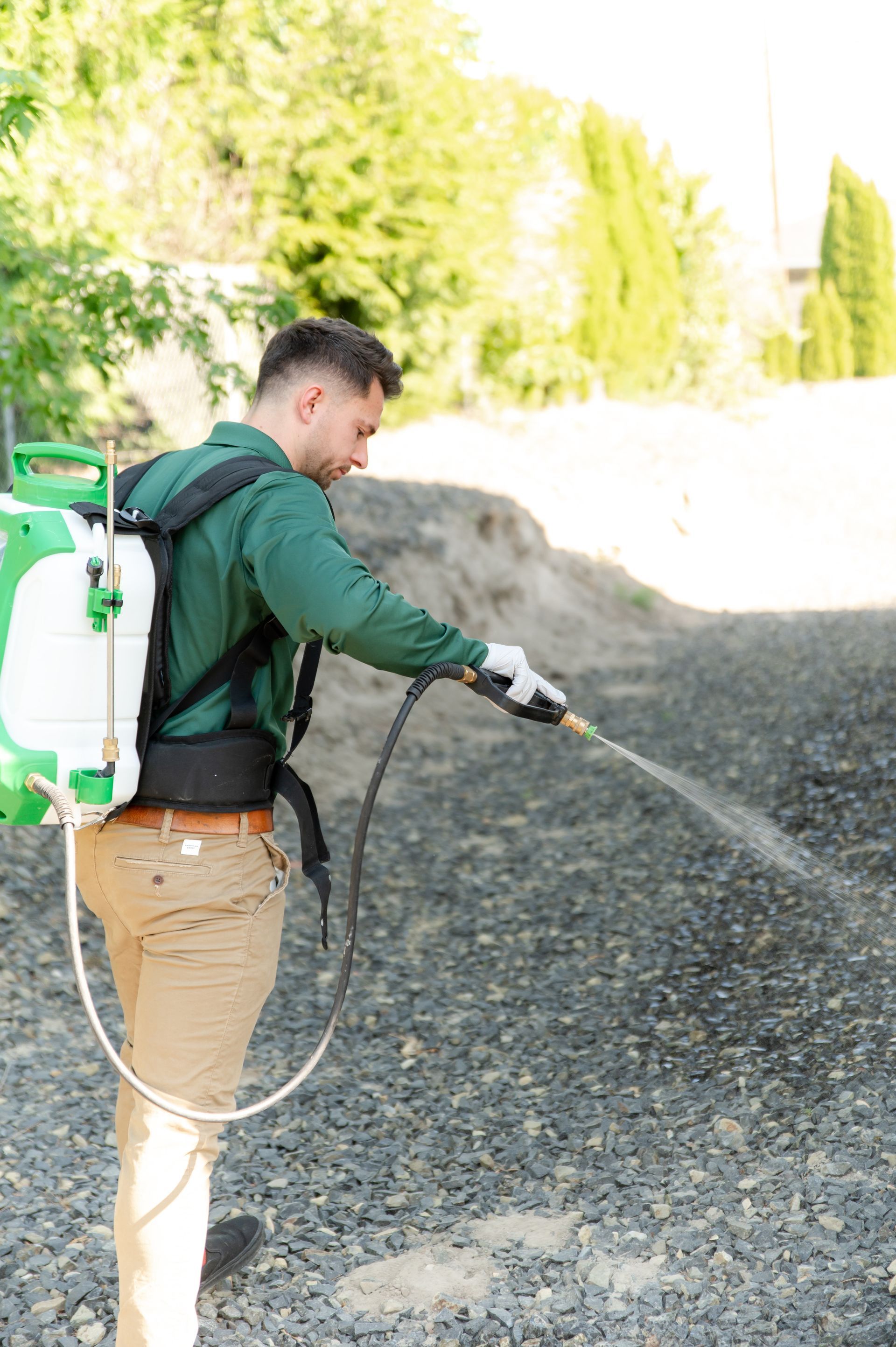
A professional plan can consider snakes along with ants, spiders, rodents, fleas, hornets, wasps, mosquitoes, bees, and related household pest concerns. By reducing prey, shelter, moisture, and access points, homeowners can make the property less attractive during hot weather. That source-based approach reduces the chance that summer sightings become a recurring concern.
Make Summer Snake Sightings Less Likely
For snake prevention that considers heat patterns, rodent pressure, hiding places, entry points, and the wider pest activity around your home, contact Bamboo Pest Control for professional support shaped around safer, smarter property protection.