Northwest Lawn Conditions Can Support Biting Pests
Summer conditions across Northwest properties can give fleas and ticks more opportunities to survive. Warm days, shaded soil, dense landscaping, and regular watering can create protected zones where pests remain active longer than expected. Pet movement can carry that pressure indoors.
- Shade helps fleas and ticks avoid drying out during hot parts of the day.
- Moist grass and mulch can create favorable hiding spaces near patios and foundations.
- Pets can carry fleas from lawns, parks, kennels, trails, or neighboring yards.
- Tall grass and overgrown borders can give ticks better access to passing hosts.
- Outdoor furniture and play areas may sit near pest-prone vegetation without being noticed.
This is why lawn-focused pest concerns should not be separated from household comfort. When pets scratch more often or bites appear after time outside, the lawn may need closer evaluation. Flea activity can also continue indoors if eggs, larvae, or pupae are already present in carpets or furniture.
Pets, Patios, And Entry Points Connect The Problem
Flea and tick activity often follows the places people and pets use most. A dog resting under a shaded deck, a cat moving through foundation landscaping, or children playing near tall grass can all connect outdoor pest pressure to indoor spaces. The path is usually repeated, an ordinary movement that allows pests to spread.
- Pet bedding can collect flea eggs and debris if activity has reached indoor areas.
- Door thresholds may become transfer points when pets move in and out repeatedly.
- Patio cracks and deck edges can hold protected resting areas near the home.
- Crawl spaces, sheds, and garages may provide quiet shelter when pests or host animals move nearby.
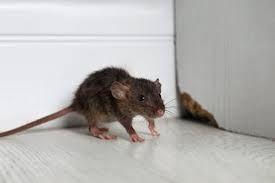
- Rodents can influence flea pressure when they travel close to the structure.
Professional evaluation matters because the visible sign may not reveal the source. A few fleas on a pet may connect to shaded grass, indoor fabrics, or rodent movement near the home. Ticks seen after yard time may point to vegetation, fence lines, or brushy edges.
Some situations need faster help when activity feels sudden or disruptive. Guidance on emergency services can help homeowners understand what to expect when a pest issue needs timely inspection and a more direct response.
Treatment Works Best When The Whole Property Is Reviewed
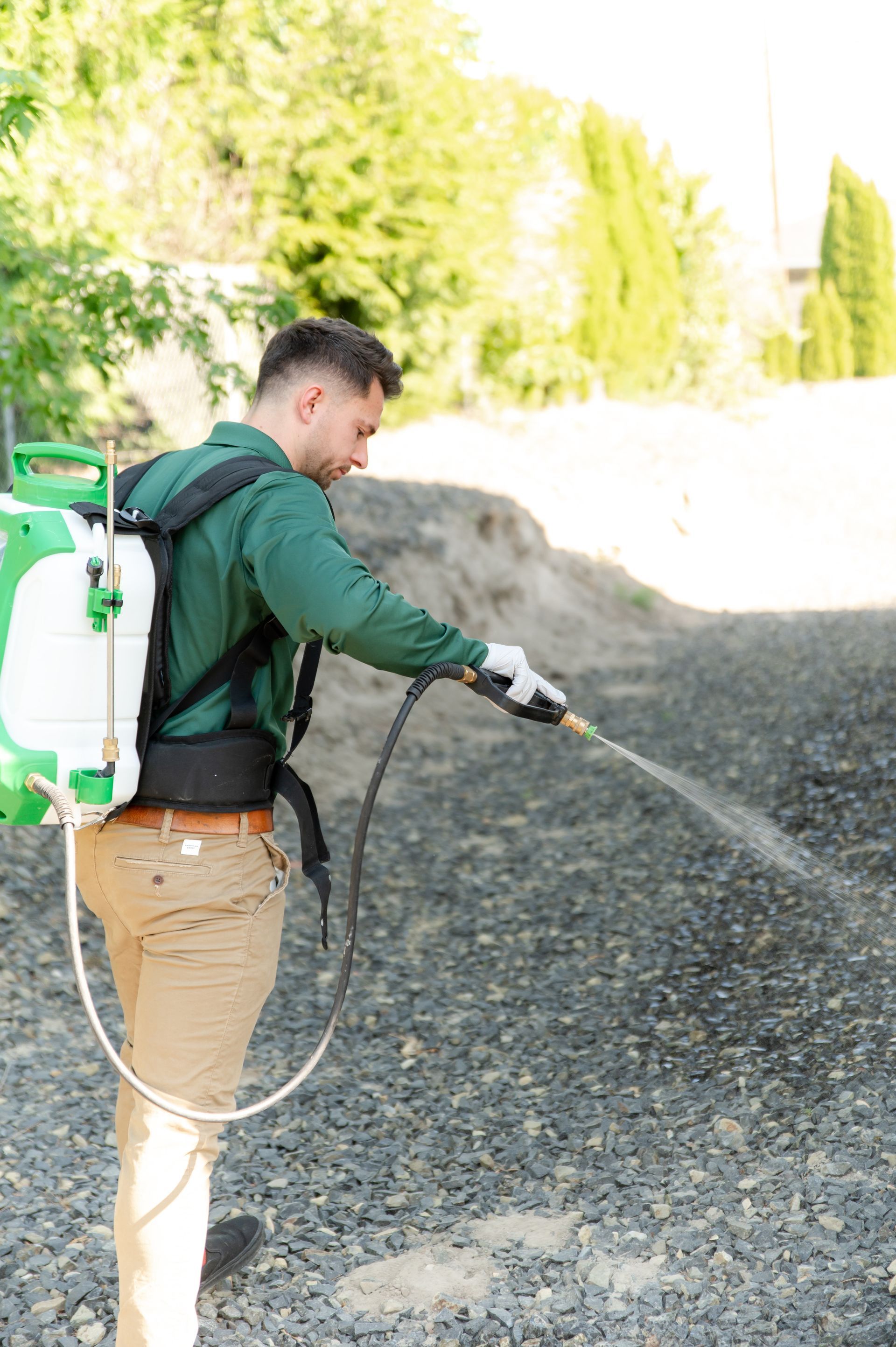
Flea and tick control is most effective when it considers the entire property. A one-time product used in one area may miss the routes pests use between grass, pets, patios, and indoor rooms. A more complete plan reviews lawn conditions, household activity, pest identification, and follow-up needs.
- Inspection helps determine where flea or tick pressure is most likely developing.
- Targeted treatment focuses on pest-prone areas instead of random application.
- Pet-friendly planning considers household routines, drying times, and service instructions.
- Follow-up review helps measure whether activity is declining or shifting.
- Prevention guidance reduces conditions that allow pests to return.
A broader service model that emphasizes inspection, customized treatment, and ongoing prevention can be helpful for lawns, where weather and pet habits change quickly. Preparing the home properly also supports better results. For service readiness, home preparation can help homeowners understand how access, cleaning, pets, and communication affect the treatment process.
Long-Term Lawn Comfort Requires Consistent Prevention
Flea and tick risks can return when the conditions that support them remain in place. Dense grass, shaded corners, damp mulch, rodent movement, and frequent pet traffic can keep pressure active even after visible signs improve. Long-term protection depends on monitoring the yard and adjusting the plan as the season changes.
Professional service helps connect the details. It can identify where pests are likely resting, where pets may be picking them up, and which parts of the lawn need more attention. That planning is useful in Northwest neighborhoods where lawns, trails, trees, and outdoor living spaces are part of everyday life.
The goal is not to make the yard feel overmanaged. It is to make it safer, calmer, and more comfortable for people and pets. When inspection, targeted treatment, and prevention work together, homeowners get a clearer path beyond repeated short-term reactions.
Keep The Lawn Comfortable Beyond Summer
Fleas and ticks can make outdoor time stressful, especially when pets and family members use the lawn every day. For professional flea treatment, mosquito service, ant management, spider treatment, rodent service, hornet and wasp removal, and preventive pest protection, contact Bamboo Pest Control for professional services.