Check Pets And Their Favorite Areas Regularly
Early detection matters because a small flea population can grow quickly, and ticks may remain hidden beneath fur. Pet owners should pay close attention after outdoor activity, especially when animals have moved through tall grass, brush, leaf litter, or shaded landscape edges.
Useful checks include:
- Inspecting around the ears, neck, legs, paws, tail, and belly after outdoor time.
- Watching for increased scratching, biting, licking, restlessness, or skin irritation.
- Examining bedding, blankets, crates, and furniture for flea debris or live insects.
- Noting ticks found after visits to parks, trails, kennels, or neighboring yards.
- Asking a veterinarian about suitable, species-specific preventive care.
Finding a flea or tick does not show where exposure occurred. The source may involve the lawn, an indoor resting area, wildlife movement, or another location the pet visits. Household observation should continue even when the animal receives veterinary treatment.
Connect Seasonal Prevention With Pet Routines
Flea and tick pressure changes with temperature, moisture, vegetation, and animal activity. Warm periods can increase movement and reproduction, while shaded, humid areas may remain favorable even when open parts of the yard feel dry.
A structured approach to seasonal pest planning helps keep service aligned with changing conditions. Spring growth may create fresh hiding areas, summer pet traffic can move pests between the yard and home, and fall wildlife activity may introduce hosts near foundations, sheds, or garages.
Professional inspection adds context to these patterns. A technician can review pet pathways, landscape conditions, indoor fabrics, and previous problem areas before recommending treatment.
Reduce Outdoor Conditions That Support Fleas And Ticks
Fleas and ticks often concentrate where shade, moisture, vegetation, hosts, and limited disturbance overlap. A tidy lawn does not guarantee they are absent, but thoughtful maintenance can make certain areas less supportive.
Pet owners should consider:
- Keeping grass, brush, and landscape borders around high-use areas maintained.
- Removing leaf piles, yard debris, and clutter that create protected hiding places.
- Checking shaded soil, mulch, decks, patios, and fence lines for recurring activity.
- Limiting pet access to wildlife-resting areas when evidence is present.
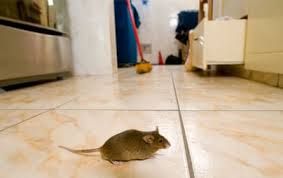
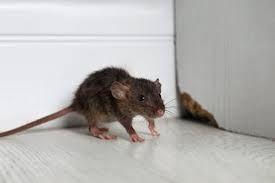
- Reporting rodent activity that may contribute to flea pressure near the structure.
Outdoor changes should support, not replace, accurate identification. Fleas can move between animals, resting sites, and indoor fabrics, while ticks rely more heavily on vegetation and passing hosts. A professional plan accounts for these differences.
Treat The Yard And Home As One Connected Environment
Pets repeatedly move between lawns, entryways, furniture, bedding, and sleeping areas. This creates a pathway that can carry flea eggs and adults indoors or expose animals to ticks near vegetation. Focusing on one room or one patch of lawn may leave another part of the cycle active.
The discussion of Northwest lawn risks explains how shade, damp soil, dense landscaping, pet traffic, patios, and outdoor hosts can support activity. Flea treatment may need to address indoor living spaces, outdoor problem areas, yard perimeters, and pet-resting zones. Follow-up is often important because eggs, larvae, pupae, and adults do not respond in the same way or emerge at the same time.
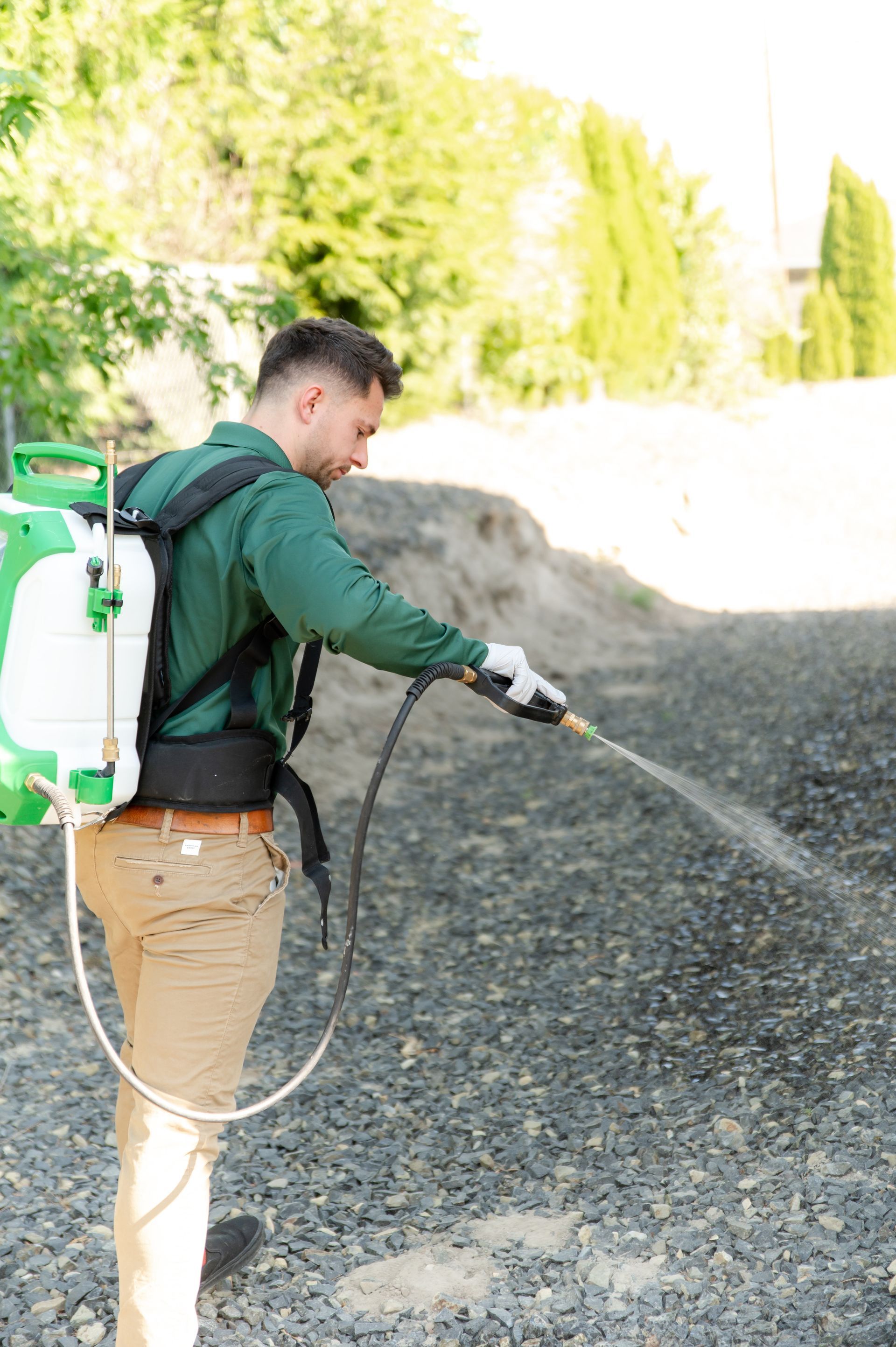
A technician can also provide preparation and drying instructions that fit household routines. Pet-friendly planning means considering where animals eat, sleep, and play, then keeping them away from treated areas for the instructed period.
Build Long-Term Protection Around The Full Life Cycle
Reliable flea and tick control is rarely based on a one-time response. Flea eggs can fall into carpets, upholstery, cracks, and bedding, while later life stages may remain protected until conditions trigger emergence. Ticks may return from vegetation, wildlife routes, or frequently visited outdoor spaces.
A long-term plan may involve:
- Identifying indoor and outdoor areas with the strongest evidence of activity.
- Applying targeted treatment to appropriate living spaces and yard zones.
- Coordinating property service with veterinarian-directed pet protection.
- Monitoring pet-resting areas, vegetation, and previously active locations.
- Scheduling follow-up when the pest life cycle justifies another visit.
Professional pest control helps connect details that are easy to separate. A scratching pet, fleas in furniture, ticks near a fence line, and rodent movement around a shed may be parts of one property-wide concern.
No service can control every exposure a pet encounters away from home. However, inspection, targeted treatment, preventive care, and continued monitoring can reduce the conditions that allow fleas and ticks to become established.
Protect Every Step From Yard To Bed
Recurring fleas or ticks deserve a plan that includes the pet, home, and landscape. Contact Bamboo Pest Control for professional inspection, targeted treatment, pet-friendly guidance, and long-term pest control.