Why Ant Activity Increases in Spring
Understanding why ants become more active during spring is essential for building an effective ant prevention strategy. Seasonal changes trigger behaviors that make infestations more likely.
- Warmer temperatures. Rising soil temperatures stimulate colony movement and expansion.
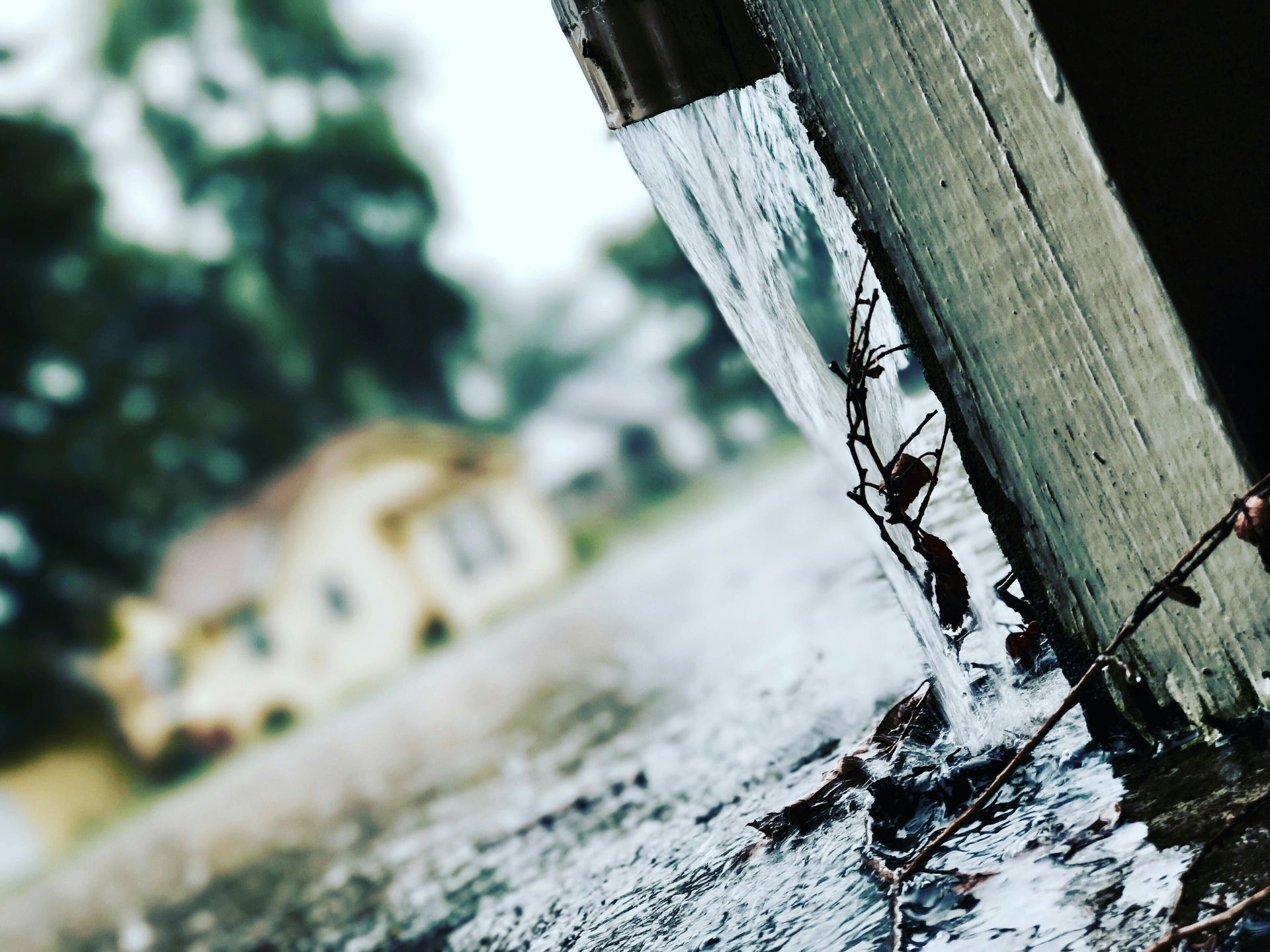
- Increased moisture. Spring rain creates ideal conditions for nesting and foraging.
- Food availability. Ants search aggressively for food to support colony growth.
- Reproductive cycles. Colonies produce new members, increasing overall activity.
- Structural access. Small openings allow ants to enter in search of resources.
As explored in our resource about spring ant activity, these conditions combine to create a surge in ant presence during this time of year.
Recognizing these patterns allows property owners to take preventive action before infestations become widespread.
Core Pest Control Services That Support Ant Prevention
Effective ant prevention relies on a combination of services that target both visible activity and hidden colonies. Each service plays a role in reducing risk and maintaining control.
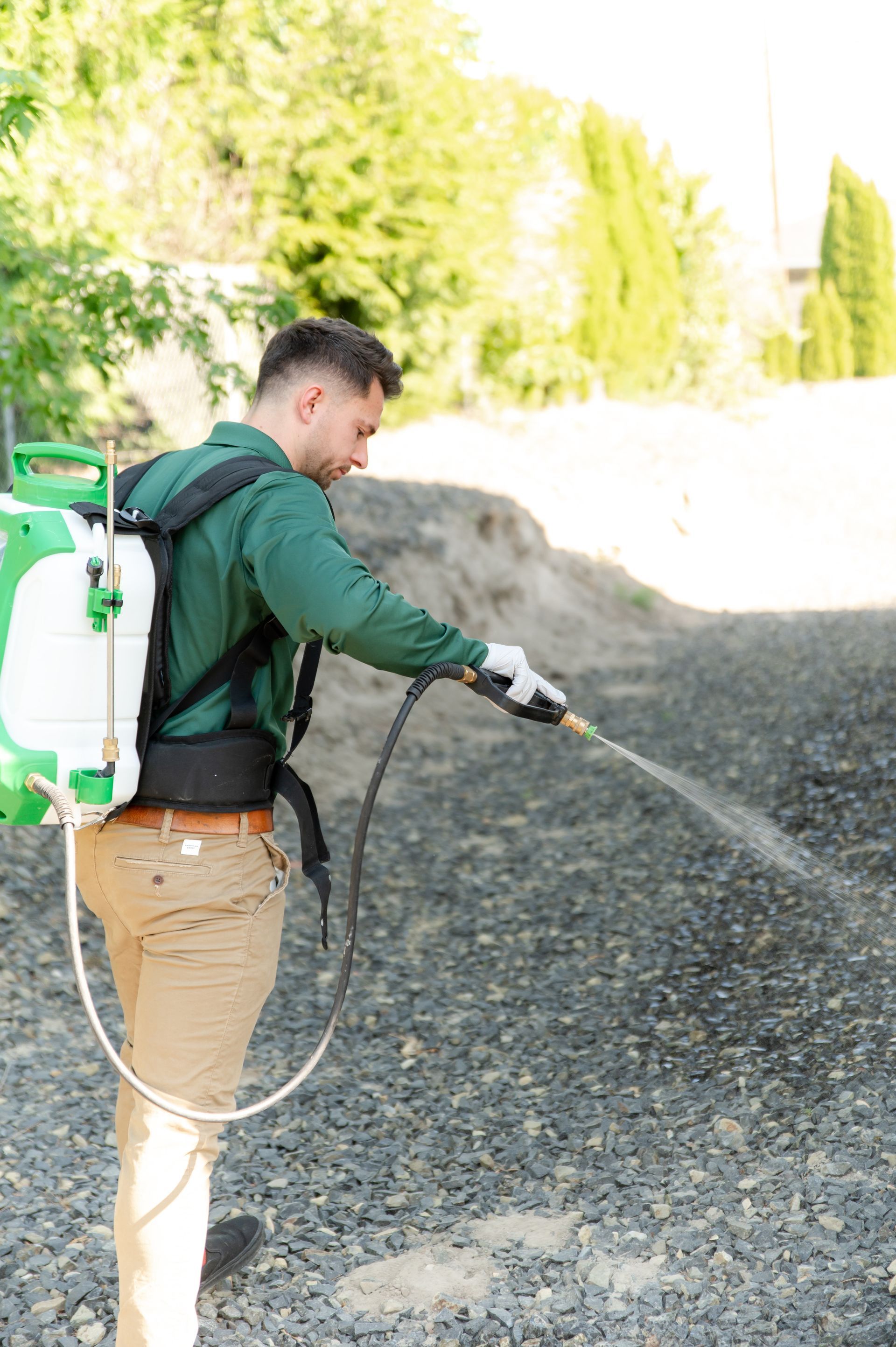
- Exterior perimeter treatments. Creating a barrier around the structure helps prevent ants from entering.
- Interior inspections. Identifying early signs of activity allows for targeted intervention.
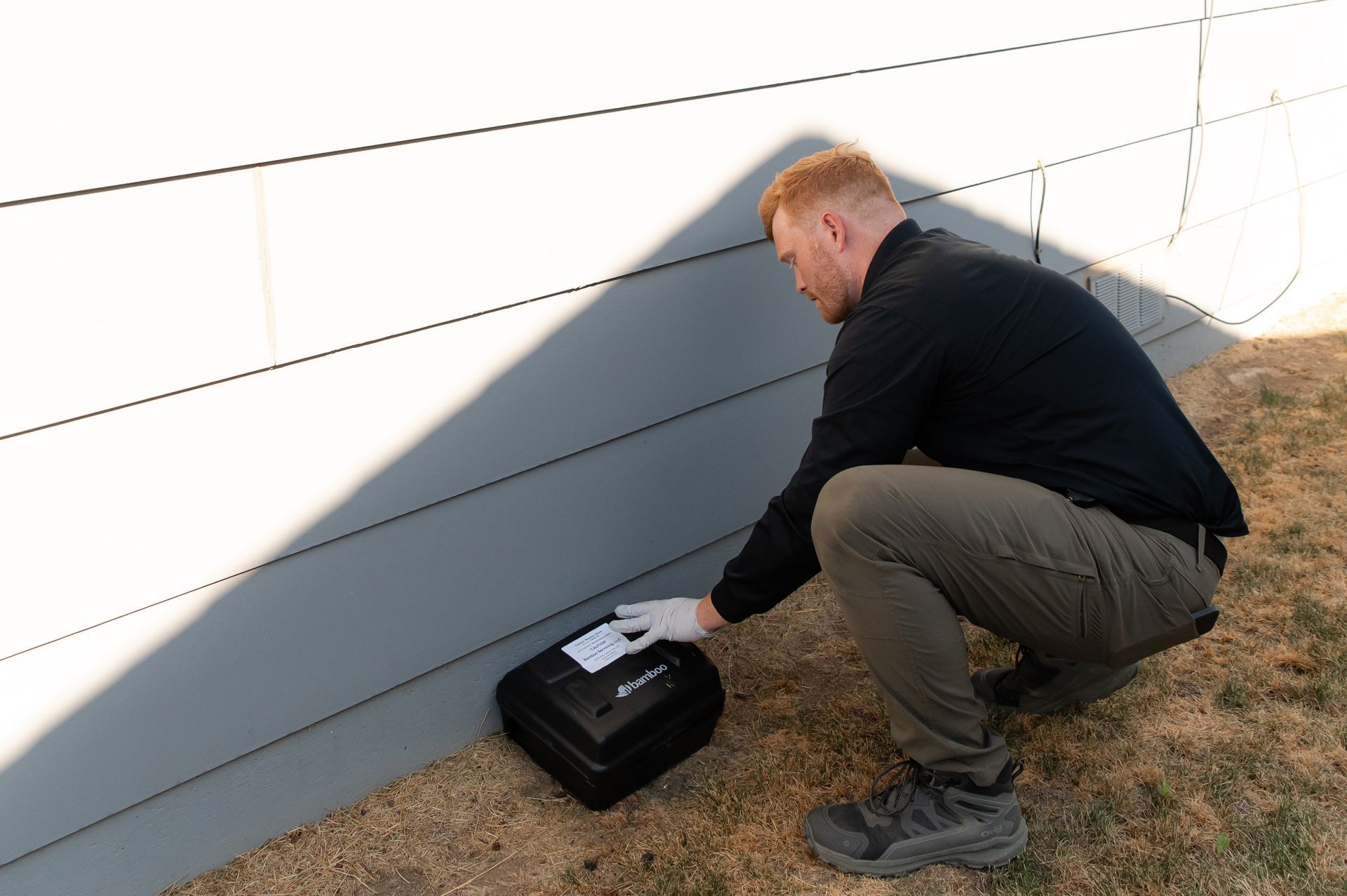
- Baiting systems. Strategically placed baits target colonies and reduce populations over time.
- Crack and entry point treatments. Sealing and treating access points limit movement into the property.
- Moisture management support. Addressing water sources reduces conditions that attract ants.
These services are most effective when combined into a coordinated pest control plan. Isolated treatments may reduce visible activity but often fail to eliminate the underlying problem.
The Importance of Seasonal Pest Control Planning
Ant prevention is not limited to a single treatment. It requires ongoing attention and adaptation to seasonal conditions. A structured plan ensures that protection remains consistent as conditions change.
- Early spring preparation. Initial treatments reduce the chance of colony establishment.
- Mid-season monitoring. Regular evaluations help track activity levels.
- Adjustment of strategies. Treatments are refined based on observed conditions.
- Continued prevention efforts. Maintaining barriers reduces re-entry risks.
- Long-term consistency. Ongoing service supports year-round protection.
Insights from our resource about seasonal pest strategies highlight how adapting to seasonal changes improves overall effectiveness.
A well-timed plan ensures that each phase of pest control supports the next.
Preventive Measures That Enhance Professional Treatments
While professional services form the foundation of ant prevention, certain environmental adjustments can strengthen results. These measures focus on reducing the conditions that attract ants.
- Maintain clean surfaces. Removing food residue limits attraction.
- Store food securely. Proper storage reduces access to resources.
- Address moisture issues. Fixing leaks eliminates water sources.
- Keep entry points sealed. Preventing access reduces infestation risk.
- Monitor high-risk areas. Kitchens and storage spaces require attention.
These steps work best when integrated with professional pest control services. Without expert guidance, preventative efforts may not fully address the complexity of ant behavior.
Why Professional Expertise Makes the Difference
Ant infestations are rarely limited to what is visible. Colonies often exist outside the structure, with worker ants traveling significant distances to access food. This makes it difficult to address the problem without a comprehensive understanding of ant behavior and movement patterns.
Professional pest control specialists approach ant prevention with a detailed strategy. They identify nesting areas, evaluate environmental conditions, and apply treatments that target the colony directly. This ensures that the problem is addressed at its source rather than only managing surface-level activity.
Without this level of expertise, efforts to control ants may only provide temporary relief. Recurring infestations are common when underlying conditions remain unchanged.
A structured, professional approach ensures that ant prevention is both effective and sustainable over time.
Where Lasting Protection Begins With the Right Plan
Spring ant activity can escalate quickly, but with the right strategy, it can be managed before it becomes a persistent issue. Combining targeted treatments with preventative planning creates a system that supports long-term control.
This approach also allows for better consistency as conditions change throughout the season. By addressing early activity and reinforcing protective measures, it becomes easier to prevent recurring infestations and maintain a stable environment over time.
For a reliable and thorough approach, connect with Bamboo Pest Control to ensure your ant prevention plan is built for consistent results and lasting protection.