Seasonal Temperature Changes Trigger Colony Expansion
As winter subsides, rising soil and air temperatures signal ants to resume full activity. During colder months, many ant species enter a slowed metabolic state. Colonies remain dormant underground or within wall voids, conserving energy until conditions improve.
When spring arrives, several biological processes accelerate:
- Increased foraging behavior as worker ants search for carbohydrates and proteins to rebuild colony strength
- Reproductive cycles begin, producing new workers and sometimes winged swarmers
- Expansion of nesting sites as colonies outgrow winter shelter and seek new territory
Warmer weather allows ants to travel greater distances in search of food and water. This is why indoor sightings often spike once daytime temperatures consistently rise. Even small gaps in foundations, siding, or utility penetrations become entry points.
In the Pacific Northwest, fluctuating spring temperatures create ideal conditions for early colony growth. Once activity begins, it rarely slows without targeted intervention.
Spring Rains Drive Ants Indoors
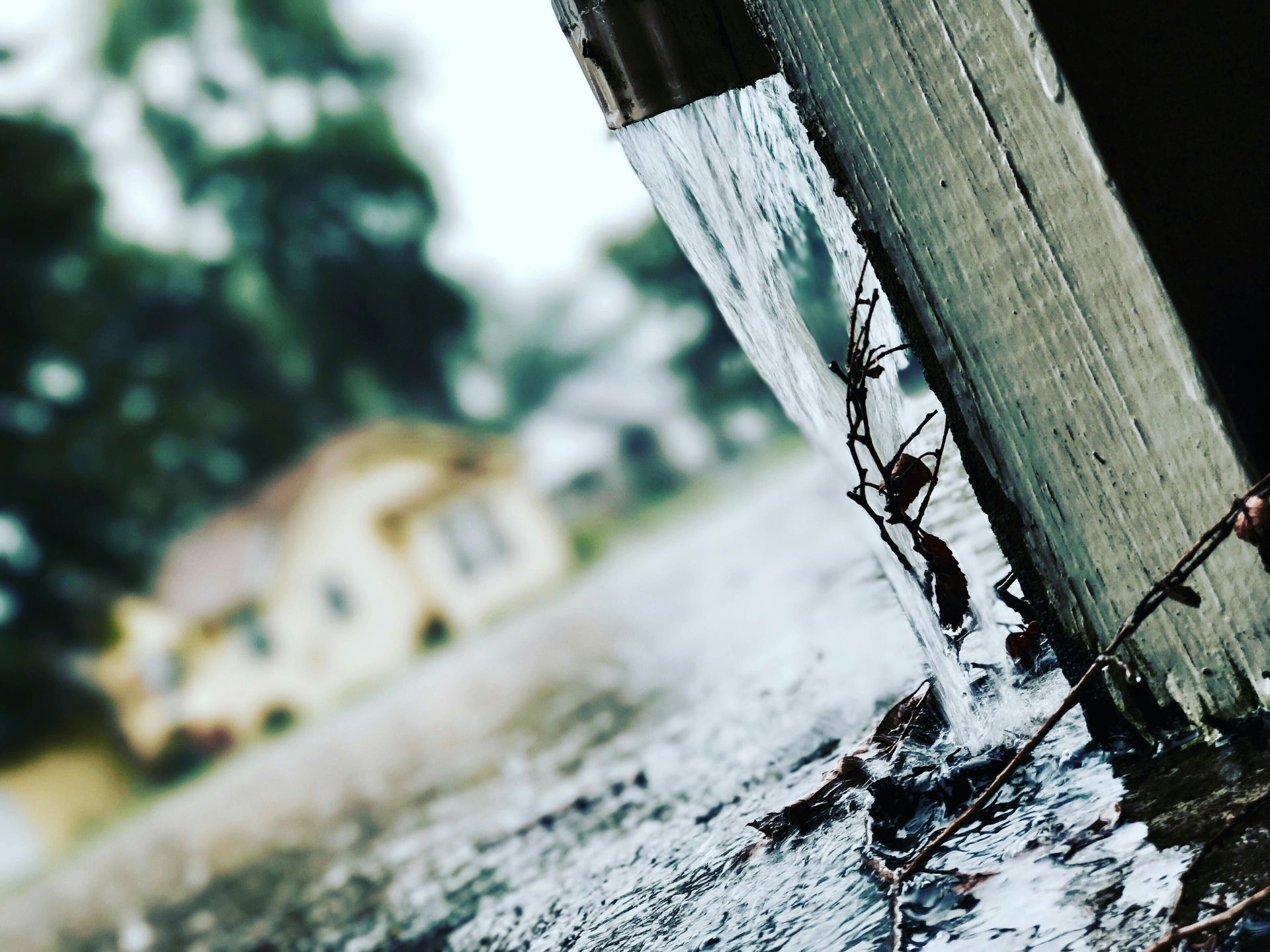
Moisture is another major factor behind increased ant movement. Spring rainfall saturates soil and can flood shallow nests. When that happens, ants relocate to drier, more stable environments. Unfortunately, homes and commercial buildings provide ideal refuge.
Several moisture-related triggers contribute to spring infestations:
- Soil saturation that forces colonies upward or into structural voids
- Damp wood conditions that attract carpenter ants
- Condensation and plumbing leaks that provide reliable water sources indoors
You can explore more about this pattern in our discussion on spring rains and ants. Increased precipitation does not just create puddles outside. It shifts entire colony behavior.
Structures with poor drainage, clogged gutters, or moisture-prone crawlspaces become especially vulnerable during this season. Professional assessment often reveals hidden attractants that property owners may not immediately notice.
Food Availability Increases in Early Spring
Spring provides an abundance of natural food sources. Flowering plants produce nectar, aphids generate honeydew, and outdoor gatherings introduce sugary residues. With more resources available, ant colonies grow rapidly.
Inside buildings, even minor crumbs or spills can support expanding populations. Once scout ants locate a food source, they leave pheromone trails that guide other workers directly to it. This coordinated behavior allows colonies to capitalize on new food quickly.
Common spring attractants include:
- Sugary beverages and fruit left uncovered
- Pet food stored in accessible areas
- Trash bins without tight sealing
- Pantry items with loose packaging
Certain species are more likely to invade kitchens and food preparation spaces. To better understand regional varieties, review our guide to the common ants in Kirkland. Identifying the species is critical because treatment strategies differ significantly between pavement ants, odorous house ants, and carpenter ants.
Rapid colony growth combined with increased food access often turns minor sightings into persistent problems if left unaddressed.
Structural Vulnerabilities Become More Noticeable
Spring maintenance activities often reveal how easily ants can enter a structure. As professionals conducting inspections, we frequently observe overlooked entry points that developed over the winter months.
Key structural vulnerabilities include:
- Cracks in foundations and expansion joints
- Gaps around windows and door frames
- Utility line penetrations without proper sealing
- Landscaping elements that touch exterior walls
Mulch beds and dense vegetation placed directly against siding create sheltered pathways for ants to move unnoticed. Tree branches that contact rooftops can serve as bridges, allowing colonies to bypass ground-level barriers entirely.
While sealing and exclusion efforts are important components of ant control, they are most effective when paired with targeted treatment of the source colony. Addressing visible ants without resolving nesting areas rarely produces lasting results.
Spring is an ideal time for professional inspections because early intervention prevents mid-summer population surges.
Why Professional Ant Control Is More Effective in Spring
Early-season management offers distinct advantages. When colonies are expanding but not yet at peak size, treatment strategies can be implemented more precisely. Waiting until visible infestations become severe often requires more extensive corrective measures.
Professional ant control during spring focuses on:
- Identifying nesting locations rather than only treating visible trails
- Applying targeted materials that disrupt colony reproduction
- Monitoring activity patterns to prevent reinfestation
- Evaluating moisture and structural factors contributing to entry
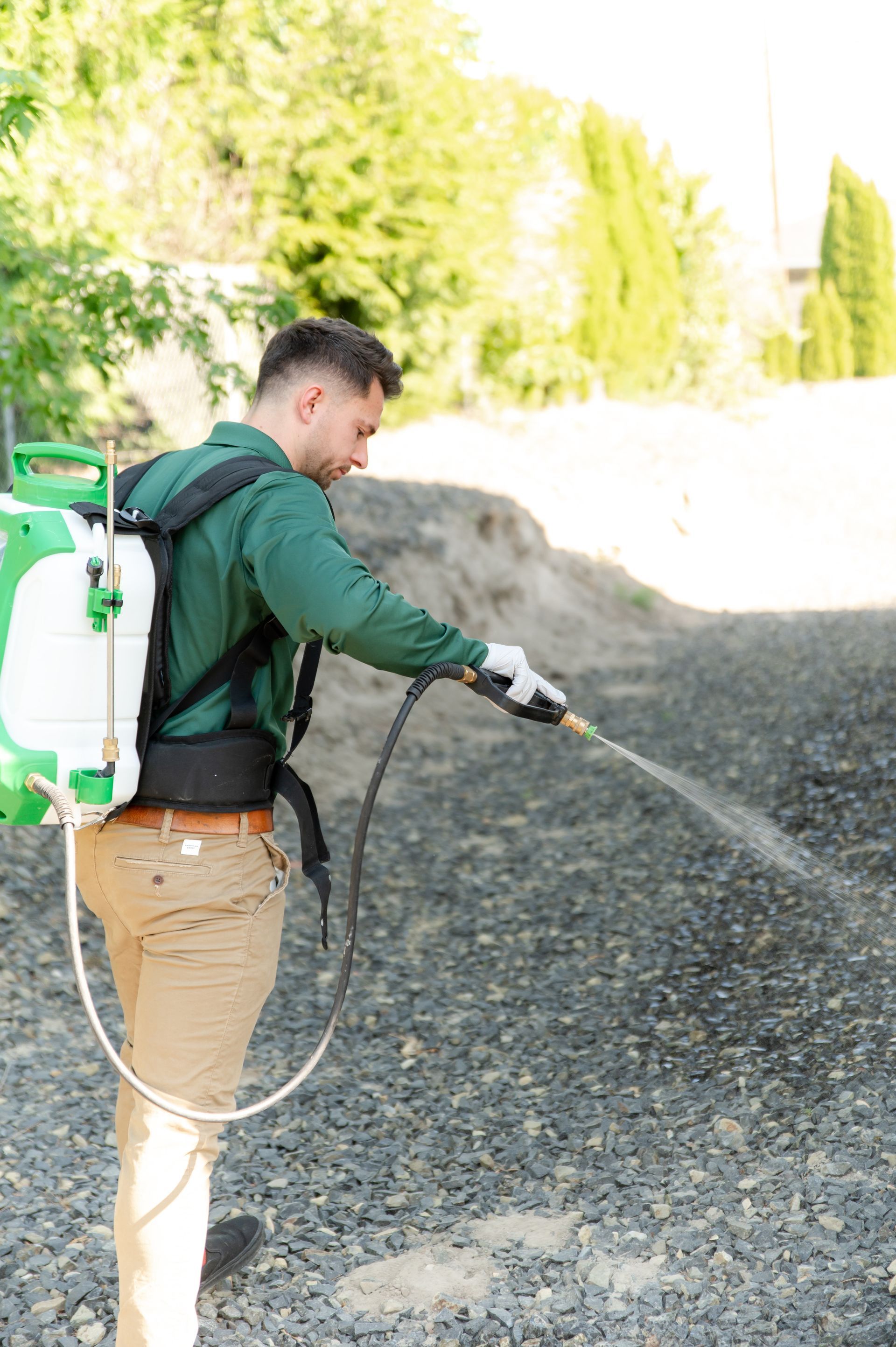
Different species require different approaches. For example, carpenter ants demand careful evaluation of potential wood damage, while sugar-feeding ants respond best to strategically placed bait systems. Broad surface sprays alone rarely address the root issue.
As pest management specialists, we emphasize long-term prevention over temporary suppression. Spring activity is predictable, and structured treatment plans can reduce recurring seasonal issues.
Proactive service also helps property owners avoid secondary concerns such as contamination in food areas or hidden structural deterioration.
Take the Next Step Toward Lasting Protection
If ant activity is increasing around your property this spring, a thorough evaluation can prevent small issues from escalating. Contact Bamboo Pest Control to discuss professional inspection and treatment options designed for long-term ant control.