Reducing Chemical Exposure in Surrounding Environments
Traditional pest control methods often rely on widespread chemical applications. While effective in certain cases, these approaches can extend beyond the intended treatment area and affect soil, water, and non-target organisms.
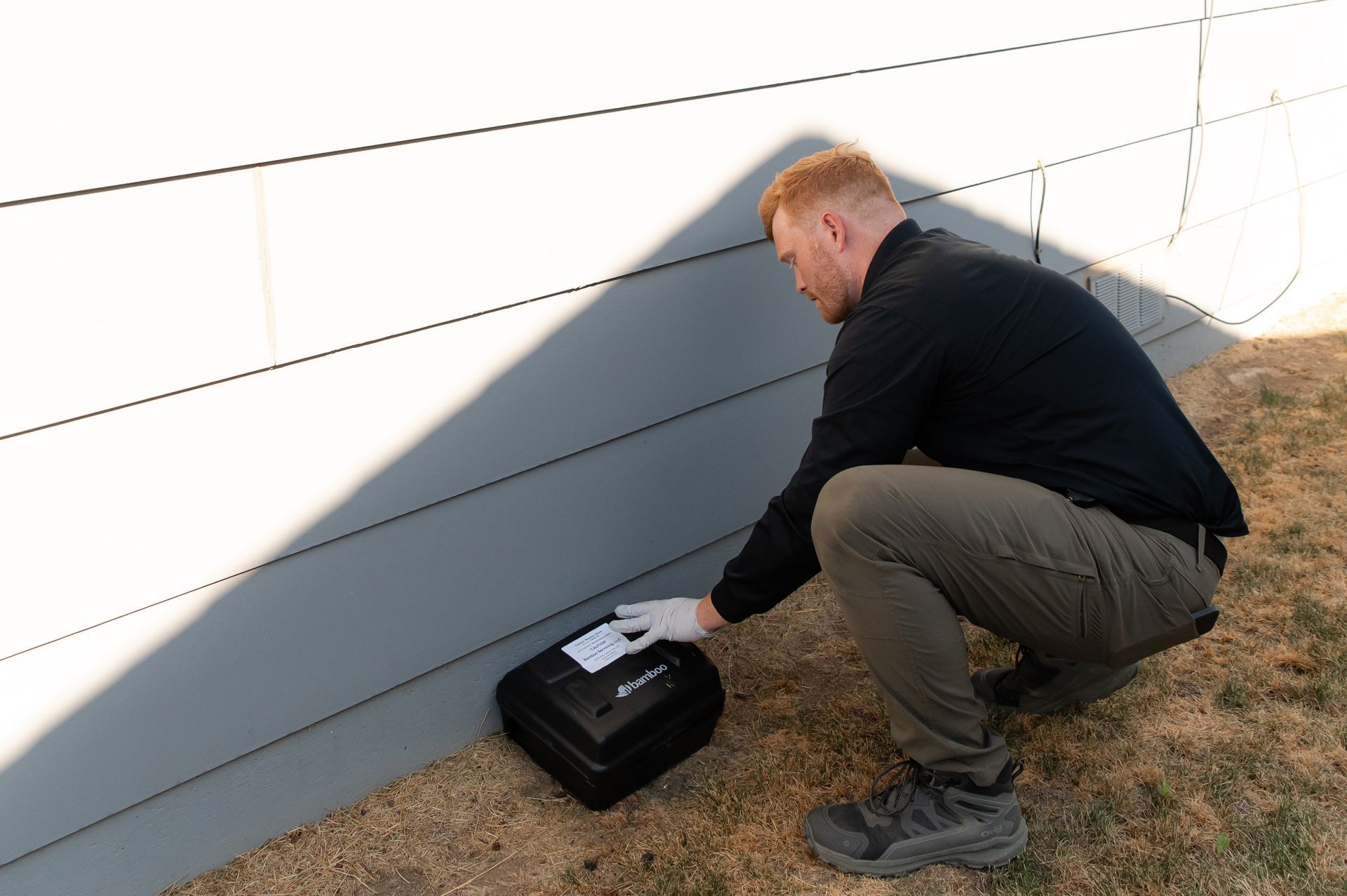
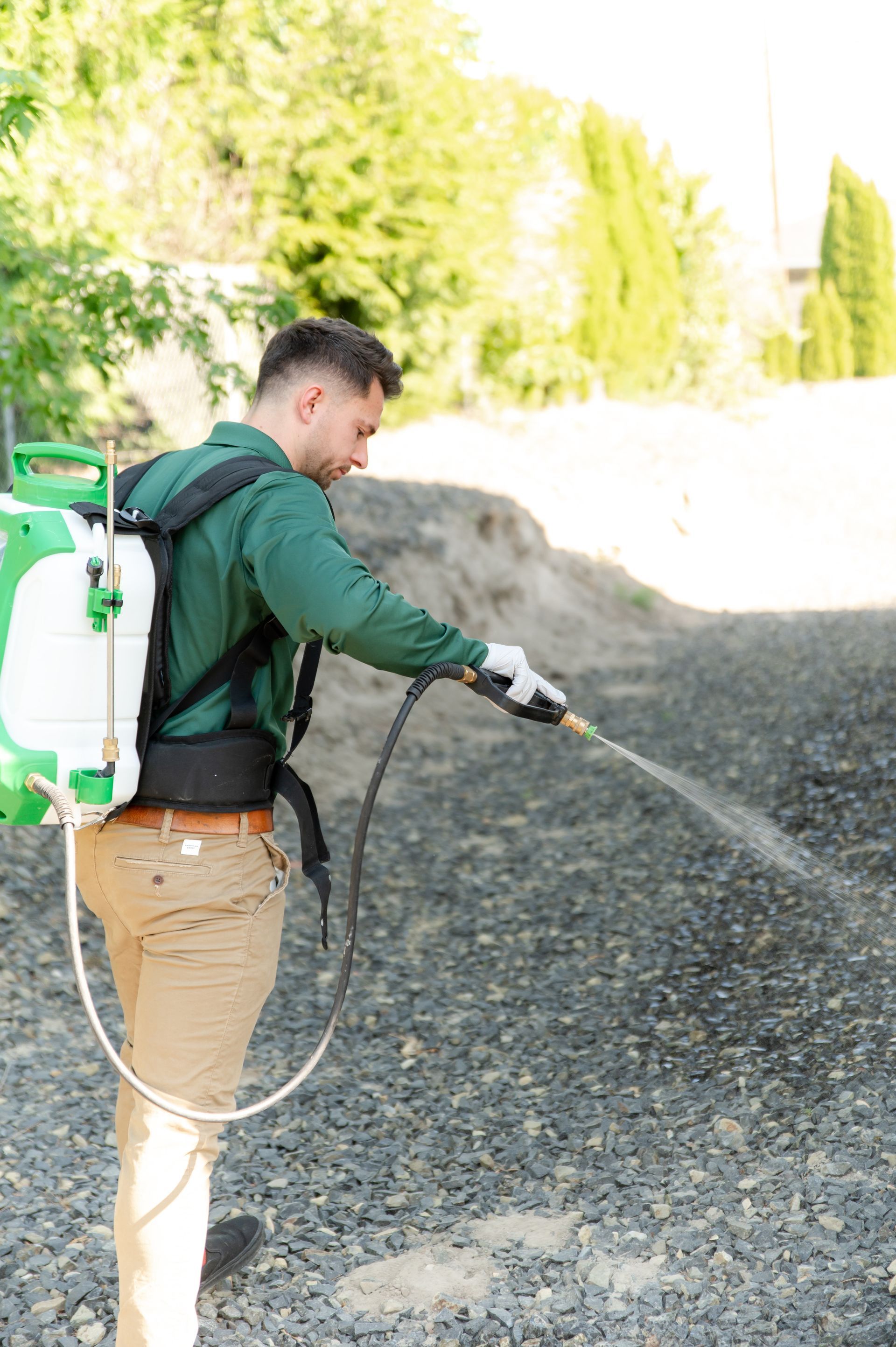
Eco-friendly pest solutions prioritize precision. Treatments are applied only where needed and in controlled amounts, reducing unnecessary exposure to the surrounding environments. This approach helps limit the spread of residues while maintaining effectiveness.
A key part of this process begins with a detailed evaluation. In our resource about professional inspection insights, it becomes clear how proper assessment guides more targeted and environmentally responsible treatment decisions.
- Focused application reduces excess chemical runoff
- Lower concentrations limit impact on soil and water systems
- Targeted treatments help protect nearby plant life
- Controlled use supports safer indoor and outdoor environments
Precision is what allows effective pest control to coexist with environmental awareness.
Supporting Beneficial Insects and Local Ecosystems
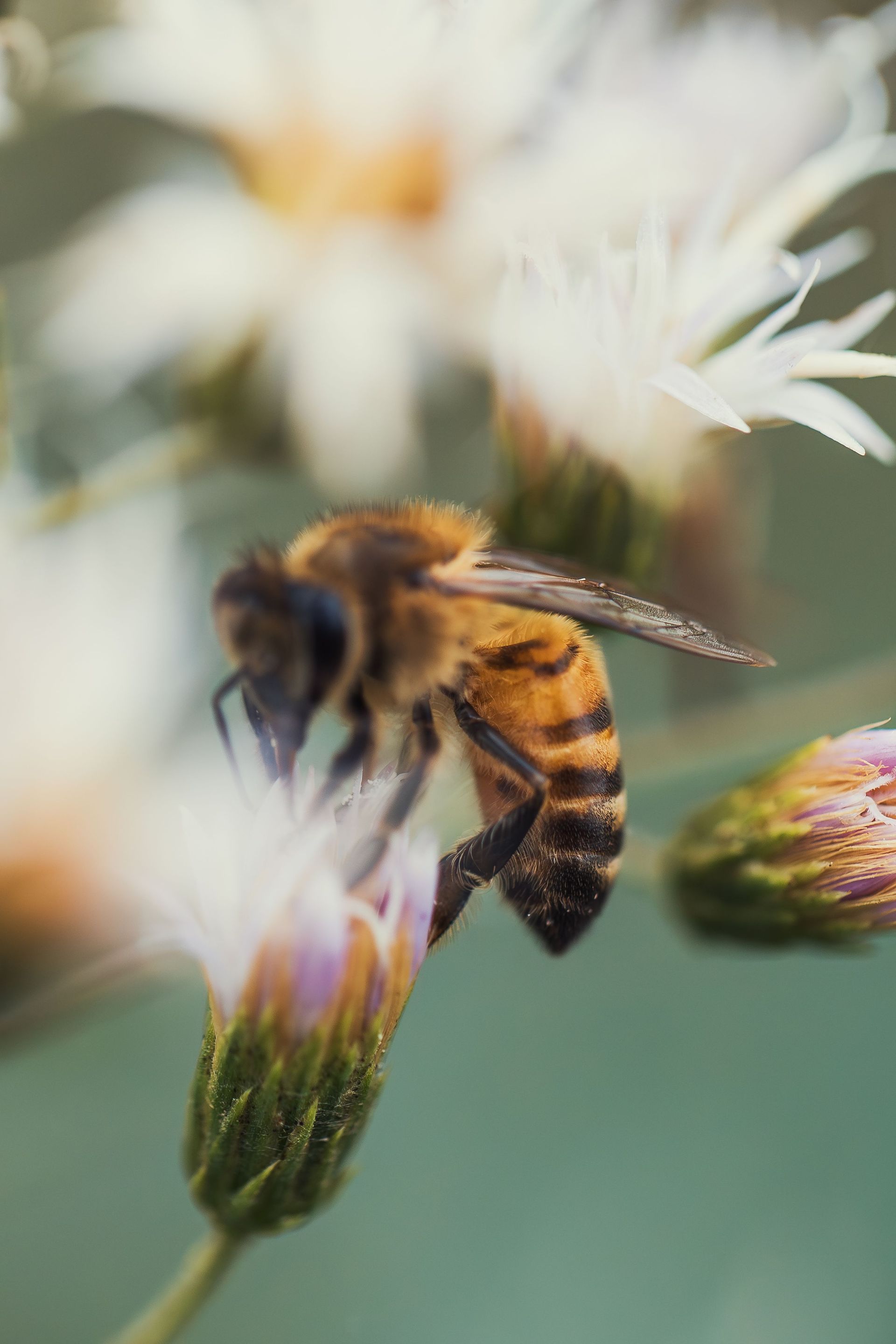
Not all insects are harmful. Many play essential roles in pollination, soil health, and natural pest regulation. Broad-spectrum treatments can unintentionally disrupt these beneficial populations, creating imbalances that may lead to further issues over time.
Eco-friendly pest solutions are designed to minimize disruption to these systems. By targeting specific pests and avoiding unnecessary exposure, they help preserve beneficial insects and maintain ecological balance.
This selective approach requires a clear understanding of pest behavior and environmental interactions.
- Protects pollinators that contribute to plant reproduction
- Preserves natural predators that help control pest populations
- Reduces unintended harm to surrounding wildlife
- Supports a more balanced and self-regulating ecosystem
Maintaining this balance is essential for long-term environmental health.
Targeted Strategies That Improve Long-Term Effectiveness
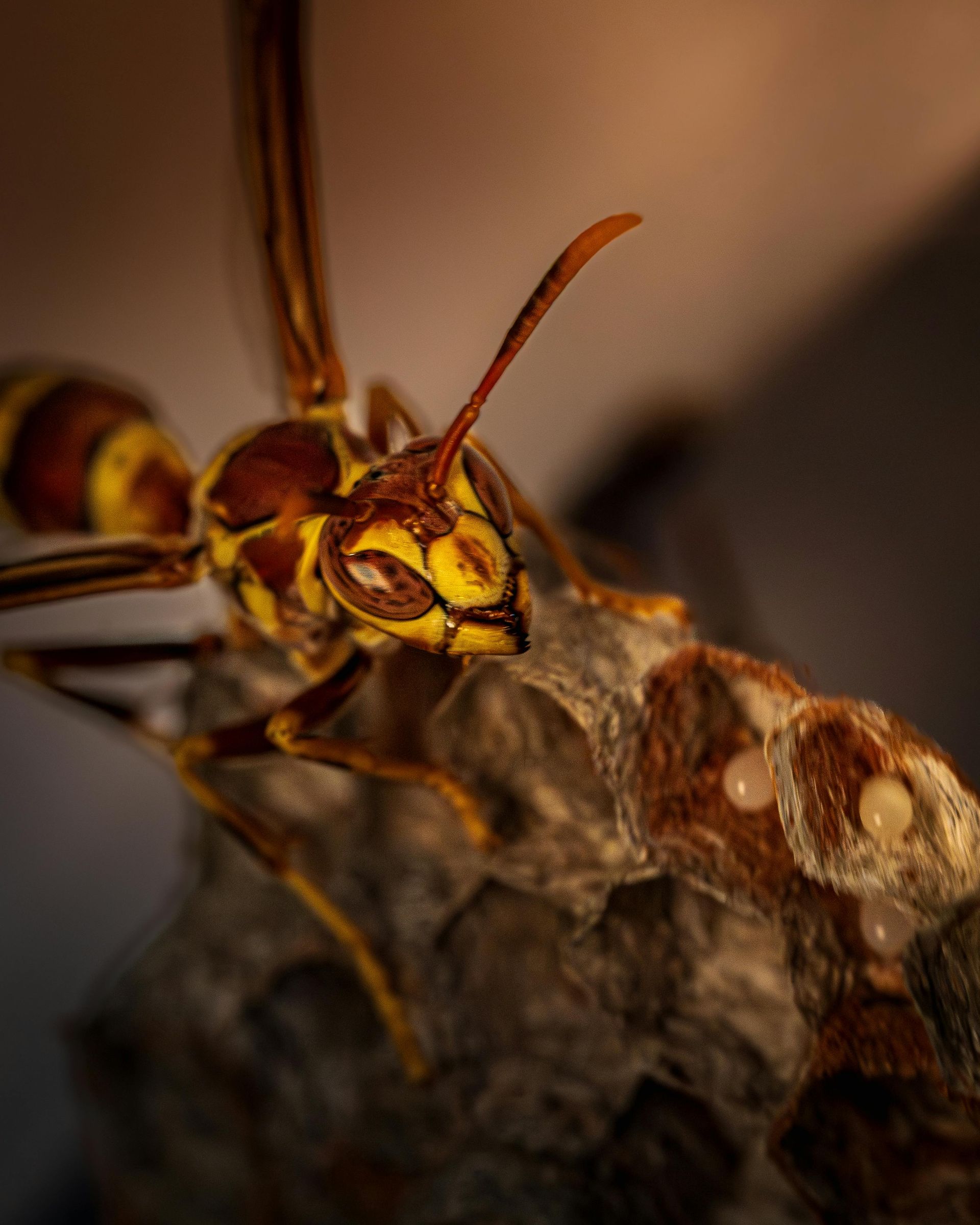
Eco-friendly pest solutions focus on identifying the root cause of infestations rather than relying solely on repeated treatments. By addressing entry points, moisture sources, and nesting conditions, these methods reduce the need for ongoing chemical applications.
This strategy not only improves effectiveness but also limits environmental impact over time. Fewer treatments mean fewer materials introduced into the environment, creating a more sustainable approach to pest management.
Accuracy plays a central role. As discussed in our recent article on inspection versus DIY kits, incomplete or surface-level methods often fail to address the underlying issue, leading to repeated applications.
- Identifies and eliminates conditions that attract pests
- Reduces reliance on repeated treatments
- Improves long-term control through preventative measures
- Limits overall environmental exposure to treatment materials
A focused strategy leads to both effective results and reduced environmental strain.
Integrating Eco-Friendly Practices With Professional Expertise
Eco-friendly pest control is not simply about using different products. It involves a comprehensive approach that combines inspection, monitoring, and carefully selected treatments. Professional expertise ensures that each step is carried out with precision and purpose.
Understanding pest behavior, environmental factors, and structural conditions allows for solutions that are both effective and responsible. This integration is what makes eco-friendly pest solutions viable for long-term use.
Without proper evaluation, even environmentally conscious methods can fall short if they are not applied correctly.
- Inspections guide the selection of appropriate treatment methods
- Monitoring ensures that solutions remain effective over time
- Adjustments are made based on changing environmental conditions
- Expertise supports both safety and performance
Professional oversight ensures that eco-friendly methods deliver consistent results.
A Sustainable Approach to Pest Management
The impact of eco-friendly pest solutions extends beyond immediate pest control. It contributes to a broader effort to reduce environmental strain while maintaining safe and functional living spaces.
Sustainability in pest management is achieved through thoughtful planning, careful application, and ongoing evaluation. Each step is designed to balance effectiveness with environmental responsibility.
As awareness continues to grow, more property owners are recognizing the value of solutions that protect both their space and the environment.
A Thoughtful Step Toward Responsible Pest Control
Choosing eco-friendly pest solutions reflects a commitment to both effective pest management and environmental care. With the right approach, it is possible to address pest activity while preserving the surrounding ecosystem.
For informed guidance and environmentally conscious solutions, reach out to Bamboo Pest Control and take a more balanced approach to protecting your property.