Why Seasonal Pest Behavior Matters
Understanding how pests respond to seasonal changes is the foundation of any effective prevention plan. Each time of year presents different conditions that attract specific pests or alter their activity levels.
- Warmer temperatures accelerate reproduction cycles, leading to faster infestations if left unmanaged
- Cooler seasons drive pests indoors, increasing the risk of hidden activity inside walls, attics, and basements
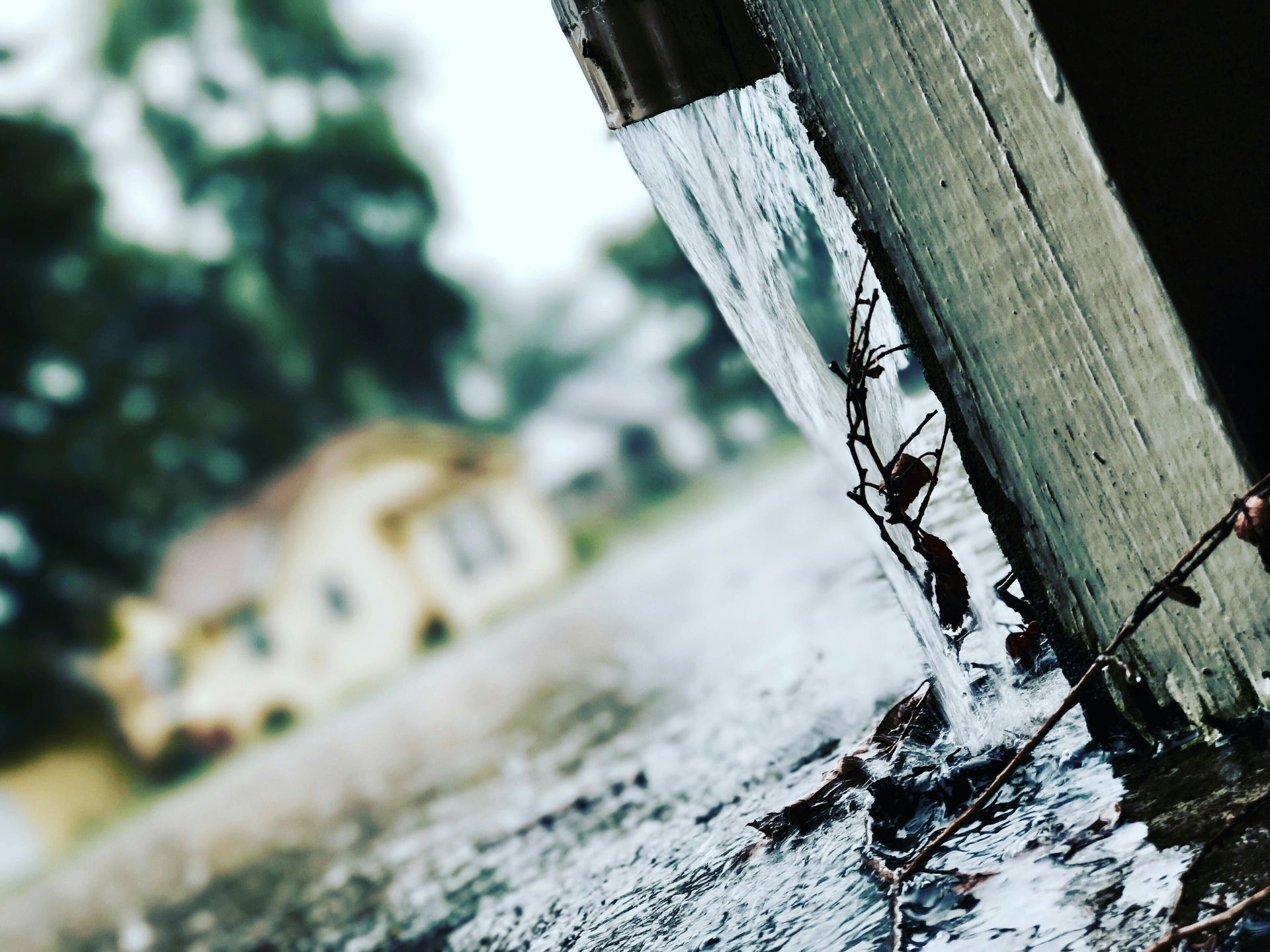
- Rainy periods create moisture-rich environments that support insects like ants and mosquitoes
- Dry conditions push pests to seek water sources inside homes or structures
- Seasonal food availability influences where pests gather and how aggressively they forage
For example, ant activity tends to spike during spring due to increased moisture and food access. In our resource about spring ant activity, we explain how these environmental triggers cause colonies to expand rapidly.
Recognizing these patterns early allows for more precise prevention rather than generalized treatments that may miss the root cause.
Spring and Summer: Managing Growth and Expansion
Spring and summer are the most active seasons for many pests. Warmer weather creates ideal conditions for breeding, which means populations can grow quickly if not controlled early.
- Ant colonies expand and become more visible as they search for food and water
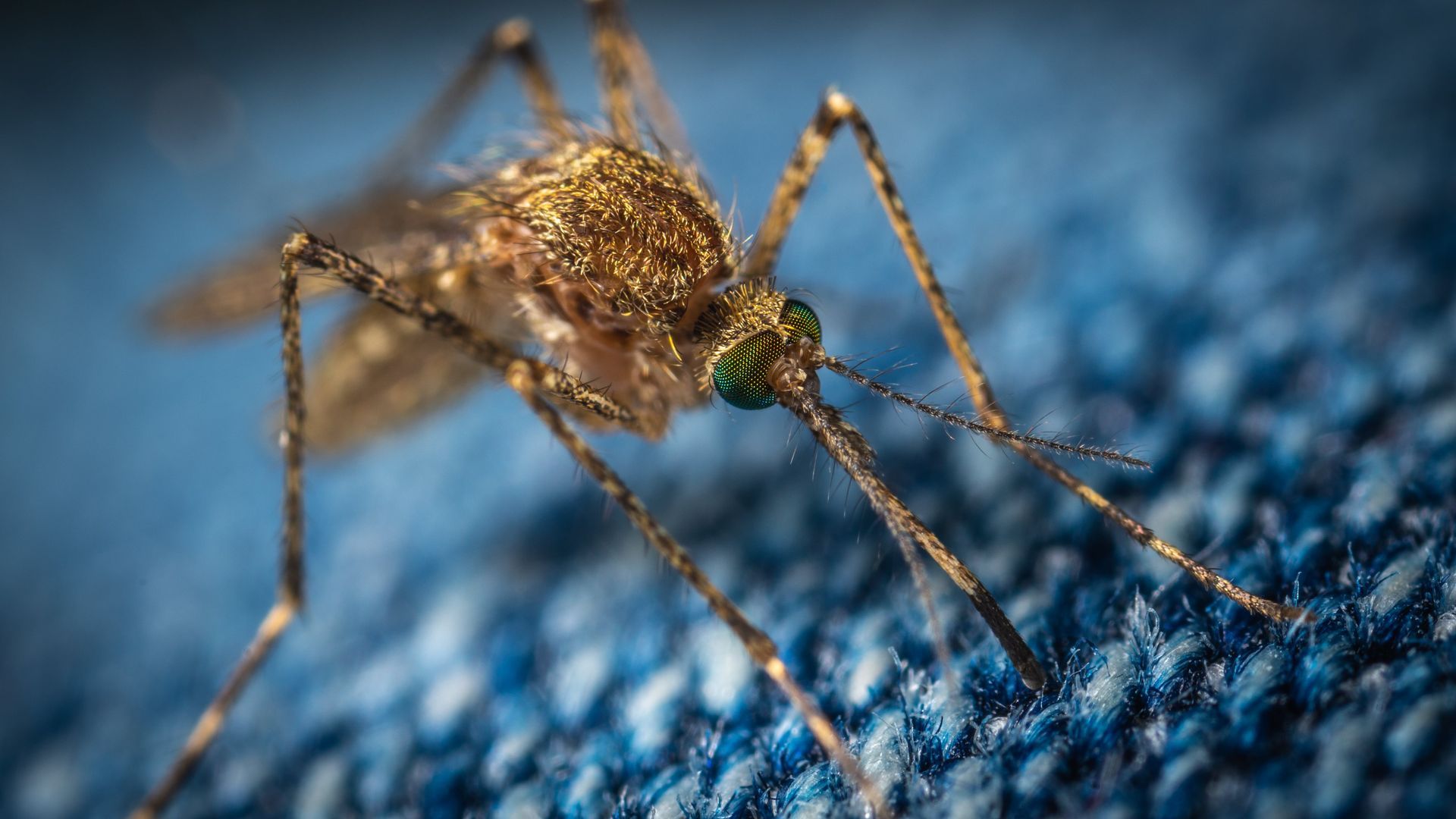
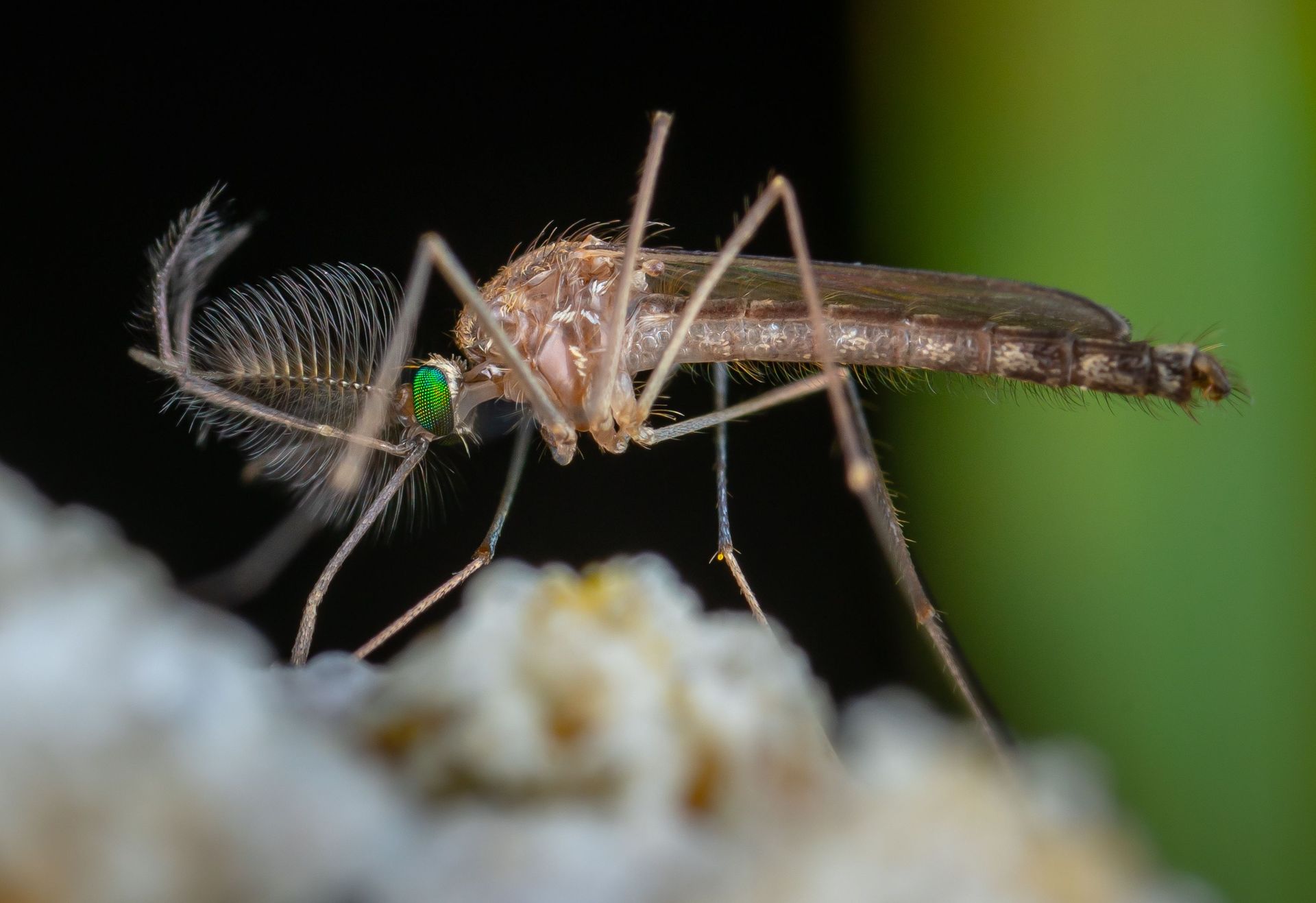
- Mosquitoes breed in standing water, increasing outdoor nuisance and health concerns
- Cockroaches thrive in humid conditions, especially in kitchens and storage areas
- Termites become more active, increasing the risk of structural damage
- Flies and other insects multiply rapidly due to abundant food sources
This period requires a proactive approach. Preventive treatments and routine pest inspection are especially important before populations peak. Waiting until activity becomes obvious often means the infestation is already established.
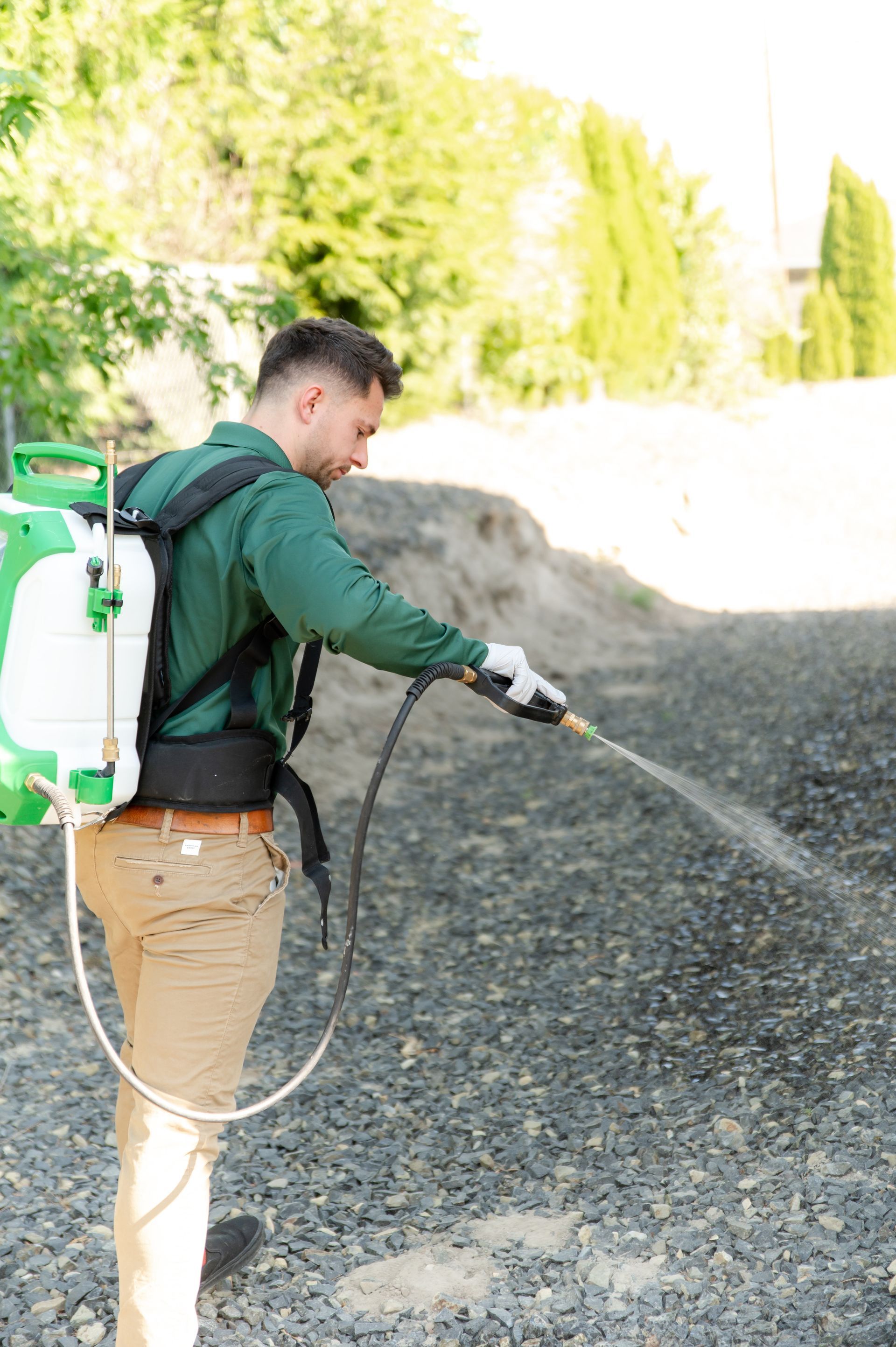
Professionally guided strategies during these months focus on interrupting breeding cycles and reducing attractants, which helps maintain control before issues escalate.
Fall and Winter: Preventing Indoor Invasions
As temperatures begin to drop, pest behavior shifts from expansion to survival. Many pests look for shelter indoors, where they can stay warm and access food sources.
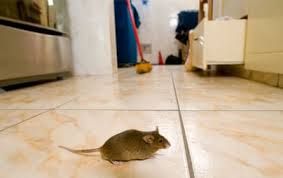
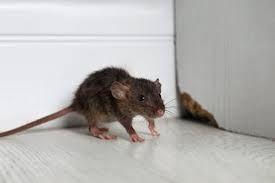
- Rodents seek entry through small openings in walls, roofs, and foundations
- Spiders move indoors following their prey
- Cockroaches remain active in warm indoor environments
- Stored product pests infest pantry items during extended indoor stays
- Overwintering insects hide in cracks, waiting for warmer conditions
This seasonal shift makes structural protection more critical. Small entry points that seem insignificant can become major access routes for pests seeking shelter.
A detailed pest inspection during this time helps identify vulnerabilities before they are exploited. Sealing entry points and addressing hidden conditions requires precision and consistency, which is why professional oversight often leads to more reliable outcomes.
The Role of Routine Inspections Throughout the Year
Seasonal prevention is most effective when supported by consistent monitoring. A single treatment or occasional check is rarely enough to address changing pest pressures.
- Inspections help detect early signs of activity before infestations become visible
- Seasonal adjustments ensure treatments remain relevant to current conditions
- Hidden problem areas, such as wall voids and crawl spaces, are properly evaluated
- Risk factors like moisture buildup or structural gaps are identified and addressed
- Long-term prevention plans can be refined based on observed trends
In our recent article on inspection process details, we outline how professionals assess both visible and hidden conditions that contribute to pest activity.
This level of evaluation is difficult to replicate without experience. Subtle indicators often determine whether a property remains protected or becomes vulnerable over time.
Why a Year-Round Strategy Works Best
While each season presents unique challenges, the most effective approach is not to treat them in isolation. A continuous, year-round strategy connects each phase into a cohesive prevention plan.
- Preventive treatments in spring reduce pressure during peak summer activity
- Structural adjustments in the fall limit winter infestations
- Monitoring during winter prepares for early spring resurgence
- Consistent evaluation reduces the likelihood of sudden, large-scale infestations
- Long-term planning improves overall efficiency and minimizes recurring issues
Rather than reacting to problems as they appear, a structured approach anticipates them. This reduces disruption, maintains stability, and creates a more controlled environment year-round.
Professional involvement plays a key role here. It ensures that each seasonal adjustment is based on observed conditions rather than assumptions, leading to more precise and dependable results.
A Smarter Way to Stay Ahead of Seasonal Pests
If maintaining consistent protection throughout the year feels complex, it often is. Seasonal pest behavior requires attention to timing, detail, and changing conditions. For a more reliable approach, it helps to work with experienced professionals who understand how these patterns unfold.
Reach out to Bamboo Pest Control to learn how a structured, season-based prevention plan can help maintain a more stable and protected environment.