
Sprinkler Tips for Greener Grass All Summer

September 5, 2020

As we head into the hotter months of summer, we sometimes get calls from our Bamboo  lawn care  customers who are concerned that their fertilization program is no longer working. They begin to see patches of yellow or brown grass throughout their lawn. They wonder if these “dead spots” are caused by insects, a fungus, or inadequate nutrition. The reality is, however, that a good fertilization program almost always results in greener grass unless one vital component is missing: proper watering. Consider the following sprinkler tips in conjunction with your regular fertilization program for greener grass all summer long.

1. Increase the Watering Time

If your grass is turning yellow or brown, the most likely scenario is that it needs more water. Some signs of dehydration include when your grass feels dry and crispy to the touch, looks dull and matted, or does not spring back quickly when stepped on. If this is the case, the number one sprinkler tip is to increase the watering time. Since every lawn and sprinkler system is different, it is difficult to give a one size fits all answer to what works best. However, many homeowners find that watering each zone for 10-20 minutes, every other day works well.  As it gets hotter, you many need to water every day, and for longer amounts of time in each zone.

2. Water When It’s Coolest

It is best to water your lawn when temperatures are cooler so that the water can be absorbed by the grass roots before it evaporates. You may choose to water your lawn in the evening or first thing in the morning. Watering in the middle of the night is also a great option as long as your lawn is treated with a fungicide, like we use at Bamboo Servicing. Otherwise, you risk the chance of disease due the blades of grass being wet for prolonged periods of time. Watering your lawn in the middle of the day could result in grass burn from the water refracting the sunlight and causing your grass to turn brown.

3. Make Regular Adjustments

The sprinkler adjustments that you made when it was 60 degrees outside likely will not cut it for when it is 90 degrees outside.  One often forgotten sprinkler tip is that you will likely need to readjust your sprinkler heads a few times over the course of the summer to keep up with the changing weather patterns. Not all sprinkler heads are adjustable, but if yours is, you may notice a single-slotted screw at the center of the head. Use a flat-head screwdriver to turn the adjustment screw clockwise or counter clockwise to increase or reduce the arc of the spray.

You many also need to raise or lower the sprinkler head to direct the water at dead spots. It is best to check with your sprinkler head manufacturer for specific instructions on how to adjust the heads properly. If you are unsure of how to get your sprinklers to reach a specific dry area, we recommend calling a Utah sprinkler repair company, such as our friends at  A1 Sprinklers.

Conclusion

If you want the greenest and most lush lawn on the block, you will need to follow a combination of fertilization, maintenance, and sprinkler advice. With a little effort, Bamboo Servicing can help you achieve your goals.  Contact  Bamboo servicing today for top rated pest control services in town.

Want to see more articles you might like?


The signs of carpenter ants in your home

How to get rid of ants in your home

How construction sites effect pest control

Got ant hills in your sidewalk? Here's what to do

Here at Bamboo Pest Control, we know pests can be a real pain. It's your home and you shouldn't have to deal with creatures or bugs trying to take over. If you've got invasive things, you might need to have our pest control services to help.


We have a great service area and you likely are covered in our radius. Feel free to contact us today for a fast quote over the phone and see how amazing our support and pricing is compared to the "big guys" in the pest control game. We're local and here to help!

Like this content? Share it!

By Gary Gill September 11, 2026
Learn where rodents enter homes in late summer, which hidden gaps attract mice and rats, and how professional rodent control helps reduce repeat activity.
By Ann Abad September 4, 2026
Learn practical snake safety tips for rural homeowners, including yard conditions, entry points, summer activity, and when professional help is needed.
By Gary Gill August 27, 2026
Learn how foundation moisture can attract mosquitoes, create breeding conditions, and why professional mosquito control helps reduce recurring activity.
August 21, 2026
Learn how summer bee behavior changes, what increases sting risk, and how professional bee control supports safer outdoor spaces around your home all season.
By Gary Gill August 14, 2026
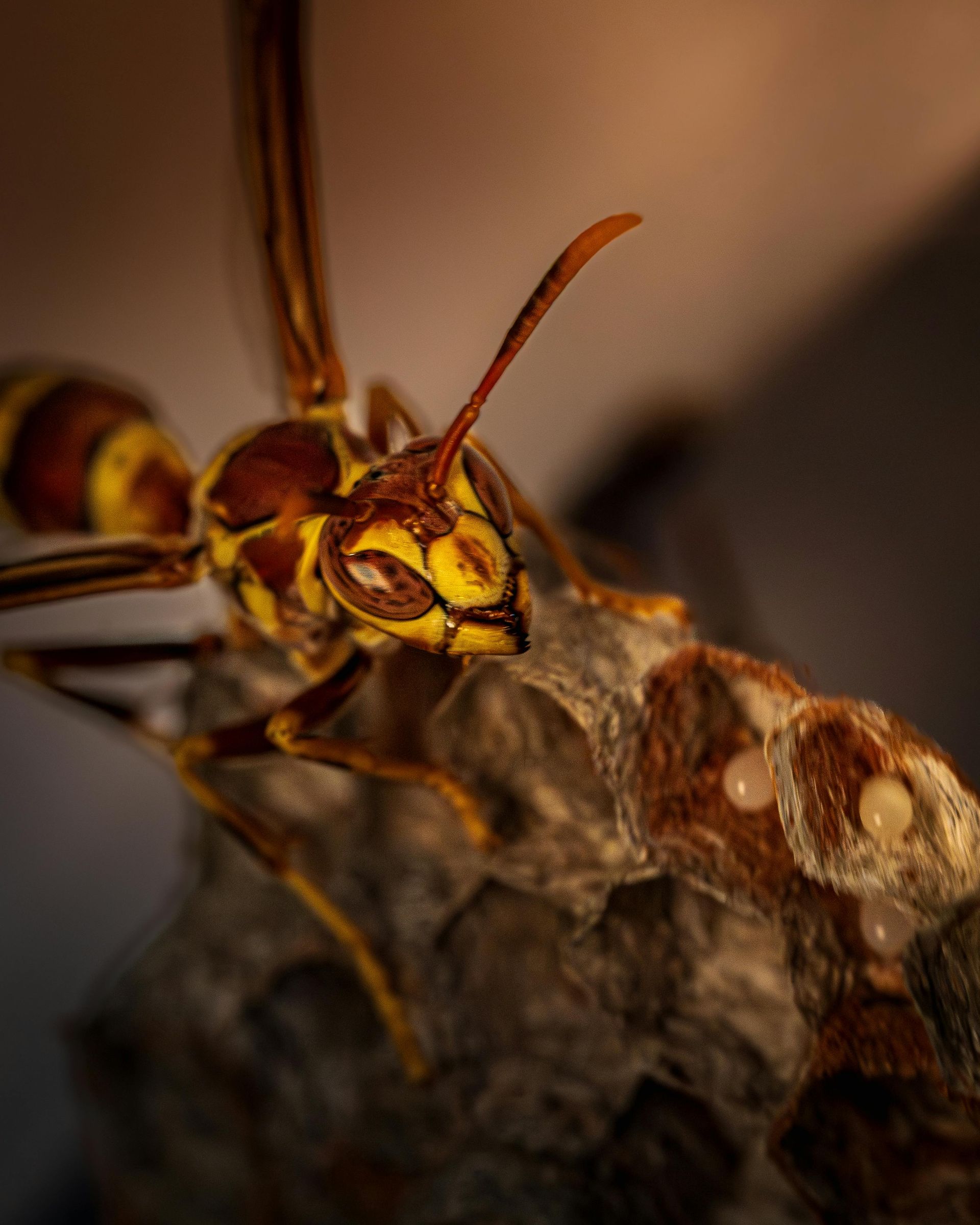
Learn why wasps become more aggressive in warm months, what increases sting risks, and how professional wasp control helps protect outdoor spaces safely.
By Gary Gill August 7, 2026
Seasonal pest prevention in the Pacific Northwest uses inspection, moisture control, exclusion, and targeted pest control for reliable year-round protection.
By Gary Gill July 31, 2026
Learn practical flea and tick control tips for pet owners, from yard care and bedding checks to professional pest control that protects homes and pets.
By Gary Gill July 24, 2026
Seasonal pest plans adapt to changing weather, target recurring activity, and help professional pest control protect homes throughout the entire year.
By Gary Gill July 17, 2026
Learn how outdoor lighting can attract unwanted pests, increase insect activity near homes, and why professional pest control supports long-term prevention.
By Gary Gill July 10, 2026
Learn common Washington house spiders, where they hide, and why professional spider control helps reduce webs, insect pressure, and repeat activity indoors.
Show More Blog Posts