Understanding Why Spiders Remain in Protected Spaces
Basements and garages provide several conditions that can support spiders. Some areas offer stable temperatures, others contain insects that spiders feed on, and quiet corners may remain undisturbed for months.
Common contributing features include:
- Storage clutter: Boxes, shelves, and stored equipment create sheltered spaces that are rarely inspected.
- Insect prey: Flies, moths, and other insects can provide a steady food source for hunting or web-building spiders.
- Structural gaps: Openings around doors, vents, and utility lines may permit insects and spiders to enter.
- Damp corners: Moisture may support insect activity, indirectly making some locations more suitable for spiders.
- Limited disturbance: Spaces behind appliances and beneath shelving can remain protected from regular household activity.
Different spider species use these conditions differently. Some build webs in corners, while others actively hunt along floors or behind stored objects.
Our guide to common spider species explains why identification matters when assessing spiders found in Pacific Northwest homes.
Not every spider represents a serious concern. Many common species are not medically significant and may help reduce other insects. However, frequent encounters, recurring webs, or uncertainty about a potentially concerning species justify closer inspection.
Understanding the species helps our technicians focus on relevant harborages and avoid treating every spider sighting as though it involves the same risk.
Reducing Spider Activity Means Addressing Their Food Sources
A basement with recurring spider activity may also contain an overlooked insect population. Removing a web without investigating its surroundings can provide only temporary relief if the same location continues supplying prey.
Professional inspections may evaluate:
- Exterior lighting: Lights near garage doors and windows may attract flying insects toward entrances.
- Window connections: Poorly fitting screens and deteriorated seals can allow smaller insects indoors.
- Foundation edges: Openings near soil and landscaping may provide routes into lower building areas.
- Plumbing locations: Moist conditions around drains or utility connections can support certain insect species.
- Stored materials: Boxes and equipment may conceal both spiders and the insects they capture.
Spider management works best when inspection identifies which conditions are actually contributing to activity. A damp basement does not automatically mean spiders are nesting there, just as a single web does not prove that numerous spiders are present.
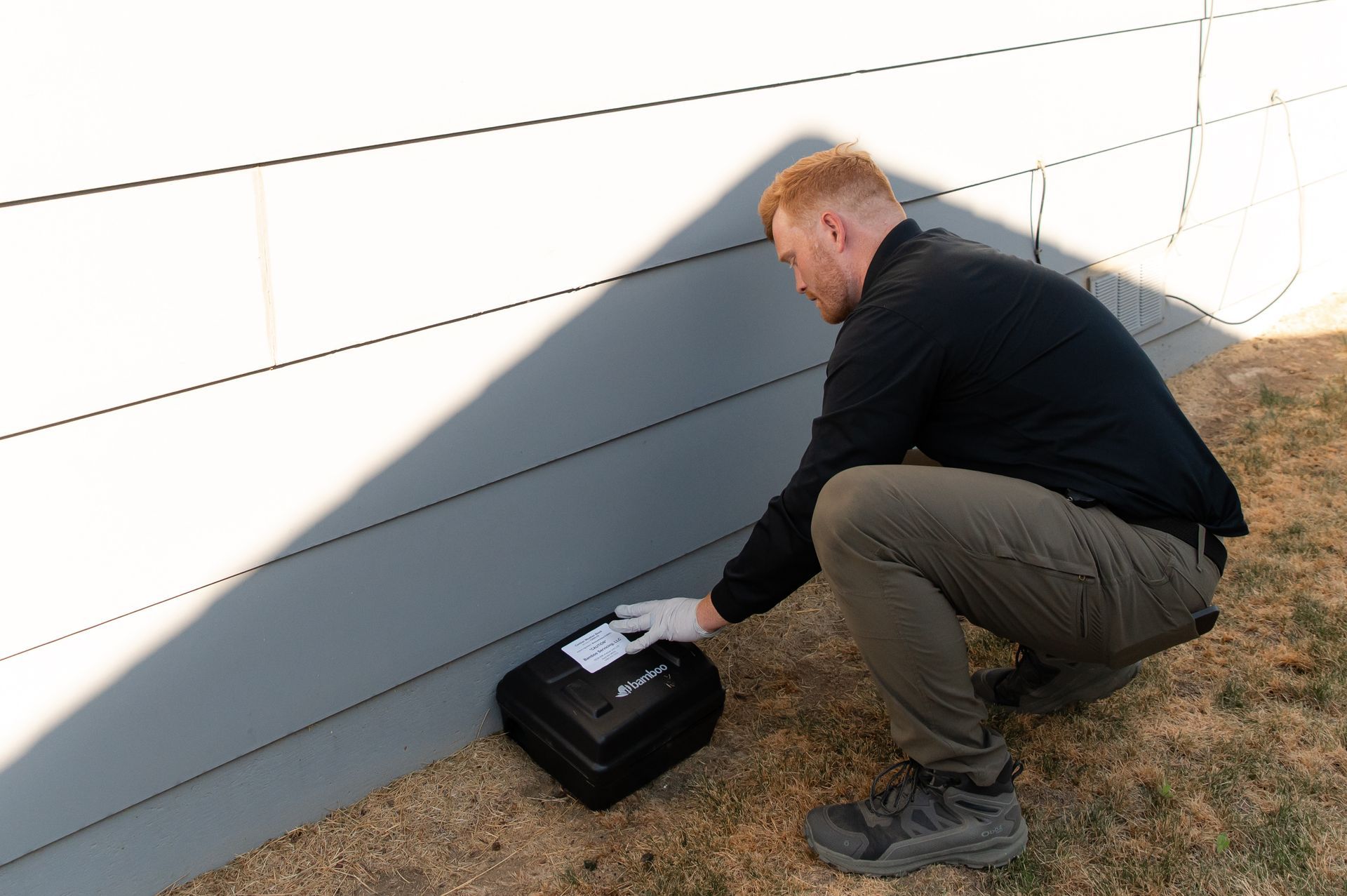
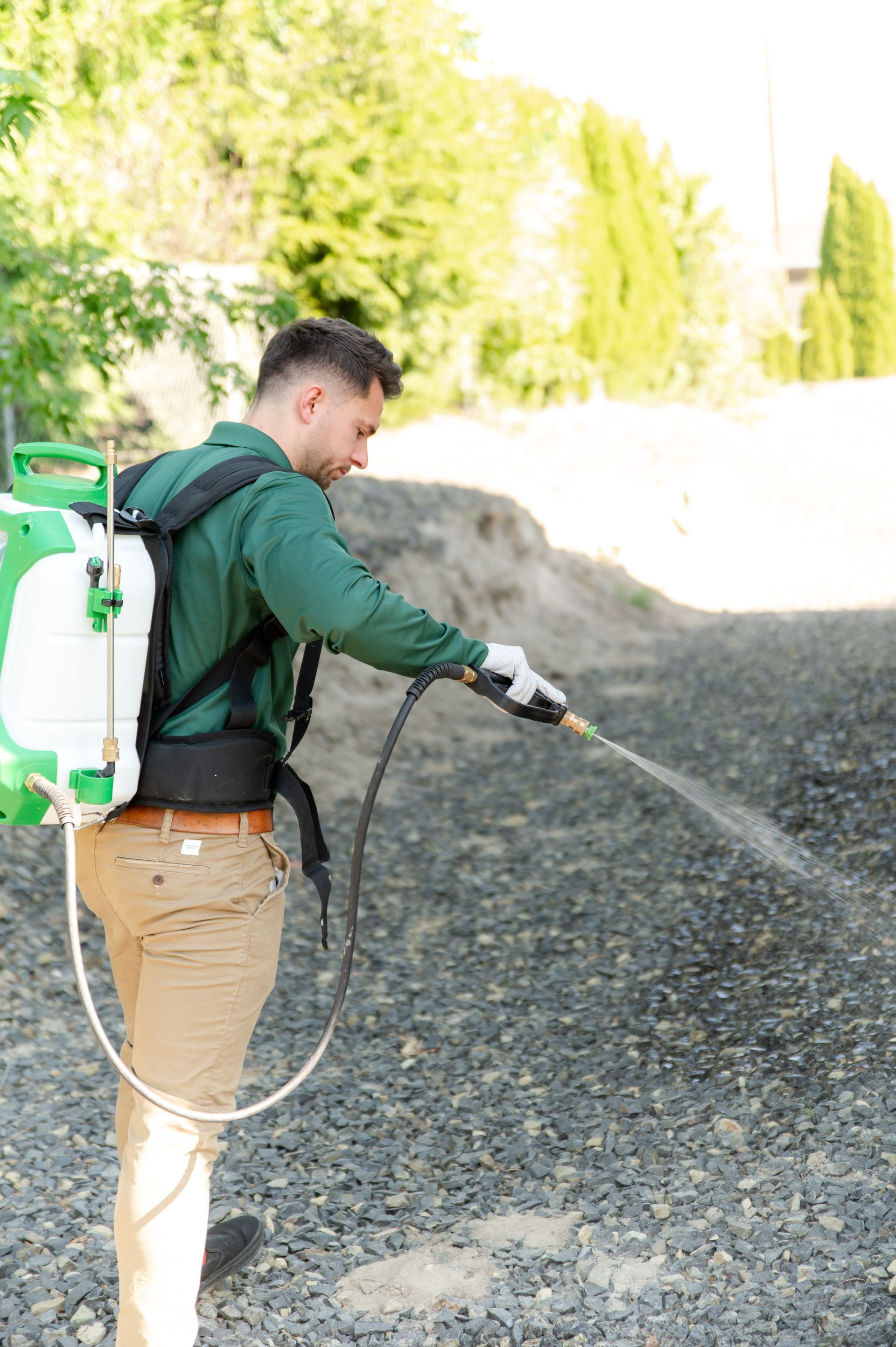
Our technicians may recommend targeted treatment around confirmed problem areas, along with exclusion or environmental corrections appropriate to the property.
Product selection and placement depend on the species, treatment location, and household conditions. Repeatedly applying products without examining the source of insect prey may overlook why spiders continue returning.
This broader approach helps limit unnecessary treatment while addressing the conditions most closely connected to recurring sightings.
Seasonal Prevention Extends Beyond the Basement Door
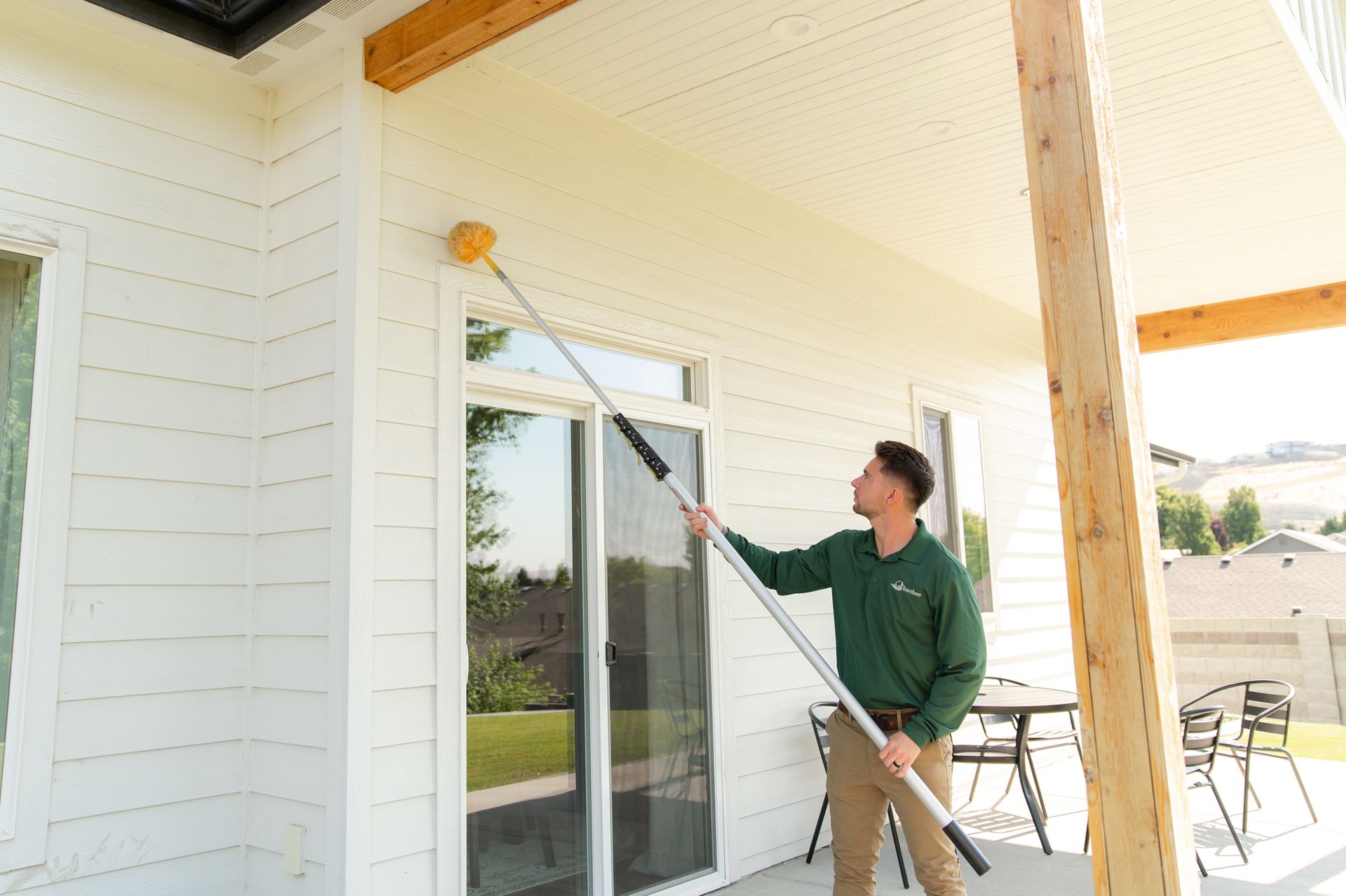
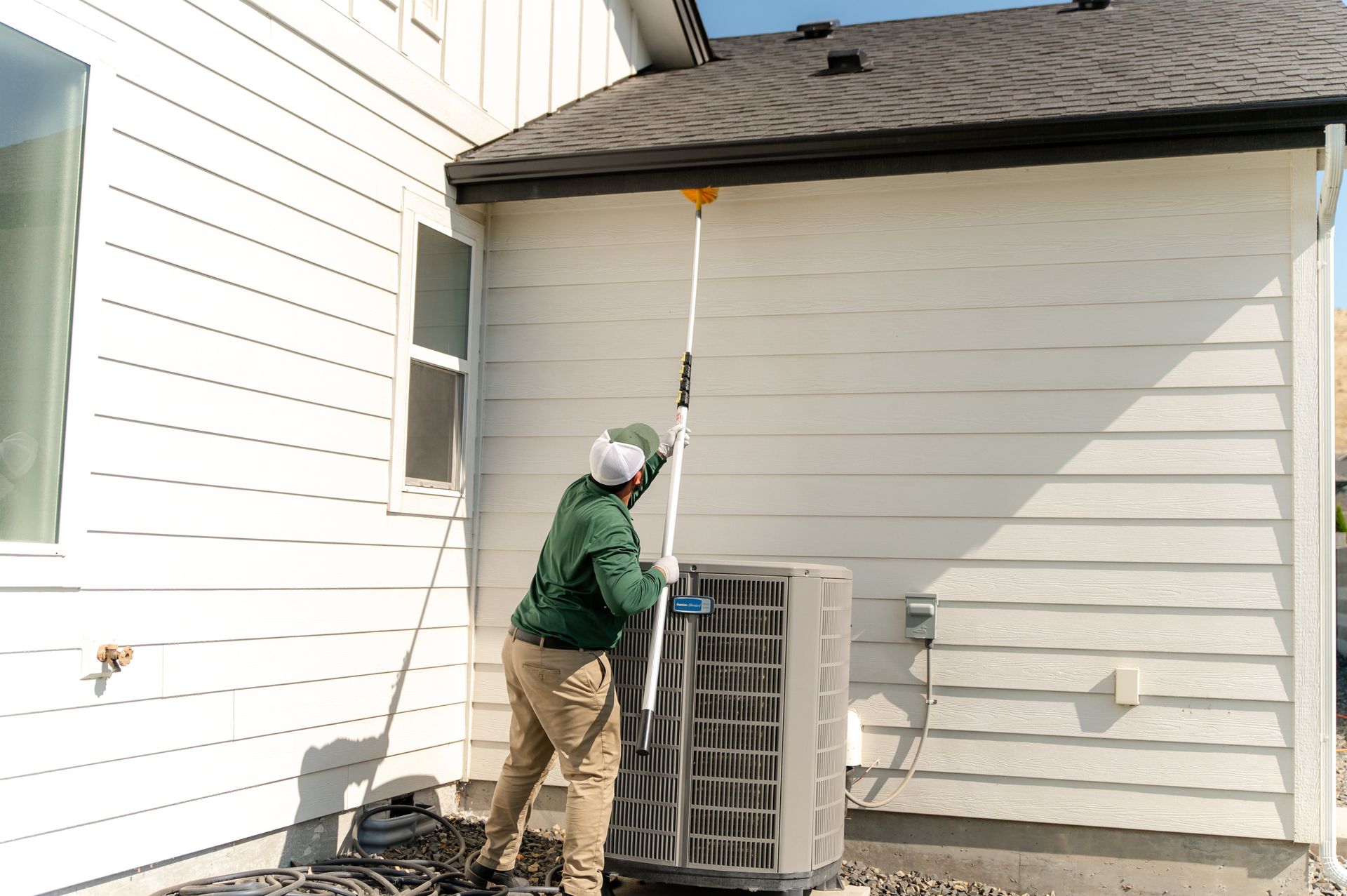
Garages and basements are influenced by conditions immediately outside the building. Leaves accumulate near doors, moisture remains beneath vegetation, and stored items can restrict access around exterior walls. These features may support insects that spiders eventually follow.
A seasonal review may include:
- Garage thresholds: Checking worn seals and door edges for openings that permit pest movement.
- Exterior storage: Evaluating woodpiles, containers, and equipment placed directly against the structure.
- Foundation landscaping: Reviewing damp mulch and dense vegetation that may shelter insects.
- Roof drainage: Identifying persistent water accumulation near low structural openings.
- Monitoring records: Comparing earlier spider sightings with current activity and seasonal changes.
Our article on yard debris and pests discusses how accumulated organic material can support insects and create protected spaces near buildings.
Seasonal prevention is not about removing every spider from the surrounding environment. It involves reducing attractive conditions near occupied areas and responding appropriately when recurring activity develops indoors.
Some spiders may remain in sheltered spaces through winter, while others become less active as temperatures change. A professional inspection can distinguish continuing indoor activity from an occasional wandering spider.
Follow-up also provides perspective. A decline in webs and sightings may indicate improvement, but renewed activity near another entrance can reveal a separate vulnerability.
Homeowners benefit most when spider control combines identification, attention to insect prey, inspection of access routes, and targeted treatment where needed.
Make Your Lower-Level Spaces More Comfortable
If spiders are appearing regularly in your basement or garage, contact Bamboo Pest Control for a professional inspection. Our team can identify contributing conditions, recommend appropriate spider control, and help reduce recurring activity.