
White and Yellow Dandelions: What’s The Difference?

July 15, 2020

If you are like most people, you’ve wondered what the difference is between white and yellow dandelions. Why do two different weeds have the same name? The truth is, white and yellow dandelions are the same type of weed, just at different stages of development. Both are distraction when you want a green lawn in Utah.

The Dandelion Life Cycle

Dandelions make their way through a distinct life cycle each year. The success of the previous year’s fertilization process increases the number of dandelions that are seen the following year. Dandelions transform in the following ways:

First Springtime Bloom

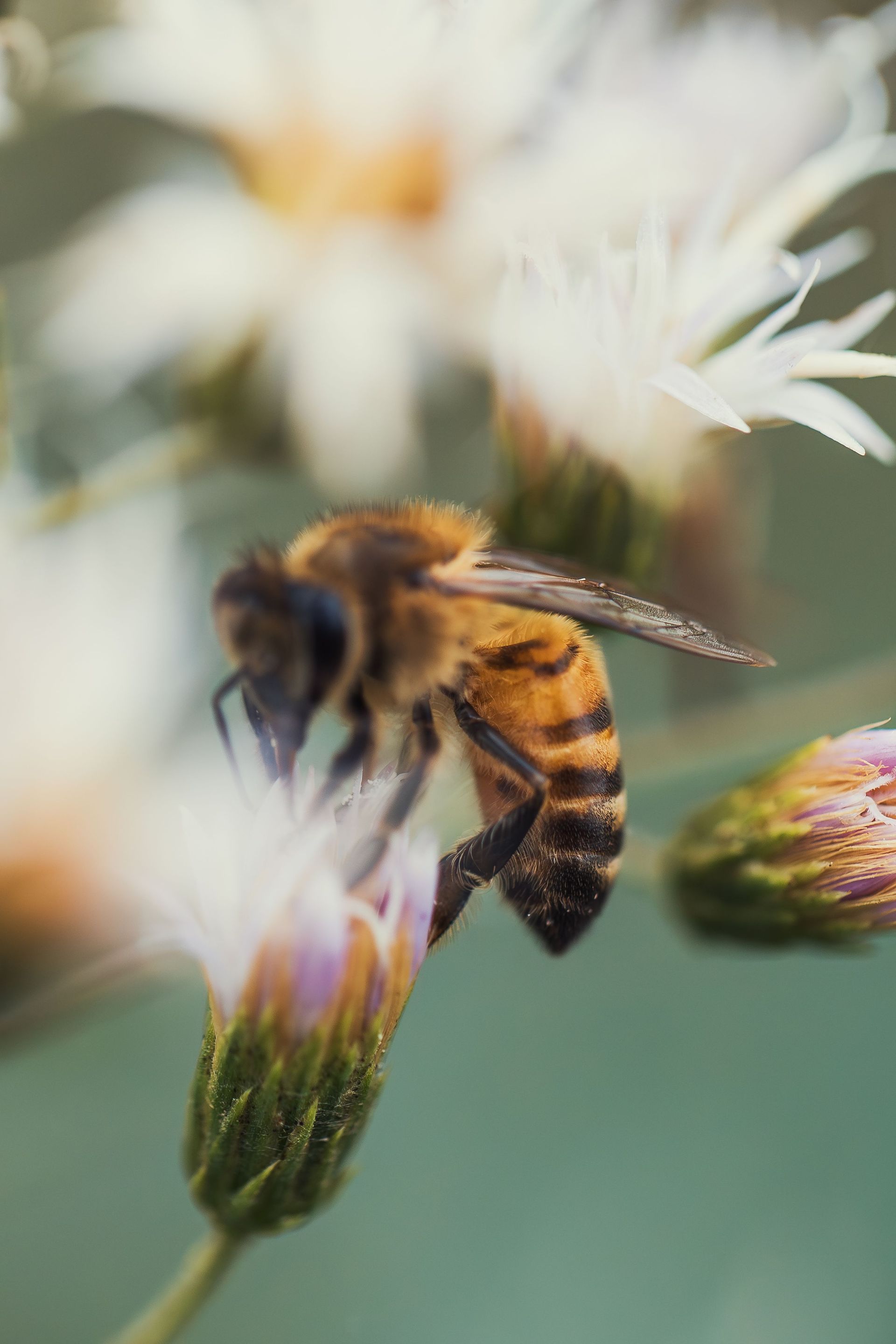
Dandelions are one of the very first flowers to emerge each spring. These yellow dandelion flowers can provide a crucial food source for beneficial insects such as honeybees, which in turn help to pollinate dandelions. However, dandelions can spread their seeds and pollinate on their own too without outside help.

From Petals to Seeds

Yellow dandelion petals eventually dry out and reveal a seed head. During this transition between being a white and yellow dandelion, the weed looks like a slender green tube on top of a thin stalk. It may have a small tuft of feathery white seeds sticking out. The tube eventually opens to reveal a round head of cotton-like seeds.

Seeds in the Wind

Most people have a common childhood memory of making a wish while blowing dandelion seeds. It only takes a small gust of wind to scatter dandelion seeds all over your lawn, your neighbor’s lawn, or even miles down the road. Since each head contains approximately 100 seeds, one yellow or white dandelion can turn into thousands of dandelions.

Taking Root

After scattered seeds settle into moist soil with plenty of access to sunshine, they germinate and take root. Dandelion roots look similar to long, skinny carrots buried deep underground. Since dandelions are perennials, their roots become longer and harder to remove with each passing year.

How To Get Rid of Dandelions

You can effectively  remove dandelions  in one of three ways. The most labor intensive option is to pull each dandelion up individually. However, if the entire root is not removed, the dandelion will just grow back. A high quality pre emergent fertilizer early in the spring is the most effective way to stop dandelion growth. If you are already seeing dandelions, a post emergent fertilizer is your best option for disturbing the dandelion growth cycle and increasing your chances of a green lawn that isn’t dotted with yellow or white dandelions.

Conclusion

Now that you know that white and yellow dandelions are the same weed, but at different stages of development, it’s time to do the hard work of keeping dandelions out of your lawn. For more information on how to have the best looking lawn on the block, contact Bamboo Servicing, a  top rated provider of green lawns  in Utah, at 385-429-2847.


Do Dandelions Repel or Attract Bugs

You might also enjoy:

Do Dandelions Repel or Attract Bugs?

Dandelions are a common sight in many yards and gardens, and while they may be a beloved flower to some, they are also often considered a pesky weed. But do dandelions have any effect on the bug population? In this article, we’ll explore whether dandelions repel or attract bugs and what role they may play in your garden’s ecosystem.


Like this content? Share it!

By Gary Gill May 15, 2026
Learn what to expect from an emergency pest control service, including inspections, treatment steps, response times, long-term control, and prevention.
By Ann Abad May 7, 2026
Learn how to prepare your home for professional pest control, with cleaning, access, and safety steps that help treatments work effectively and last longer.
By Gary Gill May 1, 2026
Outdoor gatherings are meant to be enjoyed, yet mosquito activity can quickly disrupt even the most carefully planned event. Whether it is a backyard celebration, a family gathering, or a seasonal occasion, timing plays a crucial role in maintaining comfort. This is where mosquito treatment becomes an important consideration.  Many homeowners wonder if treatments can be coordinated around specific dates without affecting effectiveness. The answer depends on understanding how mosquito behavior, treatment timing, and environmental conditions work together. When properly planned, treatments can align with events while still delivering reliable results. Mosquito control is not simply about reacting on the day of an event. It involves preparation that begins before guests arrive and continues afterward to maintain a consistent level of protection.
By Gary Gill April 24, 2026
Explore cost-effective, eco-friendly pest control methods that reduce impact while delivering results, and strategies that improve pest control efficiency.
By Gary Gill April 16, 2026
Spring is one of the most active seasons for ants. As temperatures rise and moisture levels increase, ant colonies begin to expand and search for reliable food sources. This shift often leads them directly into homes and structures, where they can quickly establish trails and nesting sites. From a professional perspective, ant prevention during spring is most effective when it is proactive rather than reactive. Waiting until ants become visible often means that colonies are already well established. A structured pest control approach focuses on early detection, targeted treatments, and long-term prevention strategies that address the root cause of activity.
By Gary Gill April 9, 2026
Pest activity does not stay consistent throughout the year. Changes in temperature, moisture, and food availability influence how pests behave, where they hide, and how quickly they multiply. What works in one season may not be enough in another, which is why prevention strategies should evolve rather than remain static.  From an expert perspective, effective pest management is not about reacting to visible problems. It is about anticipating shifts before they escalate. A well-timed pest inspection helps identify early patterns that often go unnoticed, allowing adjustments that keep infestations from gaining momentum.
By Gary Gill April 3, 2026
Mosquitoes can turn a comfortable yard into a space that feels difficult to enjoy. Their presence is not only disruptive, but also persistent. Once they find a suitable environment, they tend to return quickly. That is why mosquito control is less about a single fix and more about combining immediate action with ongoing prevention. For homeowners looking for fast results, the key is understanding how mosquitoes live, where they breed, and what conditions allow them to stay active. A targeted approach can significantly reduce activity in a short period of time, especially when the right areas are addressed first.
By Gary Gill March 27, 2026
Modern pest control is no longer defined by elimination alone. It has shifted toward balance. The goal is to manage pest activity while minimizing unintended effects on surrounding ecosystems, indoor environments, and long-term environmental health.  Eco-friendly pest solutions are designed with that balance in mind. They focus on targeted treatments, reduced chemical exposure, and strategies that align with natural processes rather than disrupt them. When applied correctly, these methods can address pest issues while supporting environmental stability.
By Gary Gill March 20, 2026
Seattle’s environment creates a unique set of conditions that allow pests to thrive throughout the year. Mild temperatures, consistent rainfall, and dense vegetation all contribute to increased pest activity across residential and commercial properties. What may seem like a seasonal concern often becomes an ongoing issue when left unaddressed.  A pest prevention plan is designed to manage these conditions before they lead to active infestations. Rather than reacting to visible problems, it focuses on early detection, consistent monitoring, and targeted intervention. This proactive approach plays a key role in maintaining a stable and protected property.
By Gary Gill March 12, 2026
Spring often brings warmer days, blooming landscapes, and renewed outdoor activity. It also marks a noticeable rise in ant sightings around homes and commercial properties. From kitchen counters to foundation lines, ants seem to reappear almost overnight. This seasonal surge is not random. It is driven by environmental changes and colony behavior that naturally intensify during this time of year. Understanding why ants become more active in spring is the first step toward preventing larger infestations. As pest management professionals, we see a clear pattern each year. Temperature shifts, moisture levels, and colony expansion all contribute to the increased need for proactive ant control.
Show More Blog Posts