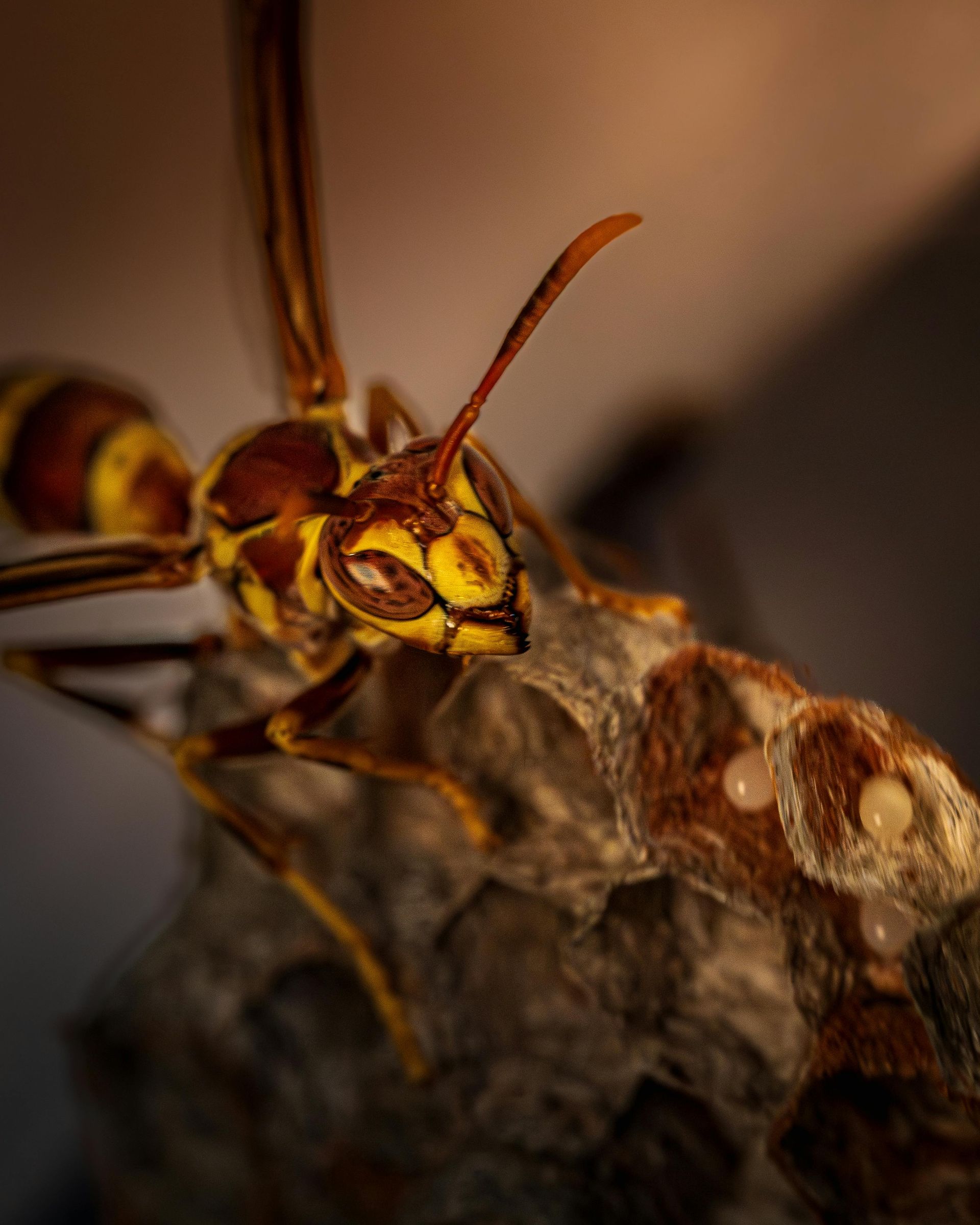
Nothing spoils the fun of a warm, sunny day like the presence of pests on your lawn. Pests are a nuisance, and if they are not biting on you, they are spreading ugly patches all over your yard. More often than not, common lawn pests in Utah will be visible with naked eyes. But most times, you will only observe significant damage to your lawn. For quick identification and eradication of these pests, it is necessary to know the characteristics and signs of their damages.
Grubs
Grubs are creamy white larvae of most scarab beetles like the Japanese beetles, June beetles, or the chafers. They are found just below the soil surface and damage grass by feeding on its’ roots.
They are active in springtime and summer, and dry brown patches of grass can be seen where they devour. The presence of adult beetles that lay eggs in the soil is a sign of grub infested grass. Other grub feeding animals like the moles can also be spotted making mounds in search of food.
To efficiently bring the grubs to the surface for confirmation of infestation, consider using dishwashing detergent. Mix with water and pour on the patchy grasses. If there are grubs in the soil, you will spot a few trying to escape the effects of the detergent.
You can eradicate grubs by applying granule solution to the lawn. Note that some granular pest control solutions require a wash down for quick transfers to the soil.
Chinch Bugs
Chinch bugs are another type of common lawn pests in Utah. They thrive in hot, sunny areas and it is easy to mistake their damage with drought effects. They destroy grass by sucking moisture from individual blades then injecting a poison that eventually kills the grass.
Chinch bugs are tiny black insects with shiny white wings. They enjoy staying in thick lawns where adults can feed and lay eggs. The best way to keep clinch bugs away is to aerate, dethatch, and fertilize your lawn. In case of extensive pest infestation, treat your yard with granular chemicals.
Mole Crickets
Brown patches on your lawn can indicate the presence of mole crickets. Mole crickets
burrow through the soil to feed on insects and decaying plants. They also feed on grassroots causing the withering and dying of the plants.
A sponge-like feeling when you walk on the lawn is an indication of mole cricket infestation. To prevent mole cricket infestations, avoid over-watering the yard. Moist gardens make it easy for them to dig through and damage the grass. For extensive infestation, use granular insecticides to eradicate the pests.
Army Worms and Cutworms
The worms feed on grass blades and stems leaving dead spots on the lawn. They stay hidden from the sun during the day and mostly feed in the early morning, evening, and nighttime.
You can use the detergent test method to spot the worms in your yard. If the infestation is massive and most parts of your lawn are covered in brown spots, consider employing a professional exterminator for treatment.
Moles and Voles
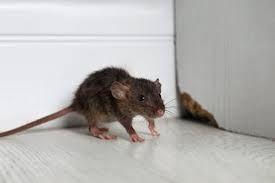
They dig tunnels in the yard in search of plants, insects, worms, and grubs for food. The moles will dig underground tunnels leaving mounds and raised ridges in the lawn. Voles create paths that move across the lawn destroying grass along its way.
Moles are a sign of other bugs in the soils. Getting rid of other pests will eliminate these rodents. Organic products like the castor oil and garlic act as excellent repellents and will keep the pests away from your lawn and building.
To maintain a healthy lawn and reduce the amount of common lawn pests in Utah, it is vital that you follow proper lawn care procedures. The best practices are to regularly water, aerate, dethatch, mow, and fertilize your lawn. You can also consult the pest control and lawn care experts at Bamboo Servicing
for a year-round pest management system.