Do Dandelions Repel or Attract Bugs?

January 4, 2023

Dandelions are a common sight in many yards and gardens, and while they may be a beloved flower to some, they are also often considered a pesky weed. But do dandelions have any effect on the bug population? In this article, we’ll explore whether dandelions repel or attract bugs and what role they may play in your garden’s ecosystem.


If you need help from a professional pest control company, reach out to Bamboo and see why we're the most recommended company in the area.

Do Dandelions Repel or Attract Bugs?

Dandelions can attract a variety of insects, including bees, butterflies, and beetles, which are attracted to the bright yellow flowers and the sweet, nectar-like substance they produce. Many of these insects are beneficial to gardens and landscapes, and help to support a diverse ecosystem.

Dandelions May Attract Some Types of Pests

However, dandelions may also attract some types of pests, such as aphids, which feed on the leaves and stems of the plant. In general, dandelions are not considered to have any special ability to repel or attract insects, and their presence in a garden or landscape may have both positive and negative effects on the overall insect population.


Do Dandelions Repel or Attract Bugs
What Bugs Do Dandelions Attract

What Bugs Do Dandelions Attract?

Dandelions are a source of food and nectar for many types of insects, including bees, butterflies, and beetles. Bees and other pollinators are attracted to the bright yellow flowers of the dandelion, which produce a sweet, nectar-like substance. Many species of butterflies and other insects are also attracted to the nectar produced by dandelions, and will visit the flowers to feed.

Dandelions Provide a Source of Food for Some Types of Beetles and Other Insects

Additionally, dandelions provide a source of food for some types of beetles and other insects, which feed on the leaves and stems of the plant. In general, dandelions are considered to be beneficial plants in gardens and landscapes because of the role they play in supporting a diverse ecosystem of insects.


Do Dandelions Repel Bugs?

There is no scientific evidence to suggest that dandelions have any kind of bug-repellent properties. In fact, many insects, including bees, butterflies, and beetles, are attracted to dandelions and use them as a source of food.

Presence of Dandelions May Help to Deter Some Types of Pests

However, it is possible that the presence of dandelions in a garden or landscape may help to deter some types of pests, since they may be less attracted to areas where dandelions are growing.

Do Dandelions Repel Bugs

Here are some other articles we think you may like:


Is Your Lawn Breeding Mosquitoes?

Catching Fireflies in Summertime

The Damage Pests Can Cause

Do Dandelions Keep Mosquitos Away

Do Dandelions Keep Mosquitos Away?

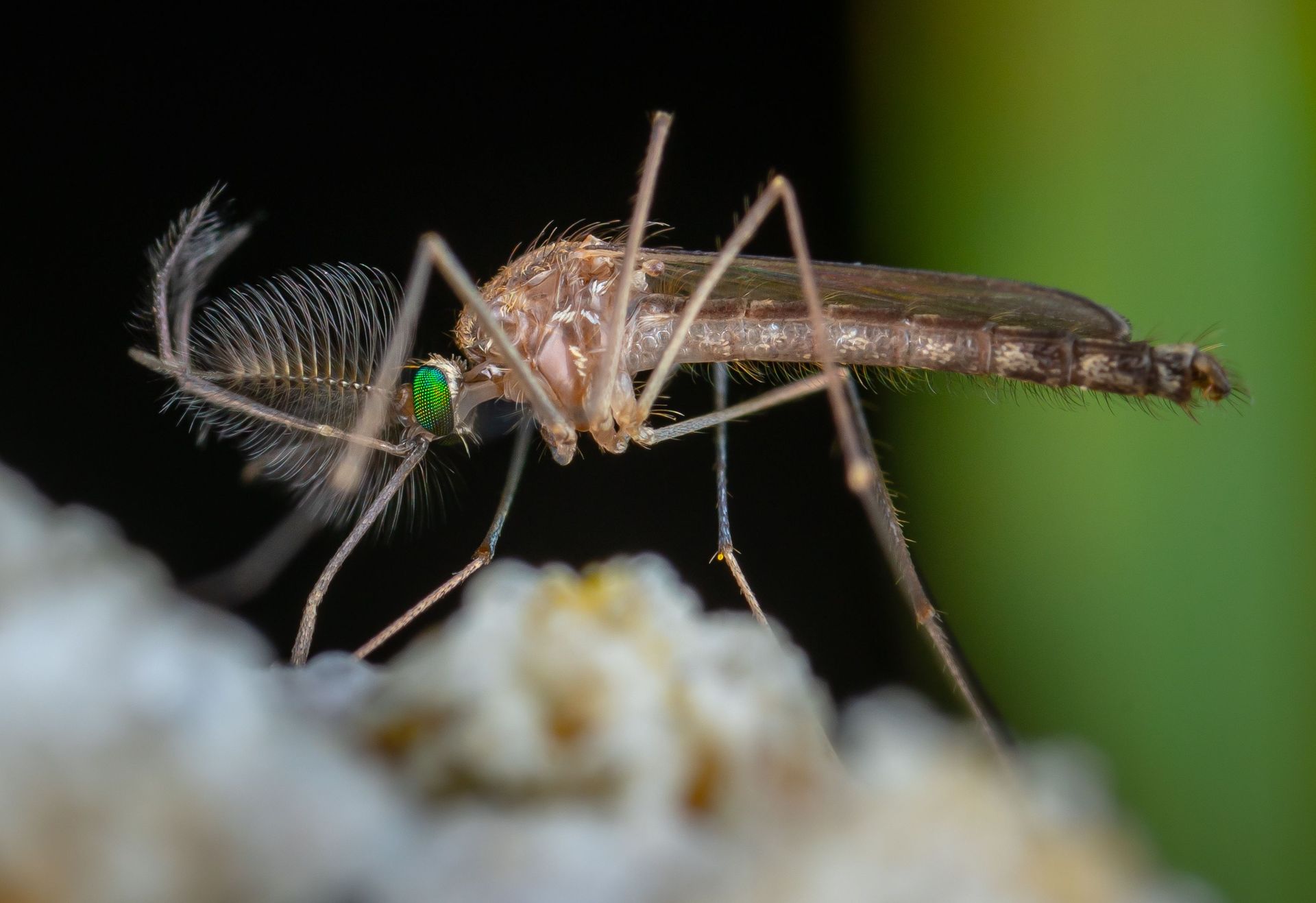
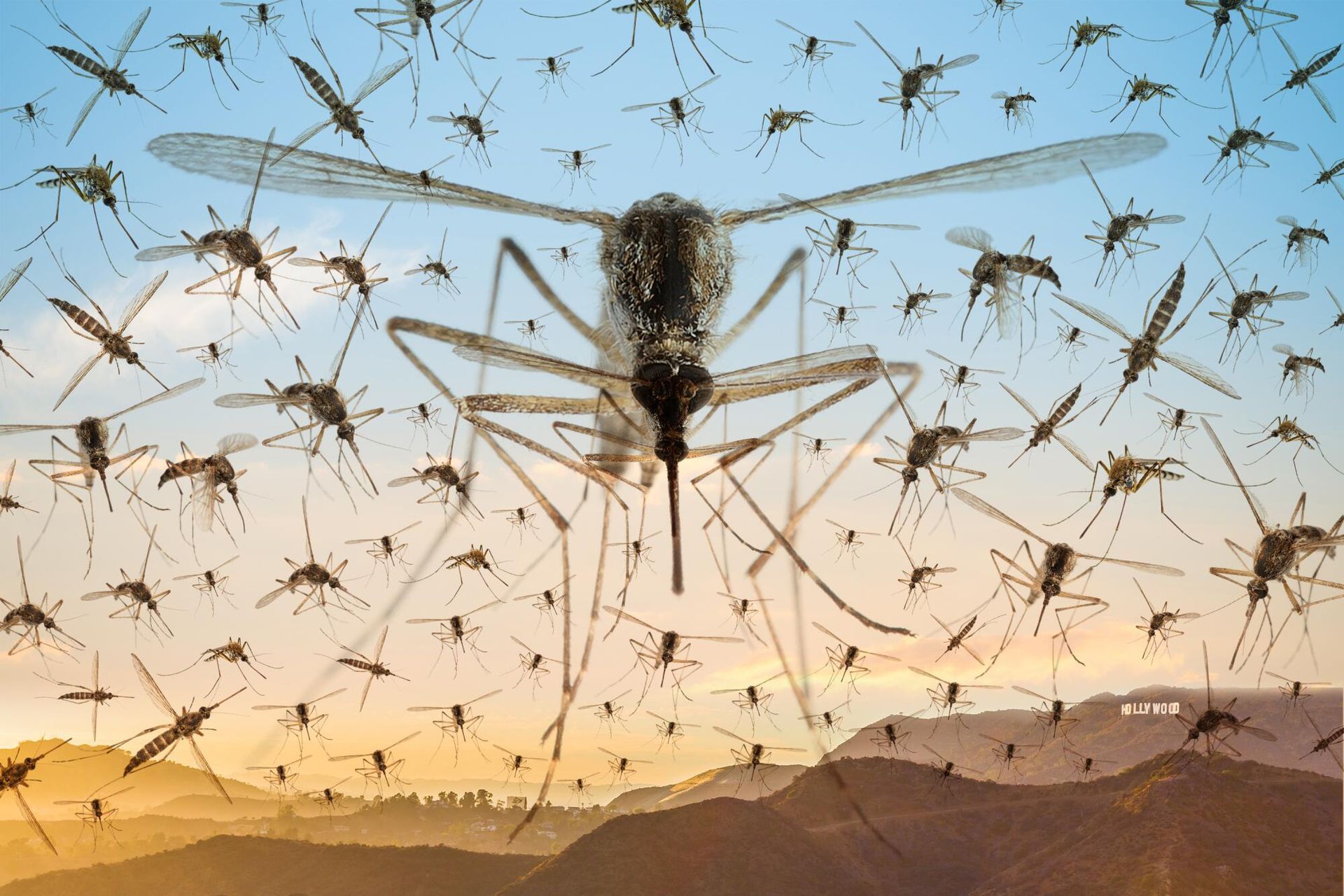
There is no scientific evidence to suggest that dandelions have any kind of mosquito-repellent properties. Mosquitoes are attracted to a variety of factors, including the presence of carbon dioxide, lactic acid, and heat, as well as the presence of certain chemicals in the skin, such as uric acid and cholesterol.

Other Ways to Keep Mosquitoes Away

While the presence of dandelions in a garden or landscape may help to deter some types of pests, it is unlikely to have any effect on mosquitoes. If you are looking for ways to keep mosquitoes away, there are many effective methods, including using mosquito repellent, wearing protective clothing, and eliminating standing water where mosquitoes can breed.


Do Dandelions Attract Wasps?

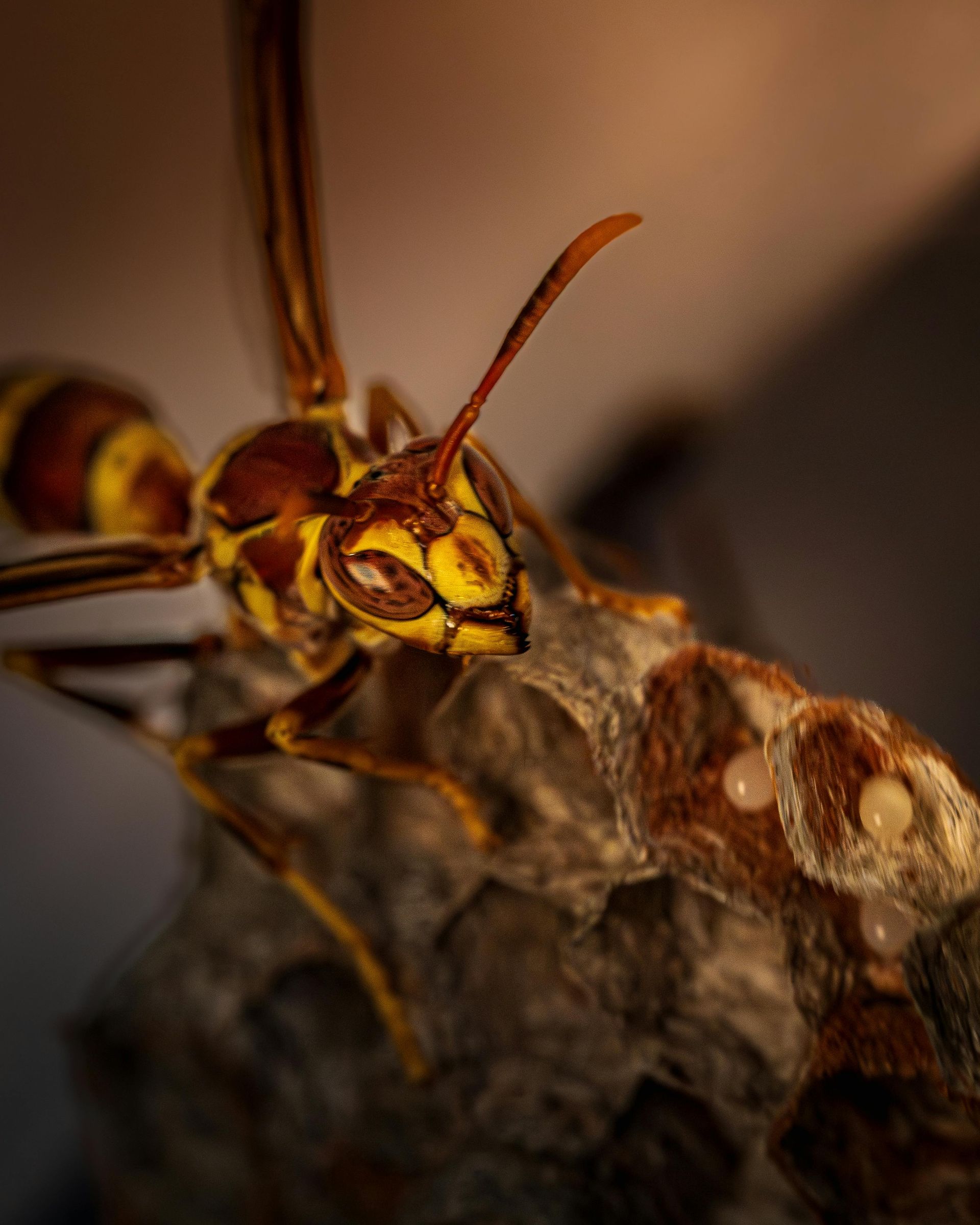
Yes, dandelions can attract wasps. Wasps are attracted to the sweet nectar produced by dandelion flowers, and will visit the flowers to feed. Dandelions are also a source of food for some types of wasps, which feed on the leaves and stems of the plant.

Things You Can Do to Deter Wasps

In general, dandelions are considered to be beneficial plants in gardens and landscapes because of the role they play in supporting a diverse ecosystem of insects. However, if you are concerned about wasps in your garden, there are a few things you can do to deter them, such as removing standing water where they can breed, keeping food and drinks covered when outside, and wearing protective clothing when working in the garden.


Do Dandelions Attract Wasps
Do Dandelions Attract Ants

Do Dandelions Attract Ants?

Yes, dandelions can attract ants. Ants are attracted to the sweet nectar produced by dandelion flowers, and will visit the flowers to feed. Dandelions are also a source of food for some types of ants, which feed on the leaves and stems of the plant.

Things You Can Do to Deter Ants

In general, dandelions are considered to be beneficial plants in gardens and landscapes because of the role they play in supporting a diverse ecosystem of insects. However, if you are concerned about ants in your garden, there are a few things you can do to deter them, such as removing standing water where they can breed, keeping food and drinks covered when outside, and using ant baits or traps.


Do Dandelions Attract Bees?

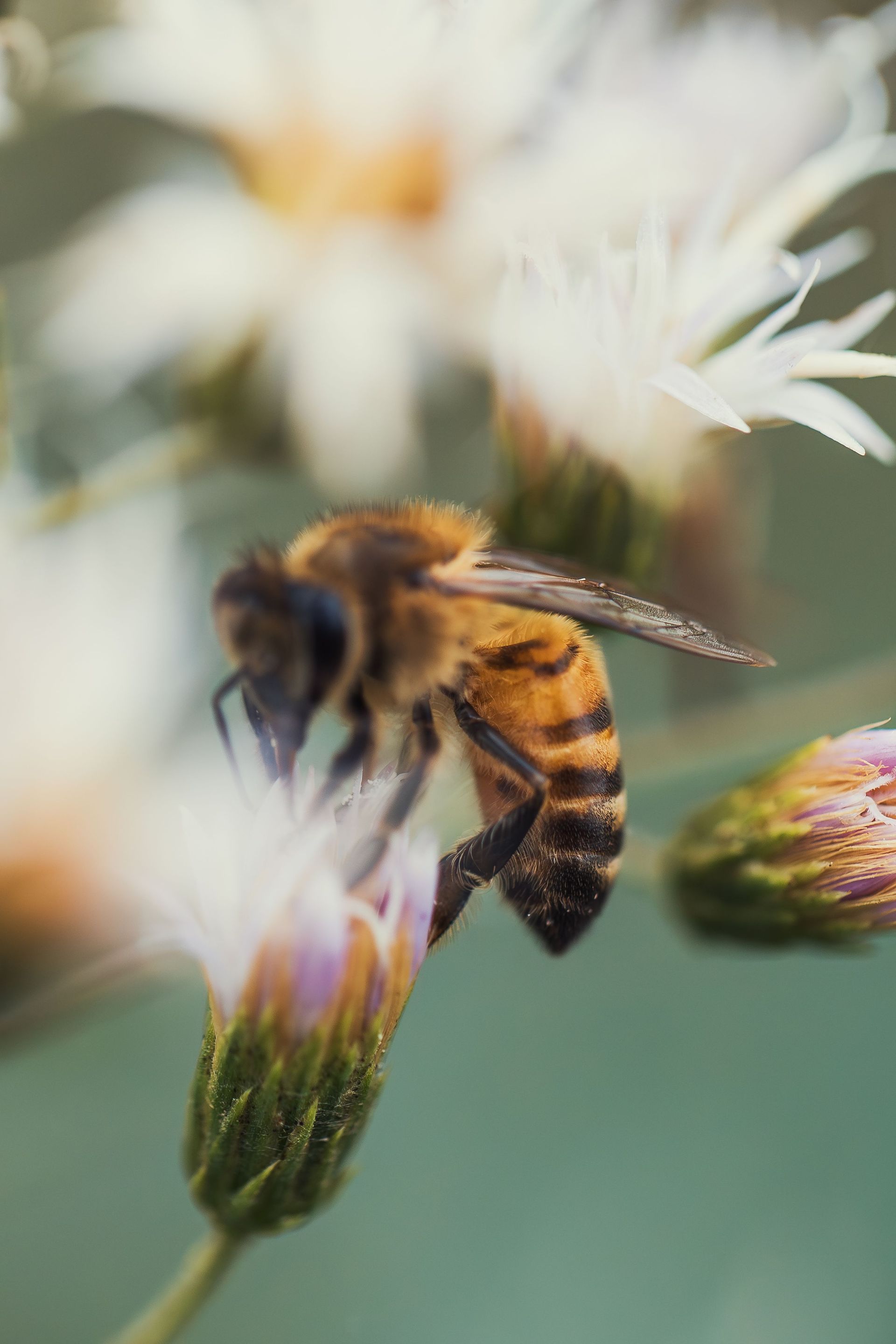
Yes, dandelions can attract bees. Dandelions are a source of nectar and pollen for many types of bees, including honey bees, bumblebees, and solitary bees. The bright yellow flowers of dandelions are a signal to bees that there is food available, and bees are attracted to the sweet nectar and nutritious pollen found in the flowers.


Dandelions Can be Especially Useful for Bees

Dandelions can be especially useful for bees early in the spring when other flowering plants may not yet be in bloom. In this way, dandelions can be considered a beneficial plant for supporting bee populations.


Do Dandelions Attract Bees
Do Dandelions Attract Spiders

Do Dandelions Attract Spiders?

It is possible that dandelions may attract spiders, since many insects, including those that spiders prey on, are attracted to dandelions. However, there is no scientific evidence to suggest that dandelions have any special ability to attract spiders.

Spiders are Attracted to Areas where there is an Abundance of Prey

In general, spiders are attracted to areas where there is an abundance of their preferred prey, such as insects, and may be more likely to be found in areas where there are many insects present. If you are concerned about spiders in your garden, there are a few things you can do to deter them, such as removing standing water where they can breed, keeping the area around your home free of clutter, and sealing any cracks or openings where they might enter.


Overall, it seems that dandelions can attract some types of bugs.

Overall, it seems that dandelions can attract some types of bugs while also repelling others. In the end, whether dandelions are a benefit or a hindrance to your garden will depend on your perspective and the specific types of bugs that are present in your area. Some people may appreciate the pollinators that dandelions attract, while others may prefer to keep these plants at bay to reduce the number of less desirable bugs. Ultimately, it’s up to you to decide if dandelions have a place in your garden.


See our local pest control service area also and feel free to contact us for a quote.

Like this content? Share it!

By Gary Gill February 12, 2026
How Spring Rains Disrupt Ant Colonies Ants rely on underground networks that are highly sensitive to moisture levels. Prolonged or heavy spring rains can flood nesting sites, collapse tunnels, and displace workers and queens. When that happens, colonies are forced to relocate or expand their foraging range. Key effects of spring rainfall on ant behavior include: Flooded nests that push ants to seek higher, drier ground. Soil saturation that makes it easier for ants to tunnel toward foundations. Increased humidity that supports faster colony growth. Disrupted food sources outdoors that send ants searching indoors. These shifts explain why ants often appear in kitchens, bathrooms, and basements shortly after consistent rain. Homes offer stable temperatures, dry shelter, and reliable access to food and water. Without addressing the source of the pressure, ant control becomes an ongoing challenge throughout the season. Why Homes Become Prime Targets After Rain Residential structures unintentionally provide everything ants need once outdoor conditions become unstable. Small gaps, moisture sources, and food residue create ideal conditions for exploration and trail formation. Professionals often observe the following risk factors: Foundation cracks and expansion joints that allow easy entry. Plumbing penetrations and utility lines that act as ant highways. Moisture buildup indoors from leaks, condensation, or poor ventilation. Accessible food sources such as crumbs, pet bowls, and trash areas. Once a few ants locate a suitable environment, chemical trails quickly attract more workers. This is why infestations seem to escalate overnight. Effective ant control depends on interrupting this process, not just reacting to visible ants. The Types of Ants Most Active in Spring Not all ants behave the same way. Spring conditions activate several species at once, each with different nesting habits and risks. Correct identification matters because treatment strategies vary based on species behavior. Common spring active ants include: Odorous house ants that form long indoor trails toward food and moisture. Pavement ants that nest under slabs and migrate indoors during rain. Carpenter ants that exploit damp or damaged wood. Moisture ants that thrive in high-humidity areas. A closer look at regional species, including those frequently found in residential areas, is outlined in common ant species . Understanding which ants are present helps explain why some infestations persist despite repeated cleaning or surface treatments. Why Seasonal Ant Problems Rarely Resolve on Their Own Many homeowners assume ant activity will subside once the weather stabilizes. In reality, spring rain often sets the stage for long-term issues. Colonies that successfully establish indoor foraging routes may remain active well into summer. Several factors contribute to ongoing infestations: Satellite nesting where colonies split and spread into walls or voids. Reinforced scent trails that remain active even after rain stops. Unaddressed exterior conditions that continue to support colonies. Lack of monitoring that allows populations to rebuild unnoticed. Ant control is most effective when it accounts for these long-term behaviors. Simply waiting out the season often results in recurring activity and expanding infestations that become harder to manage over time. Why Professional Ant Control Is Built Around Timing and Strategy Spring is not just a busy season for ants. It is a critical window for control. Professionals focus on timing, inspection, and targeted strategies that interrupt colony growth rather than chasing individual ants. From an expert standpoint, effective ant control includes: Identifying nesting zones both indoors and outdoors. Targeting colonies at their source instead of relying on surface treatments. Addressing moisture and access points that attract ants after rainfall. Monitoring activity patterns to adjust treatments as conditions change. Residential environments require a measured approach that balances effectiveness and safety. Guidance from experienced professionals helps ensure that treatments remain precise, efficient, and aligned with the realities of seasonal pest pressure. A broader view of how residential pest management works across different regions can be found in residential pest experts , which highlights the importance of structured planning rather than reactive responses. Spring rains may trigger ant activity, but lasting solutions depend on understanding why ants move, where they settle, and how colonies adapt. When these factors are addressed together, control efforts become more predictable and sustainable. A Smarter Way To Stay Ahead Of Ant Season Spring ant activity is rarely random. It follows patterns shaped by moisture, shelter, and opportunity. For homeowners looking to stay ahead of seasonal infestations, professional insight makes a meaningful difference. Contact Bamboo Pest Control to explore ant control solutions designed around timing, precision, and long-term protection.
By Gary Gill February 6, 2026
Signs of Active and Past Pest Activity One of the primary objectives of a pest inspection is to identify evidence that indicates current or previous pest presence. These signs are not always obvious and often appear in subtle forms that require trained observation. Physical evidence such as droppings, shed wings, gnaw marks, or insect trails, that signal active or recent activity Structural indicators, including damaged wood, hollow-sounding areas, or surface staining caused by pests or moisture Nest or harboring materials found in wall voids, attics, crawl spaces, or storage areas Odors or residue that suggest long-term pest presence, especially in enclosed or poorly ventilated areas Professionals distinguish between old, inactive signs and indicators of ongoing activity. This distinction matters because it affects the urgency, scope, and type of response required. For example, ant activity patterns vary significantly by species, behavior, and season. Understanding these differences allows inspections to focus on likely nesting zones rather than surface-level sightings alone, as discussed in this overview of common local ants . Structural Features and Entry Points Under Review Beyond visible pest evidence, pest inspections place strong emphasis on how pests may be entering or moving through a structure. Many infestations begin outside and progress indoors through small, overlooked access points. Cracks, gaps, and expansion joints around foundations, siding, and utility penetrations Doors and windows with damaged seals, worn thresholds, or misalignment Rooflines and vents that allow access to attics or upper wall cavities Plumbing and electrical entry points that connect exterior environments to interior spaces Inspectors evaluate these features in relation to pest behavior. Rodents, insects, and spiders exploit different types of openings, and even small gaps can provide sufficient access. A professional pest inspection considers how entry points align with travel paths, moisture sources, and nesting areas, rather than treating each opening in isolation. Environmental Conditions That Attract Pests Environmental factors often play a decisive role in pest activity. Pest inspections assess the conditions surrounding a structure that may support or encourage infestations over time. Moisture sources such as poor drainage, leaking fixtures, or condensation, support insect survival Vegetation and landscaping that create shaded, damp zones close to structures Debris and storage practices that provide shelter and nesting opportunities Soil contact and grading issues that allow pests direct access to structural materials These conditions may not cause immediate problems but can steadily increase risk if left unaddressed. Professional inspections evaluate how environmental factors interact with the structure itself. This approach helps explain why certain properties experience recurring pest issues while others do not, even within the same neighborhood. Species Identification and Behavior Assessment Correctly identifying pest species is a critical part of any pest inspection. Different pests require different management strategies, and misidentification can lead to ineffective outcomes. Professionals rely on physical characteristics, activity patterns, and environmental clues to determine species and behavior. Species identification also involves understanding life cycles, nesting preferences, and seasonal movement. For example, some insects are more visible during specific times of year, while others remain hidden until conditions shift. Inspectors assess whether activity is localized or widespread and whether populations are likely to expand without intervention. This level of analysis is especially important in residential environments where multiple pest pressures may exist at the same time. Professional assessments help clarify which issues pose immediate risk and which require monitoring. Broader considerations about service planning and long-term protection are discussed in this resource on professional pest services , which highlights the value of structured expertise in residential settings. Documentation, Risk Evaluation, and Professional Judgment The final phase of a pest inspection involves documentation and interpretation. Findings are recorded to establish a clear picture of current conditions, risk factors, and potential progression. This documentation supports informed decision-making rather than reactive responses. Professional judgment plays a key role at this stage. Inspectors weigh the severity of findings, the likelihood of future activity, and the interaction between environmental and structural factors. Recommendations are based on evidence, patterns, and experience rather than assumptions. This approach helps prioritize actions and avoid unnecessary or ineffective measures. A thorough pest inspection is not a one-size-fits-all checklist. It is a tailored evaluation shaped by property type, location, construction, and surrounding conditions. Professional insight ensures that conclusions are grounded in practical understanding rather than surface observations. A Clearer Path to Confident Decisions For those seeking clarity and accuracy from a professional pest inspection, experienced guidance makes a meaningful difference. Contact Bamboo Pest Control to schedule an inspection grounded in careful evaluation and informed expertise.
By Ryan Hill April 16, 2025
Here Are The Most Common Ants You'll Encounter in Kirkland, WA
By Support Team November 8, 2022
This article covers everything you should know when choosing a pest control company in Fort Wayne, Indiana (near me) to protect your home and business against unwanted pests. Frequently Asked Questions – People in Fort Wayne, IN Also Ask Below are the most commonly asked questions by home & business owners in Fort Wayne and
By augustrmarketing April 21, 2022
The post Only A Few Spots Left appeared first on Bamboo Pest Control.
By augustrmarketing April 10, 2022
A construction site near you will likely affect your pest control needs. This is because construction sights disrupt the existing homes for most pests. In search of new surroundings for food and shelter, they can find their way into your home. Eradicating pests before the start of construction or creating a barrier around your home
By augustrmarketing April 10, 2022
Knowing the type of rodent you are dealing with is the first step to safe eradication. Voles and mice have an almost similar appearance, but a closer look at their features will reveal a difference in their look. They also have different behavior and habitat preferences making them differ in their adaptation to different environments.
By Jason Valasek November 18, 2021
Nothing spoils the fun of a warm, sunny day like the presence of pests on your lawn. Pests are a nuisance, and if they are not biting on you, they are spreading ugly patches all over your yard. More often than not, common lawn pests in Utah will be visible with naked eyes. But most
By Jason Valasek October 1, 2021
Ants can be annoying, especially when they get in your house. Since they live in colonies, they will enter your house in large numbers in search of food and shelter. However, ant control methods are possible once you have a basic understanding of ant behavior. Ants use pheromone trails to mark their routes. The paths
By Jason Valasek August 26, 2021
Enjoy this fun way Tyler was using a pallet lift recently. As a local Indiana company, we love to enjoy the beautiful weather. If you’re looking to take care of your lawn so you and your family can more readily enjoy the outdoors, please give us a call or visit our site for a free […] The post Fun With Pallet Lifting appeared first on Bamboo Pest Control.
Show More Blog Posts